Guide To Hiring The Right Excavator Size For Your Project

Key Takeaways

  • Excavator sizes are usually classified by operating weight, from micro and mini excavators through midi excavators, standard excavators, and large excavators.
  • Size affects dig depth, bucket capacity, reach, access, hire price, transport, fuel costs, and whether the machine can be operated safely on the job site.
  • Choosing the wrong size excavator can add days to a construction project and significantly increase fuel consumption, haulage costs, and idle time.
  • Compact excavators and cat mini excavators suit tight spaces and residential construction, while crawler excavators and larger excavators are better for bulk earthmoving, commercial projects, and infrastructure.
  • This guide helps you hire according to project needs; for more details, see our full range of excavators and compare specs and sizes for common excavators.

Introduction: Why Excavator Size Matters On Every Job

On a busy work site, the wrong excavator is not just inconvenient. A machine that is too small can leave operators digging for days longer than planned. A machine that is too large can damage finished surfaces, struggle to easily manoeuvre around buildings, or require transport arrangements that delay the start of the excavation project.

Excavator size usually means three things: operating weight in tonnes, practical dig depth, and the excavator bucket size or bucket capacity. Those figures influence how much weight the machine can handle, how far it can reach, and how efficiently it can move excavated materials.

In simple terms, compact excavators are suited to driveways, landscaping projects, and small spaces. Mid-size excavators and medium excavators are versatile workhorses for foundations, utilities, and general construction. Large excavators, including long-reach excavators, are built to dig deeper, lift heavy materials, and tackle tough jobs in quarrying, demolition, and bulk cut-and-fill.

The aim is not to hire the biggest cat excavator available. It is necessary to choose the right excavator for the specific construction site, access limits, ground conditions, and programme. Choosing the correct size for a construction project will maximise efficiency and save costs.

This guide is intended for contractors, site managers, and anyone planning construction or landscaping projects who needs to select the right excavator size for their needs.
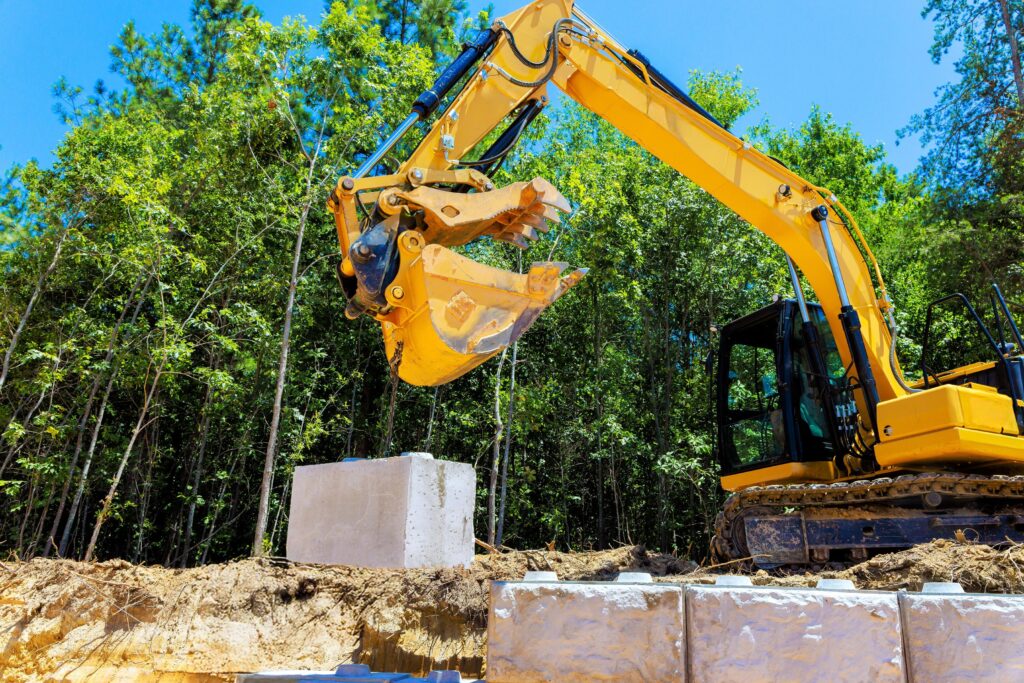
Excavator Size Classes Explained

Excavators are typically categorised by their operating weight, which can range from mini excavators weighing less than 7 metric tons to large excavators exceeding 45 metric tons. This matters because operating weight affects stability, transport, ground pressure, and maximum digging depth.

Here is a practical breakdown of different excavator sizes used across UK and European job sites:

  • Micro excavators: up to around 1 tonne. These are the smallest machines, often used for garden access, internal works, and very tight spaces. Typical dig depth is around 1.4–2.3m, with small buckets of roughly 0.02–0.05m³.
  • Mini/compact excavators: around 1–6 tonnes. Mini excavators, also known as compact excavators, are designed for tight job sites and typically weigh less than 7 metric tons, making them ideal for small landscaping jobs and projects requiring precision. Mini excavators typically have an operating weight ranging from 2,000 to 22,000 pounds, or 1 to 11 tons, with classifications of small, medium, and large based on weight. Typical bucket capacity ranges from about 0.05–0.3m³.
  • Midi excavators: around 6–10 tonnes. These are useful where small excavators lack reach or hydraulic power. Typical maximum dig depth is around 4.5–5.5m, and bucket sizes may sit around 0.3–0.8m³.
  • Standard excavators: around 10–30 tonnes in many hire fleets. Standard excavators generally weigh between 7 and 45 metric tons and are the most common size for commercial construction projects, offering a balance of power and manoeuvrability. Standard excavators, also known as crawler excavators, are designed for heavy-duty construction, mining, farming, and landscaping, featuring a boom, stick, and bucket arm attachment that allows for 360-degree rotation and excellent stability on rugged terrain.
  • Large excavators: 30 tonnes and above, often 45 tonnes plus on major works. Large excavators, which can weigh more than 45 metric tons, are best suited for heavy-duty work such as commercial construction and demolition, providing significant digging and lifting capabilities. They suit heavy-duty projects, heavy-duty jobs, quarries, deep basements, and major infrastructure.

Wheeled excavators operate on wheels instead of tracks, making them suitable for urban construction and roadwork, as they can be driven from one job site to another without needing a trailer. A backhoe loader sits slightly outside the excavator size spectrum: backhoe excavators, often confused with standard excavators, feature a boom at the back and a bucket at the front, allowing them to perform versatile tasks such as digging, loading, and levelling.

You may also see specialist types. Long-reach excavators are designed with extended arms and booms, allowing them to reach areas that are difficult to access, making them ideal for demolition and excavation tasks in tight spaces. Dragline excavators are heavy-duty machines used for large applications such as harbour construction and strip mining, utilising a bucket system that drags along the surface with chains and wire rope.

Well-known examples include cat mini excavators, John Deere compact and mid-size machines, Case excavators, and other heavy equipment brands. The brand matters less than whether the right machine matches the task.

Matching Excavator Size To Your Project Type

The fastest way to shortlist an excavator is to start with the type of construction project, then check access, reach, and ground conditions.

  • Gardens, patios, driveways, and small landscaping projects: A micro excavator, mini digger, or 1.5–3t compact excavator is often enough. These smaller machines have rubber tracks, compact radius designs, and zero tail swing or near-zero tail swing options for small spaces.
  • Residential construction and house extensions: A three-house extension project may need a 3–5t compact excavator with 3m+ dig depth for services and foundations. For deeper foundations, reduced levels, or firm clay, an 8t midi machine may offer better control and more power.
  • Utilities, drainage, and digging trenches: A 3–8t machine often works well for domestic services. For deeper sewers, large ducts, or trench boxes, medium excavators are the most widely used machines in the construction industry, balancing power, digging depth, and transportability.
  • Commercial construction and basements: Standard crawler excavators in the 14–30t range are common because they combine reach, heavy lifting capacity, and stability. A very deep 20m basement or attenuation tank becomes a specialist temporary-works problem, often requiring larger excavators, staged excavation, long reach excavators, shoring, and engineering input rather than a simple hire choice.
  • Road, rural, and scattered utility jobs: A backhoe loader or wheeled excavators may be more practical than crawler excavators because travel speed between work zones can increase efficiency.
  • Demolition and site clearance: Large excavators provide the power, height, and attachment capacity for breakers, grabs, and shears. In confined demolition, however, smaller machines with compact radius tails may be safer.

The trade-off is simple: small excavators can reduce disruption and improve fuel economy, but they may take longer. Larger excavators move more material per hour, but they need haul roads, laydown space, delivery access, and sometimes permits.

Key Specs That Determine Excavator Size

When comparing equipment, focus on the specifications that affect real output, not just model names.

  • Operating weight: This is the in-work weight of the excavator, usually including fluids, standard bucket, fuel, and operator. It affects transport, stability, ground pressure, and maximum operating weight limits on slabs, gardens, or made ground.
  • Maximum dig depth: Excavator dig depth is a crucial factor when selecting the appropriate size, as different projects may require varying depths for effective excavation. The maximum dig depth for mini excavators can vary significantly, with some models capable of digging depths exceeding 15 feet, making them suitable for various tasks such as foundation work and trenching. Always allow for working room, trench width, battering, shoring, and spoil placement.
  • Reach: The maximum reach of an excavator is another important consideration, as it will determine how far the machine can extend to complete tasks effectively. “Max reach at ground level” is especially useful when loading lorries or working across obstacles.
  • Bucket capacity: Bucket capacity affects cycle times. A larger bucket can move more material, but oversizing the bucket on a smaller machine can reduce breakout force, strain hydraulic power, and compromise stability.
  • Width, height, and tail swing: Overall dimensions decide whether the machine can pass through gateways, under scaffolding, or beside existing structures. Tail swing radius is critical near live traffic, walls, and underground services.
  • Attachments: Breakers, augers, grabs, and tilt buckets all need compatible hydraulic flow and machine weight. The right digger must be matched to attachments as well as the digging depth.

Keep a simple quote checklist: required depth, trench width, access width, ground type, attachment needs, programme, and spoil strategy. You can also review specs and sizes for common excavators before comparing hire options.

How To Assess Your Site: Access, Ground Conditions, And Space

The site often decides the machine before the drawings do. When choosing an excavator size, consider the project site restrictions, as the size of the excavator needed will depend on the specific requirements of the job and the available space.

Measure access routes before hire. A small mini digger may pass through a gateway close to 1m wide if it has a retractable undercarriage, while an 8t excavator may need roughly 2.2m or more. Standard crawler excavators often need much wider access and a suitable unloading area.

Ground conditions matter just as much. Soft clay, steep slopes, made ground, and finished landscaping can limit how much weight the ground can support. Rotating tracks spread the load better than wheels on rough ground, but larger machines may still need mats or a prepared platform. Small excavators are designed for restricted urban spaces, medium machines are versatile workhorses for general construction, and large excavators handle heavy-duty earthmoving, quarrying, and structural demolition.

Tail swing and counterweight overhang also affect safety. Mini excavators are designed for tight job sites and often feature zero or near-zero tail swing, allowing them to operate safely in confined spaces without damaging surrounding structures. Even so, the boom, bucket, and people nearby still need a clear exclusion zone.

A useful planning step is to sketch the site. Mark access, spoil heaps, lorry positions, services, overhead cables, and slew zones. This quickly shows whether a bigger machine will actually improve your team’s productivity or spend the day repositioning.
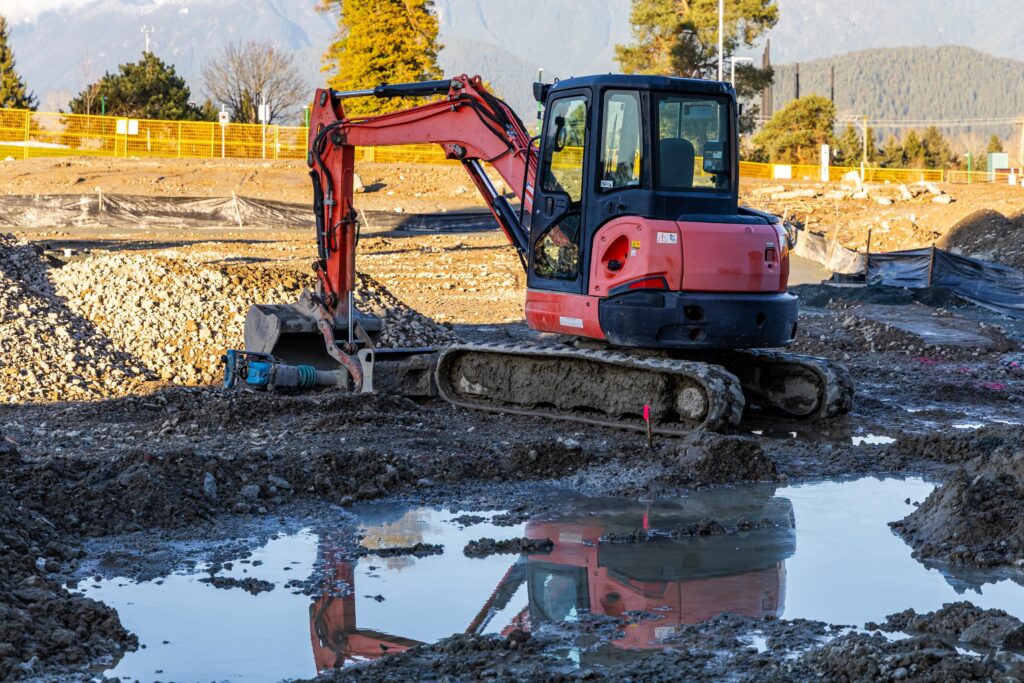
Excavator Sizes For Common Tasks (With Practical Examples)

Use these examples as starting points, not fixed rules.

  • Small garden landscaping: 0.8–3t micro or mini excavator. Good for limited access, lower operating costs, and less surface damage.
  • Driveways and patios: 1.5–3t compact excavators are usually sufficient, especially where precision and better fuel economy matter more than speed.
  • Residential foundations: 3–5t compact excavator for many trenches up to around 2.5–3m. Step up to 8–14t if you need to dig deeper from reduced levels.
  • Deep utilities trenching: 8–22t midi or standard excavators may be needed for reach, trench boxes, and safe spoil handling.
  • Bulk excavation for commercial basements: 20–30t crawler excavators, or larger excavators on heavy materials, can save days on programme.
  • Demolition or site clearance: 14t+ machines with suitable attachments, or long reach excavators where height and stand-off distance are needed.
  • Roadside or farm works: A backhoe loader can be a practical alternative where digging, loading, grading, and travelling between locations are all required.

Using Charts And Spec Sheets To Compare Excavator Sizes

Spec sheets and an excavator bucket size chart help you compare machines objectively. For bucket matching, manufacturers and steel suppliers such as SSAB publish guidance showing how material density changes the safe bucket size for each machine class.

Typical roleApprox. max dig depthTypical bucket capacityNotes
Gardens, tight access2.2–2.6m0.03–0.08m³Often zero tail swing
Domestic works2.7–3.2m0.08–0.15m³Good precision
Utilities, foundations4.1–4.5m0.25–0.45m³Midi class
commercial projects5–6m0.5–0.9m³General site work
Bulk excavation6.5m+0.8–1.3m³Heavy production

For compact excavators, cat mini excavators, john deere models, and similar machines generally sit in the 1–6t range, although some mini categories extend higher. Read “transport width” as the width during haulage, not always the working width. Read “max reach at ground level” as a horizontal reach figure, not dig depth.

Cost, Transport, And Hire Duration Considerations

The true cost of an excavator is not just the daily hire rate. It includes delivery, fuel costs, operator time, attachments, setup, and delay risk.

Smaller machines usually offer excellent fuel efficiency and lower hire rates, but they may need more days to finish the same volume. Larger excavators use more fuel per hour, but for bulk digging, they can reduce total fuel consumption and labour by completing the work faster.

Transport changes by size. Very small machines can often be delivered on compact trailers, while larger standard excavators may need plant lorries. Heavy machines can require low-loaders, delivery windows, permits, and suitable access roads.

Before booking, estimate daily output, shift length, spoil removal, and whether breakers or augers are needed. The best hire duration is based on realistic productivity, not guesswork.

How We Can Help You Choose The Right Excavator Size

We specialise in excavators and related solutions, helping contractors match machine size, configuration, and attachments to specific project requirements.

Our knowledgeable team can review drawings, dig depth requirements, access photos, soil reports, lift duties, and site constraints. For complex work, such as deep excavations in urban areas, specialist input can help balance reach, stability, and access while keeping the machine operated safely.

If you are unsure which size excavator is right for your next project, see how we can help and get tailored advice before committing to hire. Hiring according to project needs usually leads to safer, faster, and more profitable construction outcomes.

FAQ: Excavator Sizes And Project Planning

These answers cover common questions about excavator sizes, planning, and practical hire decisions.

What size excavator do I need to dig a typical UK house foundation?

Many single-storey and two-storey house foundations in the UK are between 1m and 2.5m deep. A 3–5t compact excavator with around 3m dig depth is often sufficient, provided access allows.

Deeper piles, basements, or engineered ground improvement may require 8–14t machines for reach and stability, especially when working from reduced levels. Confirm depth and trench width from drawings or your structural engineer before booking.

Can a mini excavator dig as deep as a larger crawler excavator?

Some mini excavators can dig surprisingly deep, often around 2–3m, and certain models can exceed 15 feet. However, large crawler excavators can routinely achieve greater dig depth and reach, often 6m, 8m, or more, while staying stable.

The limit is not only the maximum digging depth. You also need safe spoil placement, benching, and enough room to load away from the excavation edge.

Is a backhoe loader a good alternative to a mid-size excavator?

Yes, in the right setting. A backhoe loader combines a front loader bucket with a rear excavator arm, making it useful for road, farm, and utility work where travel speed matters.

For sustained digging in one location, a 6–10t midi excavator usually outperforms it. For scattered works, the backhoe loader may be the more efficient machine.

How much clearance do I need around an excavator to operate safely?

Safe clearance depends on tail swing radius, boom reach, people, vehicles, and nearby structures. As a rule, keep a clear working envelope equal to the full swing radius plus at least 0.5–1m.

Zero tail swing machines still need lateral clearance for the boom and bucket. Always check overhead hazards, scaffolding, power lines, and the model’s operating manual.

What information should I give when asking for an excavator hire quote?

Provide the project type, required dig depth, approximate excavation volume, access dimensions, ground conditions, preferred dates, hire duration, and whether attachments such as breakers or augers are needed.

Photos, sketches, and layout drawings help the hire or engineering team recommend the right excavator instead of a generic default. That usually means more accurate pricing, better machine selection, and fewer delays when the excavator arrives on site.
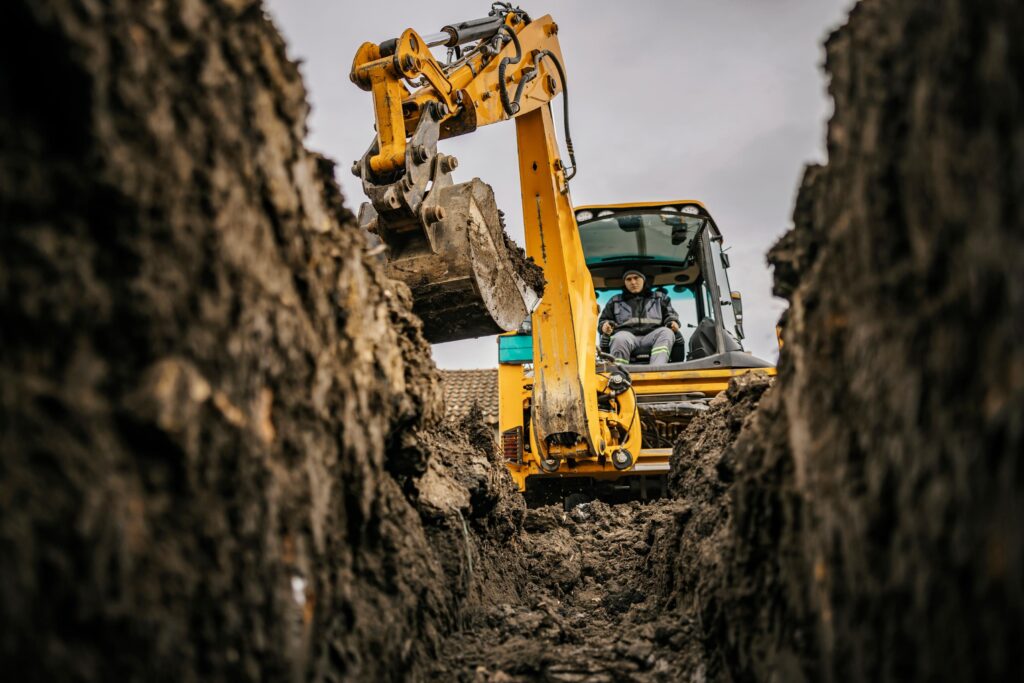
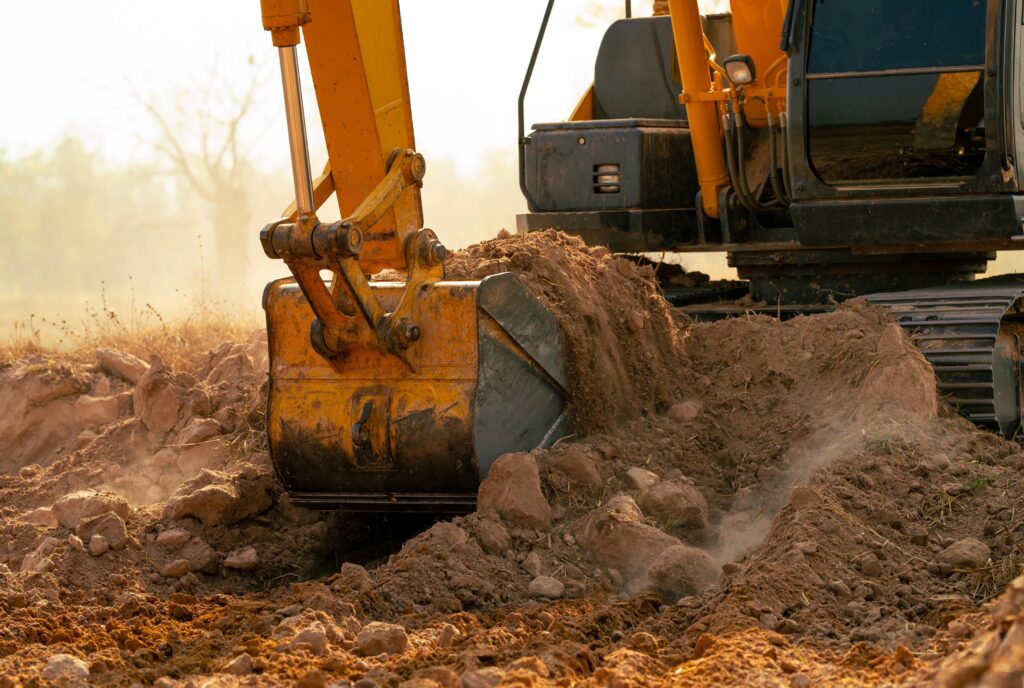
Digger vs Excavator | Understand The Key Differences

Digger vs excavator is a common question on UK construction sites, but the answer is usually about language, size, and suitability for the job site. This guide is intended for construction professionals, equipment buyers, and anyone needing to select the right machine for their project. Understanding the difference helps ensure you choose the most suitable equipment for your job, avoid costly mistakes, and communicate clearly with suppliers.

Key Takeaways

  • “Digger” is a general nickname for an excavator in the UK, though in North America it often means smaller digging machines for landscaping projects and trenching.
  • The real choice is usually mini diggers or mini excavators versus crawler excavators, large excavators, or long reach excavators.
  • Digging depth, site access, power, attachments, multifunctionality, and ground conditions decide the right machine.
  • For detailed excavator types and configurations, see Kocurek’s page on excavators.
  • This guide explains how to choose the right one for different projects, not just the dictionary difference.

Digger vs Excavator: Why the Terms Cause Confusion

In the UK, Ireland and much of Europe, diggers and excavators are often the same thing in everyday speech.

  • In North America, the term ‘digger’ is often used to describe smaller digging machines designed for tasks like landscaping and trenching.
  • In the UK and many other regions, ‘digger’ is a colloquial nickname for an excavator, usually referring to a smaller, compact machine.
  • All excavators are diggers because they perform digging tasks, but not all diggers are technically excavators.
  • “Digger” can also mean micro diggers, midi diggers, a backhoe loader, trenchers, or other small digging machines.
  • This difference matters when ordering equipment, comparing hire quotes, specifying a bucket, or booking attachments.
  • In formal construction projects, “excavator” is the safer term.

What Is an Excavator?

An excavator is hydraulic heavy equipment with a rotating cab, rotating house, boom, long arm, dipper and bucket, usually on tracks or wheels. Most excavators have 360° rotation and serious power for deep digging, heavy lifting, demolition and material handling.

Core parts include:

  • Undercarriage: tracks or wheels, including crawler excavators and wheeled excavators.
  • Upper carriage: the rotating house with engine, hydraulics and counterweight.
  • Boom and arm: the long arm system for digging, lifting and reaching.
  • Operator cab: the rotating cab for visibility and control.

Excavator types include short tail-swing models, zero tail-swing machines and long reach excavators. From 2015–2025, UK and European work, applications for excavators included road construction, flood defence, quarry work, urban basement digs, commercial foundations and the mining industry.

What Is a Digger?

A digger is an informal or umbrella term, especially in the UK, Australia and New Zealand. On many sites, it means a mini digger or compact excavator.

  • Mini diggers, micro diggers and smaller machines are often 0.8–8 tonnes and suit confined spaces.
  • A micro excavator is useful in residential areas, tight spaces and confined areas.
  • Diggers usually have a compact size and are suited to shallow trenches, utility installation and small projects.
  • Plant catalogues may place mini diggers, backhoes and compact machines in the digger family.
  • Asking for a “digger” without size, digging depth or undercarriage type creates ambiguity.

What Is the Difference Between a Digger and an Excavator?

So, what is the difference between a digger and an excavator? The main difference is terminology and context. “Excavator” is the engineering, procurement and safety term; “digger” is casual and broader.

  • Specifications, training, certification and parts ordering normally use “excavator”.
  • Digger vs excavator comparisons often mean compact machines versus larger machines.
  • Excavators are generally larger and more powerful than diggers, making them suitable for heavy-duty tasks like deep excavation and demolition, while diggers are smaller and more agile, ideal for tasks in confined spaces.
  • Diggers usually have a more compact design with a two-part arm, making them better suited for utility projects and smaller jobs.
  • Compact diggers often have a reduced swing radius, approximately 200 degrees, limiting their pivoting range without moving the tracks.

Excavator vs Digger: Key Differences in Size, Power and Capability

Power and Size

Mini diggers, often 1–5 tonnes, use modest hydraulic power, around 15–30 kW, for light demolition, digging trenches and grading. Medium and large excavators, commonly 13–50+ tonnes, may use 100–250 kW for increased power, heavy-duty work and large-scale construction.

Tracked excavators offer superior grip and stability in muddy or uneven site conditions. Large crawler excavators bring more power, stability and breakout force for major construction projects.

Digging Depth and Reach

Digging depth is critical. Mini diggers often reach 2–3 m. Standard 20–25 tonne excavators can reach 6–7 m. Long-reach excavators can exceed 10–20 m depending on configuration.

Choose large excavators for deep excavation, quarry benches, riverbanks and basements. Choose diggers for driveways, shallow utility lines and localised digging.

Mobility, Access and Ground Impact

Mini diggers suit narrow gateways, older urban settings and finished gardens. A 1.7 tonne mini digger may pass through a garden gate; a 30 tonne excavator needs low-loader transport, firm haul roads and wider working space.

Smaller machines reduce surface damage. Larger machines may require mats and more planning.

Attachments and Multifunctionality

Excavators can be enhanced with augers for drilling, grapples for material handling, hydraulic breakers, pulverisers and shears, which significantly increase their versatility for specialised jobs. The versatility that excavators offer makes them a go-to machine on many sites.

Modern mini-diggers can accept some attachments like breakers, but they are primarily designed for dedicated digging and levelling tasks. Diggers, while having fewer attachments, are still multi-functional with a front loader for material handling and a backhoe for digging tasks, and some advanced models feature rotating attachments and tiltrotators for added flexibility.

Mini Diggers vs Large Excavators

Many two-machine comparisons are really mini diggers versus large excavators.

  • Access: mini diggers win in tight spaces; heavy-duty machines win on open sites.
  • Productivity: excavators move bulk material faster on large-scale projects.
  • Cost: excavators can be an expensive investment, with new models costing hundreds of thousands of dollars, plus fuel consumption and annual maintenance costs.
  • Budget: diggers are generally more economical than excavators, with lower fuel and maintenance costs.
  • Hire: the used market for diggers is strong, and rental rates for diggers are usually lower than those for excavators.
  • Use: mini diggers are cost-effective for short hire; large excavators suit long-term infrastructure.

Excavator Types and Configurations

There is no single excavator type. Different machines suit different projects.

Crawler Excavators

Crawler excavators dominate civil engineering, quarrying and demolition because tracks give traction, stability and low ground pressure.

Wheeled Excavators

Wheeled excavators are road-mobile machines for road, rail and utility work. They reduce damage on tarmac but lose performance on soft ground.

Short Swing and Zero Tail-Swing Excavators

These machines reduce rear overhang when rotating, improving safety near traffic, walls and structures.

Long Reach Excavators

Long reach excavators use extended booms for dredging, lagoon clearance, deep basements and tall demolition. They are ideal when reach is the limiting factor.

Applications for Diggers vs Applications for Excavators

Applications for Diggers

Applications for diggers include residential landscaping, clearing backyard debris, driveway reconstruction, breaking concrete, shallow trenches and utility installation. Utility projects benefit from diggers because they are efficient for trenching shallow water or electrical lines in tight urban areas.

Diggers excel in two-in-one tasks due to their front loaders, making them useful for scooping, loading dump trucks and backfilling trenches.

Applications for Excavators

Applications for excavators include bulk earthmoving, land clearing, fine grading, foundation work, heavy lifting, road construction, large-scale construction, deep excavation, demolition and industrial dismantling.

Excavators can handle multiple functions on construction sites, making them essential for land clearing, fine grading and heavy lifting. The machine’s versatility increases further with specialist attachments.

How to Choose the Right One for Your Project

Choose by scope, site size, material, budget and safety.

  • Need shallow trenches, compact size and lower cost? Choose mini diggers.
  • Need deep digging, reach, lifting or demolition power? Choose an excavator.
  • Check ground conditions, overhead cables, site access and transport.
  • Match the attachment set to the job: breaker, auger, grapple, grading bucket or loader bucket.
  • Factor in operator competence, insurance, servicing and regulations.
  • Get professional advice before committing to the right machine.

The choice between machines depends on the project’s scope, ground conditions and site size, with excavators suited for deep earthmoving and diggers for lighter tasks. The versatility of excavators and diggers allows them to be used in construction, landscaping, utility work and demolition.

Frequently Asked Questions

Do I Need a Special Licence to Operate a Digger or Excavator?

On private UK land, there is not usually a separate licence, but commercial sites normally require evidence of competence, such as CPCS or NPORS. Always check insurance and local rules.

Is a Backhoe Loader a Digger or an Excavator?

A backhoe loader is a separate, versatile machine with a front loader bucket and rear excavating arm. Many people casually call it a digger, but it is not a dedicated excavator.

Can a Mini Digger Do the Same Work as a Large Excavator?

A mini digger can perform similar tasks on a smaller scale, but it lacks the power, digging depth and reach of large excavators. For bulk earthmoving or deep foundations, larger machines are safer and faster.

How Long Does a Typical Excavator or Digger Last?

Many excavators exceed 8,000–12,000 operating hours with proper servicing, and some pass 15,000 hours. Hire-fleet mini diggers may wear faster, so inspection matters.

Can I Use the Same Attachments on Different Excavator Types?

Sometimes, but compatibility is not automatic. Hydraulic flow, pressure, couplers and stability must match the machine and attachment manufacturer’s guidance.

Types Of Excavators And Their Utility On Site

Choosing the right type of excavator is a critical decision for construction professionals, site managers, and equipment buyers. The selection impacts not only the efficiency and safety of your project but also influences access, digging speed, fuel consumption, and overall project costs. Understanding the various types of excavators and their specific applications ensures that you select the most suitable machine for your site conditions and project requirements. Whether you are managing a large-scale earthmoving operation, overseeing urban utility installations, or purchasing equipment for a fleet, knowing the strengths and limitations of each excavator type will help you optimize productivity, reduce operational risks, and control expenses.

Key Takeaways

  • Crawler excavators, wheeled excavators, mini excavators, long reach excavators, dragline excavators, backhoe excavators, and hydraulic shovels each suit different ground conditions, reach needs, and job scales.
  • Understanding the purposes of different types of excavators helps reduce cycle times, fuel use, and hire or purchase costs on construction sites.
  • Specialist machines such as a knuckle boom excavator, suction excavators, vacuum excavators, and a spider excavator solve niche access, precision, or terrain problems.
  • Key types of excavators include crawler excavators, wheeled excavators, mini excavators, long reach excavators, dragline excavators, suction/vacuum excavators, skid steer excavators, and hydraulic shovels.
  • For complex requirements, our excavator solutions can help match or engineer the right configuration.

What Is An Excavator, and Why Does the Type Matter on Site

An excavator is construction equipment with a rotating platform, rotating cab, boom, stick, bucket, and undercarriage on tracks or wheels. Most modern hydraulic excavators use hydraulic power mechanisms to create digging movement, digging force, lifting, swing, and travel.

“Different types of excavators” refers to machines built for specific tasks, while “types of excavation” includes digging trenches, bulk earthmoving, deep trenching, dredging, demolition projects, site preparation, road building, digging pools, drainage systems, utility installation, deep digging, underwater excavation, and material handling. When choosing an excavator, consider the type of work you will be performing, as different jobs have specific needs, such as suctioning or long horizontal reach. Jobsite conditions play a significant role in selecting an excavator, as different models vary in their ability to navigate rough terrain or fit into tight spaces.

Crawler Excavators (Standard Excavators)

Crawler excavators, also known as standard excavators, run on tracks and are optimal for heavy-duty construction jobs, providing greater stability and flexibility on uneven terrain. These tracked excavators use steel or rubber movable tracks and a chain-and-wheel system to distribute weight, providing greater balance and stability on uneven ground, making them suitable for grading hilly areas and landscaping uneven terrain.

They are used for foundations, basements, loading trucks, quarry work, tree stumps, heavy lifting, and large excavation projects. A crawler excavator can range from a smaller excavator around 8–10 tonnes to large excavators over 80–90 tonnes for mining operations and major earthworks. Their limits are slow travel, transport by low loader, and possible damage to finished surfaces.

Common excavator attachments include:

  • Buckets
  • Rock buckets
  • Hydraulic breakers
  • Pulverisers
  • Shears
  • Thumbs
  • Grapples
  • Augers
  • Clamps
  • Quick couplers
  • Other specialised attachments

Mini And Compact Excavators

Mini excavators and compact excavators are compact versions of standard excavators, designed for jobs in limited spaces, and typically weigh between 0.75 tons and 10 tons. Mini excavators are designed to minimise ground impact and fit through crowded, narrow sites, making them ideal for delicate work in urban environments.

They suit residential landscaping, small service trenches, courtyards, indoor work, and narrow streets. Reduced or zero tail swing, rubber tracks, and compact bodies let them work in tight spaces where other excavators cannot. The trade-off is lower lift capacity, shorter reach, and shallower digging depth or maximum digging depth than larger machines.

Wheeled Excavators

Wheeled excavators mount the upper structure on tyres rather than tracks and are often called “rubber ducks” in the UK. Wheeled excavators offer greater mobility and speed on paved surfaces compared to crawler excavators, making them useful on roads, yards, ports, and industrial job sites.

They handle highway maintenance, street drainage, utility installation, and hardstand work with less surface damage. Outriggers and a dozer blade improve stability, but they are weaker than crawler excavators on muddy, steep, or very rough terrain.

Long Reach Excavators

A long-reach excavator is built with a longer arm and boom to work safely at a distance. Long-reach excavators are equipped with a longer arm and boom, allowing them to reach distances of up to 100 feet, making them ideal for tasks that require working at significant depths or distances.

Long-reach excavators are commonly used in dredging operations, underwater excavation, and demolition of tall buildings, allowing operators to work at a significant distance from the work area. They also suit quay walls, deep basements, and unstable banks. The phrase excavator long reach excavators usually refers to crawler-based machines with engineered fronts. Their limits are reduced lifting capacity at full reach, slower cycles, transport complexity, and attachment sensitivity.

Backhoe Excavators (Backhoe Loaders)

Backhoe excavators combine a rear digging arm with a front loader bucket. They are versatile machines for farms, estates, rural roads, small foundations, backfilling, debris removal, and removing debris after light work.

Compared with a dedicated crawler excavator, the rear arm has a limited slew arc and lower digging power, but road speed and dual-purpose loading make it valuable. Modern backhoe excavators can accept breakers, augers, thumbs, and compact buckets for various tasks.

Dragline Excavators

Dragline excavators use a lattice boom, wire ropes, and a large bucket attached to a crane-like system via cables for large-scale excavation. A dragline system uses a hoist rope, a hoist rope system, a drag rope, and sometimes a hoist coupler arrangement; the dragline pulls the bucket toward the machine rather than using a normal hydraulic stick.

Dragline excavators are used for surface mining, strip mining overburden, canals, harbours, reservoirs, and large-scale excavation. Their strengths are long reach, high production, and working over unstable or wet ground. Their weaknesses are huge cost, large setup areas, and poor suitability for confined urban work.

Hydraulic Shovels And Large Excavators

Hydraulic shovels are large, heavy-duty excavators designed for mining and large-scale earthmoving projects, capable of moving vast amounts of material quickly. They sit above normal excavator types and are common in open-pit mines, heavy quarrying, ore loading, and major cuttings.

Some hydraulic shovels use forward-facing buckets; others use backhoe-style arrangements. The size and capacity of the excavator are crucial factors; selecting the right size ensures that the job is completed efficiently and effectively. Standard large excavators, often 45–90 tonnes, bridge the gap between construction crawlers and mining shovels.

Specialised Excavator Types For Challenging Conditions

Beyond mainstream machines, specialist designs handle challenging terrain and precision work.

Walking and Spider Excavators

Walking excavators, including the spider excavator, use adjustable legs for slopes, riverbanks, flood defence, forestry, and post-landslide stabilisation.

Amphibious Excavators

Amphibious machines use pontoon undercarriages for wetlands and shallow dredging.

Suction/Vacuum Excavators

Suction excavators, also known as vacuum excavators, use powerful suction to remove soil and debris, making them ideal for delicate jobs around underground utilities. Suction excavators use powerful suction and water jets to loosen soil, allowing for precise excavation around underground utilities with minimal disruption to the surrounding area. Suction excavators, also known as vacuum excavators, utilise a suction pipe and water jets to remove soil and debris with minimal disruption, making them ideal for delicate underground applications. Primarily utilised in urban settings for utility tasks, suction excavators excel at repairing or installing underground pipes, cables, and gas lines due to their accuracy and minimal disturbance to the surrounding environment.

Knuckle Boom Excavators And High-Manoeuvrability Options

A knuckle boom excavator has an extra boom joint, helping the arm fold around obstacles and work close to the machine. These excavators feature strong articulation for demolition in constrained areas, scrap sorting, recycling plants, precision excavation, and controlled structural crumbling.

Skid steer excavators and compact swing-boom machines also suit confined construction site conditions. A skid steer can manoeuvre tightly; skid steer excavators, sometimes grouped with steer excavators, gain more value when paired with grabs, sorting grapples, and compact buckets.

Excavator Attachments And Their Role In Different Types Of Excavation

Excavator attachments often change productivity as much as the base machine. Excavator versatility is often increased by switching attachments such as buckets, hydraulic breakers, grapples, and augers. Excavators use a variety of hydraulic attachments that serve different purposes, including buckets, augers, breakers, clamps, and quick couplers.

Buckets

Buckets are the most common attachments seen on excavators, designed for digging and scooping capabilities, and come in various types, such as:

  • Ditching buckets
  • Trenching buckets
  • Rock buckets (for abrasive ground)
  • Grading buckets (for shaping slopes)
  • Mud buckets (for dredging)

Augers

Augers, when attached to excavators, allow operators to bore into the ground, with sizes ranging from 4 inches to 50 inches in diameter and capable of drilling deep holes up to 32 feet.

Other Attachments

Other common attachments include:

  • Hydraulic breakers
  • Grapples
  • Shears
  • Thumbs
  • Clamps
  • Quick couplers
  • Pulverisers

Correct hydraulic circuits, quick couplers, and attachment weights are essential for safe work.

Choosing Between Excavator Types For Your Construction Site

To choose the best excavator, assess access, working envelope, digging depth, horizontal reach, soil, lifting needs, transport, operator skill, and whether work is above, at, or below water. A mini excavator plus suction unit suits inner-city utilities; a crawler excavator suits bulk cut-and-fill; a long reach excavator suits riverbank stabilisation; dragline excavators suit major dredging or mining.

For deep pile driving, demolition, heavy earthmoving, or delicate utility exposure, the right excavator is the one sized for the actual production and safety requirements, not simply the biggest available. If you need help specifying machines, attachments, or engineered fronts, explore our excavator solutions.

How We Can Help With Specialist Excavators

How we can help is simple: we focus on engineered excavator solutions rather than generic plant hire. We can support long-reach excavators, demolition configurations, bespoke dredging fronts, tailored boom designs, and knuckle boom excavators for non-standard job sites.

We evaluate the purposes of different types of excavators against reach, depth, access, load, stability, and ground conditions, then recommend the most productive configuration. Explore our excavator solutions early to avoid under-specifying, over-specifying, or compromising safety and whole-life cost.

Frequently Asked Questions About Excavator Types

What is the difference between a crawler excavator and a wheeled excavator?

A crawler excavator runs on tracks for traction and stability on soft, uneven, or sloping ground. A wheeled excavator uses tyres for faster travel and less pavement damage, making it better for roadworks and urban utility projects.

When should I choose a long-reach excavator instead of a standard machine?

Choose a long-reach excavator when the work area is distant from a safe machine position, such as dredging from a bank, excavating deep basements, or demolishing high structures. If a standard boom can reach safely, a conventional crawler may be faster and stronger.

Are dragline excavators suitable for typical building or civil projects?

Usually, no. Dragline excavators are efficient on mines, quarries, and major dredging works, but they are oversized and costly for most building projects. Crawlers, long-reach machines, or hydraulic shovels are more practical for most civil sites.

How do I decide which excavator attachments I really need?

Start with the work programme: trenching, breaking concrete, sorting waste, drilling, lifting, grading, or dredging. Then match each task to a bucket, breaker, grapple, auger, shear, or grading tool, checking hydraulics and lifting capacity.

Can one excavator type cover all the types of excavation on my project?

A mid-sized crawler with good attachments can cover many jobs, but no single machine is optimal for every condition. A crawler plus mini excavator, or a long reach machine plus standard excavator, is often more efficient than forcing one machine to do everything.

How Bespoke Excavator Modifications Extend Machine Lifespan

This guide is for contractors, fleet managers, and operators seeking to maximise the lifespan of their excavators. It covers daily maintenance, operator best practices, and when to consider professional upgrades. Maximising excavator lifespan reduces ownership costs and increases return on investment. This guide explains how to extend the excavator’s lifespan through disciplined daily checks, clean fluids, correct operation, and planned upgrades. Proper maintenance can extend the lifespan of construction equipment significantly. Extending the lifespan of an excavator requires a combination of consistent preventive maintenance and skilled operation techniques. Preventive maintenance is critical to reduce avoidable failures and prolong equipment life.

Extending the excavator’s lifespan requires both preventive maintenance and skilled operation techniques. By combining regular inspections, proper lubrication, and operator training with timely upgrades and professional support, you can ensure your equipment delivers reliable performance for years to come.

Disciplined daily checks, clean fluids, and correct operation can add 5,000 to 15,000 or more hours to an excavator’s life, with some fleets achieving 30 to 40 per cent longer operational periods. The hydraulic systems, undercarriage components, and engine are the three highest cost and failure drivers, with the undercarriage alone representing 40 to 50 per cent of lifetime maintenance spend. The undercarriage includes rollers, idlers, sprockets, track chains, and track shoes, contributing to an excavator’s overall mobility and strength. Tailored preventive maintenance based on real job conditions, rather than just handbook hours, can cut unplanned downtime by up to 70 per cent and significantly reduce repair bills. Additionally, bespoke excavator modifications, custom excavator equipment, and specialist excavator engineering extend equipment lifespan when implemented as planned upgrades rather than ad-hoc fixes. Operator training, detailed records, and timely professional support through excavator retrofit solutions prove as valuable as any mechanical intervention.

Why Excavator Lifespan Matters

New 20–30 tonne crawler excavators in the UK market typically cost £120,000–£250,000. For contractors working on housing developments, highways, rail infrastructure, and utilities projects, squeezing every extra operating hour from this heavy equipment is critical to profitability.

With structured excavator maintenance, many fleets see machines working reliably beyond 15,000–20,000 hours. Neglected machines? They can be effectively worn out before 8,000 hours. The difference represents tens of thousands of pounds in lost value plus hidden costs, including lost day rates exceeding £1,000 daily, penalties on UK infrastructure contracts, and disruption to labour and haulage schedules.

This guide covers how to extend excavator lifespan through daily inspections, hydraulic care, undercarriage protection, engine and cooling maintenance, electrical system attention, proper lubrication, operator technique, and long-term planning, including excavator upgrades and specialist excavator engineering solutions. The guidance applies to common crawler excavators from 5 to 50 tonnes operating across UK job sites.

Start with Daily and Weekly Checks

A 10–15 minute routine at the start and end of each shift is the single fastest way to achieve optimal performance and extend machine life. Low fluids alone cause 20-30% of premature failure in construction equipment.

Daily Walk-Around Points

  • Check for leaks under the machine (hydraulic oil, engine oil)
  • Inspect for damage to hydraulic hoses and boom structure
  • Look for missing or loose connections and bolts
  • Measure excessive track sag (compare against handbook specs)
  • Examine bucket teeth wear and quick coupler integrity

Fluid and Filter Checks

  • Check engine oil level via dipstick
  • Inspect hydraulic oil sight glass
  • Verify coolant levels (50/50 mix)
  • Check fuel tank and washer bottle
  • Visually inspect air filters for contamination

Daily Cab Check

  • Monitor warning lights on start-up
  • Listen for unusual noises
  • Test for sluggish controls
  • Watch for excessive smoke
  • Note abnormal vibration
  • Verify heater/AC function

Weekly Additions

  • Adjust track tension according to operating conditions
  • Clean the undercarriage of packed mud and stones
  • Grease all pins and bushes (boom, dipper, bucket, slew)
  • Inspect the slew ring and slew gear area for play or metal shavings

Record every check in a logbook or digital app. This service history supports resale value by 10-20% and helps identify patterns in recurring issues before they cause costly repairs.

With daily and weekly checks in place, the next step is to focus on the hydraulic system, the heart of your excavator.

Protect the Hydraulic System – The Heart of the Excavator

The hydraulic system converts mechanical energy into hydraulic energy using components like pumps, valves, cylinders, and motors. Hydraulic pumps, valves, and motors rank among the most expensive hydraulic components on any excavator. A catastrophic failure can easily cost £8,000–£20,000 in parts and labour, plus weeks of unplanned downtime.

Maintaining System Efficiency

  • Use hydraulic oil at the correct specification (typically ISO VG 46 for UK climates)
  • Change hydraulic filters at or before manufacturer intervals
  • Shorten service intervals in harsh conditions like demolition dust or quarry work
  • Clean oil prevents approximately 50% of hydraulic issues

Warning Signs of Hydraulic Distress

  • Slow cycle times or reduced performance
  • Jerky movements during operation
  • Unusual whining or cavitation noise from the pump
  • Hydraulic tank running hot (above 60°C)
  • Spongy controls indicating air ingress

Periodic oil sampling every 500–1,000 hours reveals contamination, water ingress, or wear metals early. This data enables targeted excavator retrofit solutions or component overhauls before total failure occurs.

Hose Protection Essentials

  • Avoid rubbing points that cause unnecessary wear
  • Fit guards where hoses pass over sharp edges
  • Replace any hose showing blisters, exposed wire, or leaks immediately

In cold weather, allow proper warm-up of hydraulics, gentle cycling of boom, dipper, and bucket at low RPM for several minutes, which prevents seal damage and hose cracking in extreme temperatures.

Once the hydraulic system is protected, attention should shift to the undercarriage, which is the largest wear cost on tracked excavators.

Look After the Undercarriage – Your Biggest Wear Cost

For tracked excavators, undercarriage components can represent 40–50% of lifetime maintenance spend. The undercarriage includes rollers, idlers, sprockets, track chains, and track shoes, contributing to an excavator’s overall mobility and strength. Correct care adds 2,000–3,000 hours before major rebuild, a significant extension of service life.

Key Undercarriage Parts

  • Track chains (pins and bushes)
  • Track shoes or pads
  • Top and bottom rollers
  • Idlers and sprockets
  • Track tensioning system

Daily Cleaning Routine

  • Remove mud, clay, chalk, and stones from between rollers and tracks
  • Packing with abrasive materials accelerates wear and causes derailing
  • This five-minute habit delivers substantial returns

Track Tension Management

  • Measure track sag on level ground, typically 30-40mm for a 20-tonne machine
  • Loosen tension in very muddy ground conditions to prevent excessive wear from over-tight running
  • Maintain proper tension for smooth operation

Signs of Wear Requiring Attention

  • Hooked sprocket teeth
  • Sharp or broken track pads
  • Cracked rollers
  • Uneven wear patterns suggesting aggressive operation or misalignment

Operating Habits That Save Money

  • Minimise high-speed tracking
  • Avoid sharp turns on asphalt or concrete
  • Never use travel motors to “bulldoze” material uphill

Consider planned replacement over piecemeal repairs when wear becomes significant. Custom excavator equipment, such as heavy-duty rock pads or specialist track guards, extends life 20-50% on abrasive UK sites.

With the undercarriage protected, attention should turn to the engine and cooling systems to ensure reliable power delivery.

Attachments, Lubrication and Operating Technique

Attachments and daily lubrication directly affect both productivity and the structural life of the boom, dipper, and slew ring.

Attachment Management

  • Regularly inspect buckets, quick couplers, and breakers for cracks, worn pins, and loose bolts
  • Match the tool to the carrier to avoid oversized breakers or over-heavy buckets on smaller machines
  • Never pry or hammer with standard buckets

Greasing Regime for Proper Lubrication

  • Use the correct grease grade (typically NLGI 2) for UK temperatures
  • Both over-greasing (squeezes seals, attracts dirt) and under-greasing (causes metal surfaces to contact, ovaling pin bores) create problems
  • Grease all pins and bushes as per OEM recommendations

Operator Technique Matters

  • Smooth control movements prevent shock loading
  • Avoid sudden stops at cylinder ends
  • Proper warm-up and cool-down cycles
  • Train operators on new capabilities when adding custom excavator equipment like tilt-rotators

Poorly trained operators using specialist attachments can accelerate wear by 20-30%.

With attachments and lubrication addressed, the next focus is on the engine, cooling system, and filters to maintain the power unit’s health.

Engine, Cooling System and Filters – Keeping the Power Unit Healthy

The excavator’s engine, cooling system, and filters form the life support of your machine. Modern Stage V engines used across UK fleets are particularly sensitive to poor fuel quality and neglected filter replacements.

Engine Oil and Filter Maintenance

  • Timely oil and filter changes (typically 500-hour intervals, reduced for severe duty)
  • Regular inspections of belts and mounts
  • Monitor exhaust smoke colour (black indicates rich fuel, white suggests coolant issues)

Fuel System Protection

  • Drain water separators regularly
  • Use quality diesel from reputable UK suppliers
  • Replace fuel filters before restriction stresses injectors and high-pressure pumps

Cooling Package Maintenance

  • Keep radiators, oil coolers, and charge-air coolers free from dust using compressed air or low-pressure water
  • Clean in the opposite direction to the airflow
  • Use the correct coolant type and mix for UK conditions
  • Check for leaks in hoses and clamps
  • Watch for overheating under sustained heavy loads in extreme heat

Air and Cabin Filter Attention

  • Air filters are cheap insurance against premature wear
  • In dusty conditions, crushing plants, dry demolition work during summer, inspect daily and replace more often than the handbook intervals suggest
  • Using OEM filters or quality equivalents ensures optimal performance
  • Cabin filters protect both electronics and operators, keeping cab air clean and operators alert

With the engine and cooling system maintained, the next area to address is the electrical system, electronics, and telematics for reliable machine operation.

Electrical System, Electronics and Telematics

Modern excavators rely on CAN-bus wiring, sensors, ECUs, and displays. Electrical reliability now matches mechanical health in importance for performance and longevity.

Electrical Component Protection

  • Keep battery terminals tight and clean
  • Secure looms away from sharp edges
  • Avoid high-pressure washing directly at electrical boxes or connectors

Common Failure Causes

  • Vibration loosening connectors
  • Water ingress into junction boxes
  • Rodent damage to looms on parked machines
  • Amateur wiring of additional lights or cameras creates unnecessary strain

Regular Inspections

  • Conduct quarterly inspections to spot chafed wires, loose earth points, cracked relays, and corroded plugs before they cause intermittent faults

Telematics for Fleet Management

  • Remote monitoring through OEM or aftermarket systems tracks engine hours, fuel burn, idle time, warning codes, and service intervals
  • This data supports scheduled maintenance planning and helps extend equipment lifespan by forecasting issues

When implementing bespoke excavator modifications, ensure proper integration with existing electrical architecture. This includes correct fusing and load capacity calculations to avoid overloading circuits.

With the electrical system managed, planning, upgrades, and professional support become the next priorities for long-term excavator health.

Planning, Upgrades and When to Use Professional Support

Long excavator lifespan is ultimately a management decision. Planned regular maintenance, scheduled upgrades, and timely professional inspections all contribute.

Building a Maintenance System

  • Combine OEM schedules with site-specific adjustments
  • Plan seasonal checks (e.g., before winter 2026–27)
  • Schedule legal inspections as required
  • Use telematics data to forecast when major services fall due

Documentation Value

  • Maintain digital service records, parts history, and notes on recurring issues
  • This guides future excavator upgrades and retrofit decisions while supporting resale value

When Professional Help is Essential

  • Major hydraulic leaks or pump rebuilds
  • Complex electrical faults
  • Structural cracks in the boom or chassis
  • After serious impacts or rollovers

Excavator Retrofit Solutions

Instead of replacing machines, consider upgrading lighting, cameras, guarding, control systems, or emissions packages. These appropriate measures extend the useful life at a fraction of new machine costs.

Bespoke excavator modifications and specialist excavator engineering can adapt older machines to new tasks, adding auxiliary circuits for tilt-rotators or fitting heavy-duty belly guards for quarry work while renewing key areas.

Build long-term relationships with trusted engineers and parts suppliers who understand your fleet and can advise on cost-effective life-extension strategies.

Conclusion: Turning Excavator Care into Long-Term Value

Extending excavator lifespan comes down to consistent habits: daily inspections, clean fluids, proper care through correct lubrication, and respectful operation. These fundamentals require discipline rather than complexity.

Targeted investment in undercarriage, hydraulics, and engine care prevents catastrophic failure and keeps machines working productively for years beyond finance periods. Excavator upgrades, retrofit solutions, and custom excavator equipment, when planned and engineered properly, modernise existing assets instead of forcing premature replacement.

Proper maintenance can extend the lifespan of construction equipment significantly. Extending the lifespan of an excavator requires a combination of consistent preventive maintenance and skilled operation techniques. Preventive maintenance is critical to reduce avoidable failures and prolong equipment life.

Review your current maintenance routines this month. Identify 2–3 immediate actions: perhaps implementing oil sampling, adjusting greasing frequency for your operating conditions, or scheduling that overdue undercarriage inspection. Small changes compound into significant savings across your fleet’s service life.

Frequently Asked Questions

How many hours should a well-maintained excavator last?

Many UK fleets expect 10,000–12,000 hours as a baseline life for heavy machinery. With disciplined preventive maintenance, timely component overhauls, and occasional excavator retrofits, achieving 15,000–20,000 hours or more on mainstream brands is realistic. Work type (heavy rock excavation versus utility trenching), climate, operator skill, and maintenance quality all significantly influence actual lifespan.

Is it worth rebuilding an older excavator instead of buying new?


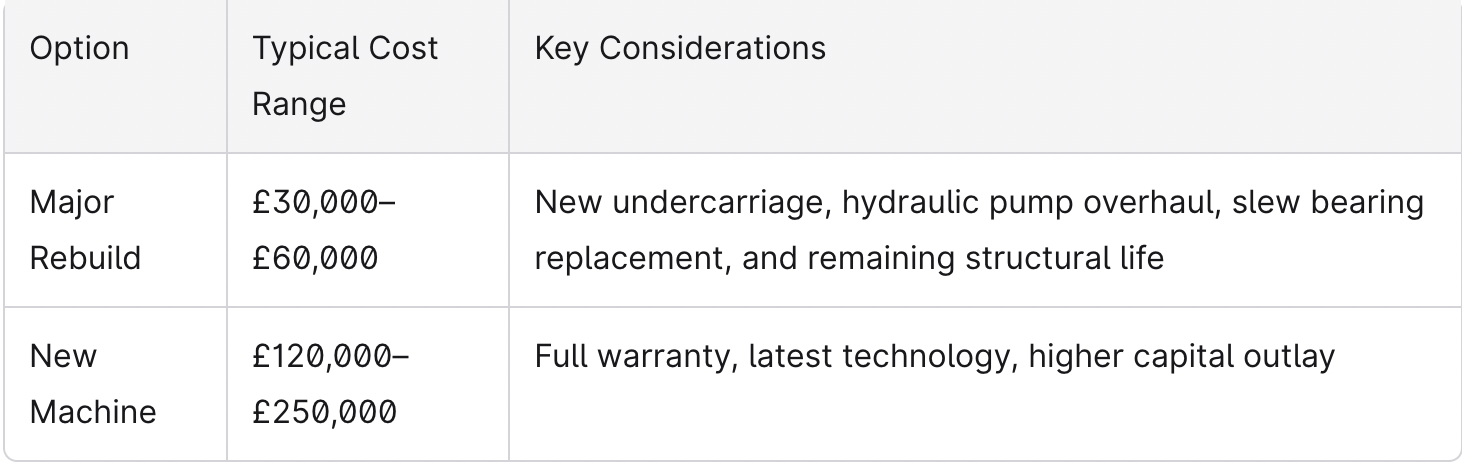
For well-built 20–30 tonne machines with sound structures, a major mid-life rebuild plus selected excavator upgrades often proves more cost-effective than replacement, particularly when the machine is already familiar to operators and operational costs are well understood.

How often should I grease my excavator?

Many UK contractors grease critical pins daily or every 10 working hours, increasing frequency in wet, abrasive, or high-impact conditions such as quarrying and demolition. Follow the OEM lubrication chart, but use visual inspection of pins and bushes (looking for dry, rusty, or noisy joints) as the best guide to whether intervals should be shortened.

Do bespoke excavator modifications shorten or extend machine life?

Well-engineered bespoke modifications and custom excavator equipment, designed and installed by specialist excavator engineering firms, generally extend useful life by adapting machines to new roles safely. However, un-engineered add-ons, oversized booms, excessive counterweights, or poorly integrated hydraulic circuits can overstress structures and systems, actually reducing lifespan and load capacity.

What is the best time to schedule major maintenance on busy projects?

Plan major services, undercarriage work, and retrofit projects for periods of lower utilisation between phases of housing developments or during planned shutdowns on infrastructure jobs. Use telematics and hour meters to forecast when significant services fall due, then adjust machine assignments so excavators can be released for workshop time without impacting programme dates. This ensures peak performance when machines are needed most.

Why After-Sales Support Is Critical for Heavy Excavator Equipment

Introduction

Disciplined excavator maintenance and support is essential for excavator owners and operators who want to reduce unplanned downtime, extend machine life, and ensure safety and compliance on UK sites in 2026. Excavator maintenance and support refers to a comprehensive approach that combines daily operator checks, scheduled preventive maintenance, professional repair, and ongoing technical backup. Daily operator checks and scheduled preventive maintenance are essential for excavator longevity and efficiency. This article is specifically designed for excavator owners and operators, covering the full scope of best practices: from daily checks and preventative maintenance to after-sales support and the use of digital tools.

Excavators require thorough maintenance to ensure their longevity and productivity. Regular maintenance ensures high machine availability, longevity, and operator safety in excavators. By following a structured maintenance plan, owners and operators can significantly reduce the risk of costly repairs, maintain compliance with evolving regulations, and maximise the return on their equipment investment. Operator training also plays a crucial role, as it reduces stress on structural components and hydraulic systems by promoting smooth operation.

In the following sections, you’ll find practical maintenance tips and actionable steps to help keep your excavator in optimal condition, minimise downtime, and support safe, efficient operations.

Why Excavator Maintenance and Support Matters in 2026

Modern excavators represent significant capital investment, ranging from £50,000 for a 5-tonne mini to over £400,000 for a 50-tonne quarry machine. Protecting this equipment through proper maintenance directly impacts your bottom line.

Excavators require thorough maintenance to ensure their longevity and productivity. Consider what happens when things go wrong: a hydraulic pump failure typically costs £20,000 or more to repair, while an undercarriage overhaul can exceed £30,000 when tracks, rollers, and idlers all need replacement. These costly repairs are often preventable with planned excavator servicing. Maintaining a detailed log of all maintenance activities helps track the history and identify recurring issues, allowing you to address ongoing problems before they lead to expensive breakdowns.

Excavator maintenance and support combines operator daily checks, scheduled services, professional repair, and ongoing technical back-up from heavy equipment support services. This article addresses UK-specific operating conditions—persistent mud, abrasive aggregates, and winter freeze—alongside 2026 regulatory expectations around emissions and safety.

Operator training is also vital, as it reduces stress on structural components and hydraulic systems by promoting smooth operation, further extending the life of your equipment.

Daily Excavator Maintenance Checks on Site

Daily walk-around checks are carried out at the start of each shift and typically take under 15 minutes, preventing approximately 80% of unexpected stoppages. These routine inspections catch small issues before they cascade into major faults.

Visual Checks

  • Leaks under the machine (hydraulic fluid, engine oil, coolant)
  • Damage to the boom, stick, and cylinders
  • Bucket teeth wear and cutting-edge condition
  • Cracked glass, damaged mirrors, and lights
  • Visible damage, structural cracks, leaks, and worn parts should be checked during walk-around inspections

Fluid Level Checks

  • Engine oil via dipstick (usually accessed through side service doors)
  • Hydraulic oil sight glass for milky contamination
  • Coolant level in the reservoir
  • Fuel level and washer bottle

Cooling System Maintenance

Daily cleaning of the cooling system—including radiator, coolant levels, and hoses—should be carried out to prevent overheating, which is a major cause of engine failure in dusty environments.

Air and Fuel Filter Checks

Inspect the air filter restriction indicator—if it shows red, the element needs attention. Air and fuel filters should be inspected daily, as clogged filters degrade engine performance. Check the fuel pre-filter bowl daily and drain any water present, particularly important in damp UK conditions. Daily draining of the fuel system water separator protects engine injectors from corrosion.

Track and Undercarriage Inspection

For track and undercarriage, look for excessive mud buildup, missing or loose track pads, abnormal track sag, and debris lodged in sprockets or rollers.

Safety System Checks

Test safety-critical items:

  • Horn
  • Travel alarm
  • Wipers
  • Seat belt
  • Emergency stop
  • Boom/slew controls

Idling Best Practices

Excessive idling causes engine washing, increasing wear, and should be minimised as part of daily best practices.

Transition: With daily checks completed, the next step is to focus on core service tasks involving fluids, filters, and lubrication to maintain optimal excavator performance.

Core Service Tasks: Filters, Fluids and Lubrication

Engine oil, hydraulic fluid, fuel, and coolant keep your excavator operating efficiently. Contamination in these fluids causes approximately 40% of premature wear and component failure. Understanding service intervals—while always confirming the manufacturer’s manual—helps maintain operational efficiency.

Air and Fuel Filters

  • Air filters work hard in dusty demolition and earthmoving environments. Primary elements typically need inspection every 50 hours and replacement every 250–500 hours, depending on operating conditions.
  • Check the service indicator regularly, and never blow filters out with high-pressure air—this damages the media and reduces efficiency.
  • Fuel filters and water separators require daily attention. Check the clear bowl, drain off water, and replace fuel filters at least every 500 hours.
  • In January, UK diesel can suffer from waxing issues that block flow, causing power loss, hard starting, and injector wear. Clean fuel is central to efficient excavator servicing.

Hydraulic Oil and Filters

  • The hydraulic system powers your boom, arm, bucket, slew, blade, and attachments. Using the correct oil grade (ISO 46 or ISO 68 as specified) matters for system longevity.
  • Typical hydraulic oil change intervals run 2,000–4,000 hours, with hydraulic filters changed more frequently at 500–1,000 hours. However, these intervals can vary depending on the excavator model, application, and attachment type, so always follow the manufacturer’s guidelines. Shorten these intervals in quarry or demolition environments where contamination risk increases.
  • Hydraulic filters should be replaced every 1,000–2,000 hours to prevent contamination.
  • Regular inspection of hydraulic hoses for cracks, bulges, or leaks is vital for maintaining system health and preventing equipment downtime.

Warning Signs of Hydraulic Problems

  • Milky oil (water contamination)
  • Burnt smell
  • Metallic particles
  • Slow cylinder cycles
  • Noisy pump or overheating

After checking for warning signs, regularly inspect the hydraulic system for leaks and check the fluid level to maintain optimal performance.

Always clean around filler caps and breathers before opening the system to avoid introducing dirt.

Greasing and General Lubrication

  • All grease points on the boom, stick, bucket, blade, and quick coupler need regular attention.
  • Standard intervals run every 8–10 hours in normal work, increasing to multiple times per shift for rock breaking or constant hammer use.
  • Use high-quality lithium or calcium-sulphonate grease suited to wet UK conditions, and never mix incompatible grease types.
  • Before applying fresh grease, wipe off old dirt-laden grease to prevent creating an abrasive paste that accelerates premature wear.

Transition: With fluids and filters addressed, attention must also be given to the undercarriage and attachments, which are critical for overall machine reliability.

Undercarriage, Tracks and Working Attachments

On tracked excavators, the undercarriage accounts for 40–50% of lifetime maintenance cost. Systematic care here pays back quickly through extended service life. Maintaining undercarriage tension is necessary to avoid excessive wear and derailment of tracks.

Check track tension regularly—typical guidelines suggest 30–50mm sag between carrier rollers when the track lifts off the ground, though exact figures vary based on model. Clean the undercarriage with a pressure washer at day’s end, particularly when working in clay or chalk common on UK sites.

Weekly or 50-hour Inspections Should Cover:

  • Track shoe and grouser bar wear
  • Sprocket teeth for hooking
  • Idler and carrier roller condition
  • Signs of damaged components requiring replacement
  • Tracks, pins, bushings, and sprockets to prevent premature wear and damage

Maintaining proper track tension is critical to prevent undercarriage wear, and track tension should be checked weekly.

For attachments, inspect bucket teeth (replacement typically needed every 100–200 hours), cutting edges, quick coupler locking indicators, and hoses for chafing or leaks. Buckets are used for lifting, digging, and transporting materials, so ensure all fittings on hydraulic hoses and system components are inspected and maintained to prevent leaks and failures.

Transition: After covering general undercarriage care, it’s important to focus specifically on the importance of track tension for reliable excavator operation.

Importance of Track Tension

Maintaining the correct track tension is essential for the reliable operation and longevity of any excavator. Track tension that is not properly adjusted can quickly lead to a host of problems, including premature wear of both the tracks and related components, increased repair costs, and unnecessary downtime. If the track is set too tight, it places excessive strain on the undercarriage, accelerating wear and risking damage to critical parts. Conversely, a track that is too loose can slip off during operation, reducing manoeuvrability and increasing the risk of de-tracking—potentially halting work and requiring time-consuming repairs.

Regular maintenance checks should always include an inspection of track tension, as even small deviations can affect the excavator’s performance and fuel consumption. Operators who prioritise proper track tension benefit from smoother operation, reduced risk of unexpected breakdowns, and lower overall maintenance costs. By integrating track tension checks into your excavator maintenance schedule, you not only extend the service life of the machine but also protect your investment and maintain a competitive edge on site. Ultimately, consistent attention to track tension is a simple yet powerful way to minimise risk, maximise uptime, and ensure your excavator delivers reliable performance throughout its lifespan.

Transition: With undercarriage and track tension addressed, the next focus is on engine maintenance to ensure consistent power and reliability.

Engine Maintenance

A robust engine maintenance routine is the backbone of efficient excavator operation. Regularly checking and maintaining engine oil, coolant, and fuel filters is crucial for preventing contamination and safeguarding the hydraulic system. Neglecting these routine maintenance tasks can lead to increased fuel consumption, unexpected downtime, and even costly repairs that could have been avoided with timely intervention.

Routine Engine Checks

  • Check engine oil level and quality
  • Inspect coolant level and condition
  • Examine fuel filters for contamination or clogging

Establishing a Maintenance Schedule

Establishing a clear maintenance schedule ensures that fluid levels and hydraulic filters are inspected and replaced at the right intervals, reducing the risk of engine or hydraulic system failure. This proactive approach not only helps operators avoid potential safety hazards but also supports optimal operational efficiency and productivity.

Benefits of Engine Maintenance

By keeping the engine and hydraulic system in top condition, you extend the lifespan of your excavator, minimise the need for premature replacement, and protect your investment.

Moreover, a well-maintained engine delivers consistent power and reliability, giving contractors a competitive advantage through reduced fuel consumption and lower operating costs. In today’s demanding construction environment, prioritising engine maintenance is essential for maximising uptime, ensuring safety, and achieving long-term cost savings. Regular attention to these critical components is a straightforward way to enhance machine longevity and maintain peak performance on every job.

Transition: With engine maintenance in place, it’s time to look at how to structure a preventative maintenance plan for your excavator.

Building a Preventative Excavator Maintenance Plan

A planned, hours-based regime combines daily checks with milestone services into one clear maintenance schedule. This approach can reduce reactive repair costs by up to 50% compared to breakdown-only strategies.

Typical Service Timeline

  • 50 hours: New machine break-in service
  • 250 hours: Oil and filter changes
  • 500 hours: Deeper service, including hydraulic filters
  • 1,000–2,000 hours: Major inspection and component assessment

Maintain a digital service log recording dates, machine hours, service actions, and parts used. This supports warranty compliance and can add 10–20% to resale value. Coordinate machine downtime with project planning—scheduling track replacement in November beats mid-project failure in March.

Transition: For complex diagnostics and major repairs, professional after-sales support is essential to keep your excavator fleet running smoothly.

Professional Excavator Maintenance and After-Sales Support

Complex diagnostics, electronic controls, and major component overhauls require professional excavator after-sales service. These tasks exceed typical operator capabilities and need specialist tools and training.

Heavy equipment support services in 2026 typically include mobile service engineers, 24/7 breakdown response, manufacturer-authorised workshops, and genuine parts supply. Service contracts offer fixed-cost servicing and priority call-out for fleet customers.

Tasks like hydraulic pump replacement, engine overhaul, ECU software updates, and swing bearing lifts should go to qualified technicians. Partnering with strong support providers reduces lifetime excavator repair and maintenance costs while improving equipment availability.

Transition: As technology advances, digital tools and telematics are becoming increasingly important in managing excavator maintenance and support.

Digital Tools and Telematics in Excavator Maintenance

By 2026, most mid-range and large excavators will include built-in telematics reporting operating hours, location, and fault codes. These systems enable precise service scheduling based on actual hours rather than manual logs.

Useful data points include engine idle percentage (target under 30%), fuel consumption per hour, over-rev events, and high hydraulic temperature warnings. Fleet managers receive smartphone alerts when machines reach 500-hour service thresholds or trigger critical alarms.

The practical benefits: fewer missed services, reduced over-servicing, better downtime planning, and fewer catastrophic failures. Research suggests data-driven scheduling can reduce service costs by up to 20%.

Transition: In addition to operational efficiency, regular maintenance is crucial for meeting safety, compliance, and environmental standards.

Safety, Compliance and Environmental Considerations

Good excavator maintenance extends beyond reliability and cost savings—it meets UK safety legislation, emissions standards, and environmental obligations.

Regular Inspection Requirements

  • ROPS/FOPS structures and safety decals
  • Emergency exits and fire extinguishers
  • Back-up alarms and electrical connections
  • Stage V exhaust after-treatment systems (DOC, DPF, SCR/AdBlue)

Store and dispose of used oils, coolant, and filters according to UK waste carrier regulations. Keep exhaust systems in good condition to maintain compliance and avoid derating or fines. Organised service records and inspection reports prove essential if HSE investigates an incident involving your machinery on site.

Transition: To address common concerns, here are answers to frequently asked questions about excavator maintenance and support.

Summary: The Benefits of Regular Excavator Maintenance and Support

Excavators require regular maintenance to remain in optimal condition and prevent costly repairs. Regular maintenance ensures high machine availability, longevity, and operator safety in excavators. By implementing a structured maintenance and support plan—including daily checks, preventative servicing, professional after-sales support, and digital monitoring—owners and operators can achieve significant cost savings and operational efficiency. Consistent attention to maintenance not only extends the life of your equipment but also minimises downtime, supports compliance, and protects your investment for years to come.

Frequently Asked Questions

How often should an excavator be professionally serviced if it only works part-time?

Even light-duty machines should follow hour-based intervals (every 250 hours) and receive at least annual servicing. Low-hour machines still suffer from moisture, corrosion, and fuel ageing when standing, especially over UK winters. Track both hours and calendar dates, booking service when either trigger is reached first.

What are the warning signs that my excavator needs immediate repair rather than just routine maintenance?

Urgent symptoms include:
Sudden power loss
Loud knocking
Major leaks
Track derailment
Burning smell
Recurring error codes
Any of these justify stopping the machine, isolating it safely, and contacting heavy equipment support services immediately. Continuing to operate risks turning small issues into major failures, costing tens of thousands.

Is it better to use genuine or aftermarket parts for excavator repair and maintenance?

Genuine parts offer guaranteed fit, known quality, and warranty compatibility—essential for engines, hydraulics, and electronics. Quality aftermarket parts suit non-critical items like buckets and wear parts. Balance cost and risk by consulting your service provider about which components should remain genuine for reliability.

How can I budget realistically for excavator maintenance over five years?

Estimate annual maintenance at 3–6% of machine value for typical UK hours, adjusting upward for demolition or quarrying. Include routine servicing, wear parts, occasional repairs, and contingency for one major component event within 5,000–7,000 hours. Service contracts help convert variable costs into predictable payments for better cash-flow planning.

Can my own team handle excavator servicing, or do I always need a dealer?

Trained in-house teams can handle daily checks, greasing, basic filter changes, and simple repairs. Tasks involving high-pressure hydraulics, machine control software, emissions systems, or structural work are best left to factory-trained specialists. A hybrid approach—internal teams for routine tasks, professionals for complex work—often delivers the best cost savings and competitive advantage.

A Guide To Material Handling Excavator Attachments: Types, Uses and Benefits

Material handling excavator attachments, including excavator grapples, excavator magnets, excavator sorting grabs, and excavator clamshell buckets, transform a standard excavator into a high-throughput machine capable of handling a wide range of materials across construction, recycling, ports, demolition, and industrial sites. When paired correctly with the base machine, these attachments significantly increase efficiency and allow operators to complete multiple tasks with a single piece of equipment.

Modern material handling attachments are engineered to improve productivity, reduce manual labour, and increase site safety. In many cases, the right attachment can boost productivity by 20–40%, while also improving load control and minimising material spillage.

Core attachment categories include:

  • Orange peel grapples (a type of grapple with multiple tines, ideal for grabbing loose or irregularly shaped materials; grapples are claw-like tools used to grab irregularly shaped items.)
  • Timber and log grabs
  • Sorting grabs
  • Clamshell buckets (clamshell buckets are ideal for material handling and come in various sizes and configurations.)
  • Excavator forks (pallet forks are used for lifting and transporting stacked materials, pipes, or construction supplies, similar to a forklift)
  • Hydraulic magnets

Each type is designed to handle specific materials and operating environments. Choosing the correct attachment for your excavator’s weight class, hydraulic flow, and intended application is essential for achieving reliable performance and controlling operating costs.

Introduction

This guide is for equipment managers, site supervisors, and operators looking to optimise material handling with excavator attachments. We cover attachment types, selection criteria, and maintenance tips for demanding environments.

Over the last decade, the use of specialised excavator attachments for material handling has grown rapidly across the UK and Europe. Industries such as recycling, waste management, ports, and scrap processing increasingly rely on excavators equipped with purpose-built tools that allow them to load, sort, and transport materials efficiently.

Rather than investing in multiple machines, many operators now prefer the versatility of a single excavator that can be quickly adapted with different attachments depending on the job. This flexibility is particularly valuable on busy worksites where equipment utilisation and turnaround time directly impact profitability.

Material handling excavator attachments range from large clamshell buckets capable of loading thousands of litres of aggregate (clamshell buckets are ideal for material handling and come in various sizes and configurations) to powerful lifting magnets used for sorting ferrous scrap and demolition debris.

In addition to increased productivity, these attachments offer several operational advantages:

  • Faster loading and unloading cycles
  • Reduced need for manual sorting or handling
  • Improved reach and control when managing stockpiles
  • Greater flexibility across multiple site applications

Understanding how each attachment works—and when to use it—is key to maximising the performance of your excavator fleet. Next, we’ll explore the main types of material handling attachments available.

Core Types of Excavator Material Handling Attachments

Different materials require different handling methods. The most common excavator attachments used for material handling are designed to grip, lift, sort, or transport specific types of loads.

Excavator Grapples

Excavator grapples are among the most versatile attachments available. Grapples are claw-like tools used to grab irregularly shaped items. They are commonly used in scrap yards, demolition sites, forestry operations, and recycling plants where materials are irregularly shaped and difficult to handle with traditional buckets.

Popular grapple types include:

Orange Peel Grapples
Designed for handling scrap metal, waste, and bulk loose materials. Their multi-tine design allows operators to grab and secure uneven loads efficiently. Orange peel grapples are a type of grapple with multiple tines, ideal for grabbing loose or irregularly shaped materials.

Scrap Grapples
Ideal for recycling facilities and demolition projects where steel, metal fragments, and construction debris need to be sorted and moved quickly.

Timber Grapples
Used extensively in forestry and sawmill operations for loading logs, branches, and timber products.

Hydraulic rotation is often included to give operators precise control when positioning loads, which improves efficiency and reduces the risk of dropping material.

Excavator Sorting Grabs

Sorting grabs are specifically designed for waste separation and recycling operations. These attachments allow operators to sort mixed materials such as concrete, wood, metal, and general construction waste.

Because of their wide opening and strong grip, sorting grabs are particularly effective for:

  • Demolition waste separation
  • Recycling plant material handling
  • Construction site cleanup
  • Sorting bulk materials on processing lines

Many sorting grabs also feature 360-degree rotation, allowing operators to pick and place materials with exceptional precision.

Excavator Clamshell Buckets

Clamshell buckets are widely used in industries that deal with bulk materials, such as:

  • Sand and gravel
  • Grain
  • Woodchips
  • Fertilisers
  • Aggregates

Their two-shell design opens and closes to scoop and release material efficiently. Clamshell buckets are ideal for material handling and come in various sizes and configurations. This makes them especially useful for loading trucks, barges, and conveyors.

In port environments and bulk handling terminals, clamshell buckets are essential for moving large volumes of loose material quickly and safely.

Excavator Forks

Fork attachments turn an excavator into a versatile lifting machine capable of handling palletised goods or large packaged loads. Pallet forks are used for lifting and transporting stacked materials, pipes, or construction supplies, similar to a forklift.

These attachments are commonly used in:

  • Construction sites
  • Warehouses and yards
  • Logistics operations
  • Port terminals

Excavator forks are particularly useful when traditional forklifts cannot access certain areas of a jobsite.

Excavator Magnets

Hydraulic magnets are powerful tools designed for lifting and sorting ferrous metals. They are widely used in scrap yards, recycling plants, and demolition sites.

Common applications include:

  • Handling steel scrap
  • Removing rebar from demolition debris
  • Sorting ferrous materials from mixed waste streams

By quickly separating metal from other materials, magnets help improve recycling efficiency and reduce manual labour.

With an understanding of the main attachment types, let’s look at how to choose the right one for your needs.

Choosing the Right Attachment

Selecting the right excavator attachment requires careful consideration of several technical factors. Using an attachment that is incorrectly sized or incompatible with your machine can reduce efficiency and increase wear on both the attachment and excavator.

Key factors to consider include:

Excavator Size and Weight Class

Attachments must be matched to the excavator’s operating weight and lifting capacity. Oversized attachments can compromise machine stability and increase stress on the boom and hydraulic system.

Hydraulic Flow and Pressure

Hydraulic attachments rely on the excavator’s hydraulic system for power. Ensuring that the attachment’s requirements match the machine’s hydraulic flow and pressure is essential for proper operation.

Material Density and Volume

Different materials vary greatly in density. For example:

  • Gravel: ~1.8 t/m³
  • Sand: ~1.6 t/m³
  • Woodchips: ~0.3–0.5 t/m³

An attachment designed for lighter materials may struggle when handling dense aggregates.

Operating Environment

Consider where the equipment will be used. For example:

  • Ports require corrosion-resistant components
  • Recycling plants require durable wear plates
  • Forestry environments require reinforced tines

Working with experienced equipment suppliers or engineers can help ensure the attachment is properly specified for your application.

Maintenance and Longevity

Like any heavy equipment component, excavator attachments require regular maintenance to remain reliable.

Some key maintenance practices include:

  • Regularly inspecting hydraulic hoses and fittings
  • Checking pivot points and pins for wear
  • Greasing moving components as recommended by the manufacturer
  • Monitoring cylinder seals for leaks
  • Inspecting tines or cutting edges for damage

Preventive maintenance not only improves reliability but can also significantly extend the service life of the attachment.

High-quality attachments built with durable materials and strong hydraulic components can often remain operational for many years with proper maintenance.

Benefits of Using Specialised Attachments

Investing in the right excavator attachments can deliver significant operational advantages.

Increased Productivity

Attachments designed for specific tasks allow operators to complete jobs faster and more efficiently.

Reduced Labour Costs

Automated handling and sorting reduce the need for manual labour, particularly in recycling and demolition environments.

Greater Versatility

A single excavator equipped with interchangeable attachments can perform multiple roles across different projects.

Improved Safety

Specialised tools allow operators to handle heavy or hazardous materials from the safety of the cab, reducing risk to workers on site.

Frequently Asked Questions

Are refurbished attachments a good option?

Refurbished excavator attachments can offer excellent value if they have been properly inspected and rebuilt. Look for units that include:
Cylinder overhauls
Structural inspections
Documented service history from the original manufacturer date

Do operators need special training?

While standard excavator training covers basic machine operation, operators should also receive training specific to the attachments they are using. This is particularly important for rotating grapples and magnetic attachments where load handling procedures differ. Recommended steps include:
Reviewing the manufacturer’s operation manual for each attachment
Completing hands-on training with a qualified instructor
Practising safe load handling and emergency procedures

What are typical lead times?

Standard attachments such as buckets and grabs may be available from stock within 2–4 weeks.
Larger or custom-built attachments may take 8–12 weeks, depending on manufacturing schedules

Plasma Cutting Systems in Heavy Equipment Manufacturing: What You Need to Know

Heavy equipment manufacturers face a persistent challenge: cutting thick Hardox, high-strength structural steel, and plates ranging from 20 to 80 mm efficiently and accurately. Traditional oxy fuel cutting methods are slow. Mechanical cutting struggles with curved or angled shapes. These limitations create bottlenecks that ripple through entire production lines.

Modern plasma cutting systems have transformed how factories produce dozer blades, excavator booms, mining buckets, and chassis frames. The plasma arc generates temperatures exceeding 15,000°C, melting and ejecting metal at high speed. This process handles both thin and thick materials alike, making it the ideal choice for mixed-thickness production environments.

This article walks you through what plasma cutting systems are, how they work, and how to select the right configuration for your operation. You will learn about CNC plasma cutter tables, mechanised plasma machine cutting, plasma cutting machine Hypertherm sources, and automated CNC plasma cutting cells. Whether you are upgrading existing capacity or planning a greenfield facility, these insights will help you make informed decisions for 2025 and beyond.

Understanding Plasma Cutting Systems for Heavy Equipment Manufacturing

A plasma cutting system comprises several integrated components working together: a power source, plasma torch, CNC table or robotic arm, fume extraction, and gas or compressed air supply. Each element must be specifically designed for the demands of cutting thick steel plate consistently across multiple shifts.

Unlike oxy fuel cutting, which relies on oxidising carbon steel, plasma machine cutting uses an electrical arc to ionise gas and create a plasma stream. This approach cuts any conductive materials, including stainless steel and aluminium. Mechanical cutting methods cannot match the speed or flexibility when processing complex profiles for booms, linkages, and structural components.

Factories building excavators, wheel loaders, cranes, agricultural machinery, and mining haul trucks rely on plasma cutting systems for several reasons. The process delivers high cutting speed on 10 to 60 mm steel. It handles curved or angled shapes that would require multiple operations with other methods. And the technology supports the productivity demands of multi-shift operations where throughput directly affects delivery schedules.

Core Components of a Modern Plasma Cutting System

Performance depends on every element working together. A weakness in any component affects cut quality, consumable life, and overall efficiency.

The power source provides the electrical arc that creates the plasma. Systems rated between 200 and 400 A are common in heavy equipment manufacturing. Brands like Hypertherm produce power sources paired with CNC tables in production shops worldwide. Higher amperage units handle thicker materials and maintain cut quality at faster travel speeds.

The plasma torch, leads, and consumables form the cutting head assembly. The nozzle, electrode, and shield cap are consumable parts that wear during operation. Proper selection and maintenance directly affect edge quality and cost per part. A focused nozzle concentrates the plasma arc for cleaner cuts with minimal dross.

The CNC controller manages the motion system, including drive motors and gantry positioning. Computer numerical control ensures accurate cuts and repeatable cuts across production runs. Modern controllers import CAD files directly and optimise cutting patterns automatically.

Fume extraction handles the smoke and particles generated when cutting thick plate. Water tables or downdraft systems are appropriate for high-duty-cycle operations. Clean air in the work environment protects operators and meets regulatory requirements.

Gas and air supply systems must deliver clean, dry compressed air or process gases meeting ISO standards. Moisture or contaminants degrade cut quality and accelerate consumable wear. Many systems use an air compressor with filtration, while others process compressed air through dryers before reaching the torch head.

A plasma cutting machine Hypertherm source paired with a quality CNC table represents one example of an integrated system suitable for heavy equipment manufacturing environments.

How Industrial Plasma Cutting Works

Understanding the plasma cutting process helps engineers and production managers optimise parameters and troubleshoot issues. The physics are straightforward, even if the engineering is sophisticated.

Arc initiation begins with a pilot arc, a high voltage spark between the electrode and nozzle. This pilot arc ionises the gas flowing through the torch, creating electrically conductive plasma at approximately 15,000°C. When the torch approaches the workpiece, the main arc transfers to the metal sheet surface. The electric arc is now complete through the material being cut.

The constricted arc melts the steel along the cut path. High-velocity gas flow then expels the molten metal through the kerf, creating the cut. The focused nozzle shape determines kerf width and edge angle. Properly tuned parameters produce a clean cut with square edges and minimal post-processing requirements.

Gas selection affects edge quality significantly. Air plasma works well for mild steel in many applications. Oxygen improves cutting speed and edge finish on carbon steel. Nitrogen produces better results on stainless steel and aluminium. Mixed gases optimise performance for specific material and thickness combinations.

Consider cutting 30 mm wear plate for a loader bucket sidewall. CNC plasma cutting produces the profile in a single pass, ready for welding with minimal grinding. Conventional methods would require multiple operations, more handling, and longer lead times.

Manual vs Mechanised (CNC) Plasma in Heavy Equipment Plants

Both manual plasma cutters and fully mechanised CNC systems have roles on a factory floor. The choice depends on the application, volume, and quality requirements.

Manual plasma cutters excel for maintenance, repair, trimming, and rework. When a jig needs modification or a large fabricated structure requires on-site adjustment, a portable unit provides flexibility that fixed installations cannot match. Manual plasma cutters handle jobs where programming time would exceed cutting time.

Mechanised CNC plasma cutter tables and gantry systems serve high-volume production. Cutting plates for frames, booms, and brackets demands repeatability and integration with upstream design systems. A CNC plasma table accepts CAD files, generates optimised cutting patterns, and produces parts to specification shift after shift.

Most OEMs standardise on mechanised systems for production cutting. The reasons include consistent quality, material utilisation through nesting software, and integration with ERP workflows. CNC plasma cutting removes operator variability and enables tracking of every cut for quality and traceability purposes.

Types of Plasma Cutting Systems Used in Heavy Equipment Manufacturing

Not all plasma cutting systems deliver the same results. Selection depends on thickness range, material mix, and production volume. What works for a job shop cutting sheet metal differs from requirements for an OEM cutting thick materials for structural components.

Main categories include conventional air plasma, high-definition plasma, and integrated CNC plasma cutter systems for plate and tube processing. From 2015 to 2025, HD plasma and advanced CNC controls became standard in global heavy equipment plants seeking competitive advantage through cutting efficiency.

Conventional Air Plasma Systems

Conventional air plasma systems remain relevant for specific applications. Smaller shops, repair lines, and jobbing work benefit from the simplicity and lower capital requirements.

These systems typically cut materials up to approximately 25 mm thickness. They offer lower initial investment and simpler installation compared to HD alternatives. Portable units serve field service operations, repairing buckets and frames where the equipment operates.

Applications suited to conventional air plasma include brackets, guards, thinner wear strips, and components where edge quality requirements are less demanding. When plasma machine cutting speed matters more than edge finish, these systems deliver value. A CNC plasma cutter running conventional air plasma handles many fabrication tasks cost-effectively.

High-Definition Plasma Cutting Machines

High-definition plasma represents a significant advancement in cut quality and consistency. OEMs making excavators, bulldozers, and cranes specify HD systems when edge quality affects downstream operations.

The HD plasma arc is more tightly constricted than conventional systems. This produces improved edge squareness and reduced taper on 10 to 50 mm steel. Cuts approach laser quality for many applications, with bolt-ready holes that eliminate drilling operations.

Consistent cut quality across long production runs matters when processing 6 to 20 metre plates for boom sections. HD plasma delivers this consistency. Minimal dross means parts proceed to welding without grinding. Square edges improve fit-up and weld quality.

A plasma cutting machine Hypertherm source paired with a CNC gantry exemplifies the HD approach. Similar systems from other manufacturers achieve comparable results. HD plasma became the default technology in greenfield heavy equipment plants commissioned after approximately 2018.

CNC Plasma Tables, Gantries and Robotic Cells

The mechanics and automation layer matter as much as the plasma source. How the torch moves and how the system integrates with production workflows determine real-world performance.

Large-format CNC plasma tables handle full-size plates for side frames and boom sections. Common configurations measure 2.5 by 6 metres or larger. These tables include water tables or downdraft extraction, automatic height control, and multi-torch options.

Bridge and gantry systems carry multiple torches for parallel cutting. Bevel heads tilt to cut weld preparations directly on thick plate edges. This eliminates secondary operations for V, Y, and K groove preparations.

Robotic plasma cutting cells address 3D profiles on pre-formed components, box sections, and welded assemblies. Programming from CAD models enables cutting patterns on complex surfaces. These cells integrate into production lines between forming and welding stations.

Nesting software maximises material utilisation on expensive high-strength steel plates. CNC plasma cutting optimises part arrangement, lead-in paths, and cutting sequence to reduce waste and cycle time.

Selecting the Right Plasma Cutting System for Your Operation

Choosing plasma cutting systems is a strategic decision affecting throughput, labour costs, and part quality for years. Equipment typically operates for 10 to 15 years. Decisions made today influence competitive position throughout that period.

This section provides a structured decision process that production managers and manufacturing engineers can follow. Requirements should align with forecasted volumes for 2025 to 2030 heavy equipment programmes. Consider both current needs and anticipated changes in material specifications or product mix.

Defining Your Cutting Requirements

Begin by documenting what you need to cut. This analysis forms the foundation for system specification.

Material types vary across heavy equipment components. Mild steel dominates, but high-strength low-alloy steel, quenched and tempered plate, stainless steel, and aluminium appear in specific applications. Each material may require different gas combinations or process parameters.

Thickness range and plate sizes define power source requirements and table dimensions. Many operations process plates from 6 to 80 mm thick, with 2 by 12 metre plate sizes common. Cutting area dimensions must accommodate the largest parts in the product mix.

Annual tonnage and typical batch sizes affect system configuration. High-volume production of booms and undercarriages justifies different equipment than lower-volume fabrication of cabs and chassis. Consider whether single-shift or multi-shift operation is planned.

Required tolerances and edge quality specifications determine whether conventional or HD plasma is appropriate. Bolt-ready holes direct from the CNC plasma cutter eliminate drilling. Bevel cuts for weld preparation avoid secondary machining. Document these requirements explicitly.

Current and projected model mix affects planning. New electric or hybrid equipment frames may use different materials or thicknesses. Flexibility to handle evolving designs protects the investment.

Matching System Capabilities to Heavy Equipment Applications

Map the documented requirements to specific plasma cutting systems and configurations. This matching process identifies the optimal solution.

When a single high-definition gantry with bevel head handles all plate work, investment efficiency is maximised. When volumes exceed single-machine capacity or diverse requirements exist, multiple cells become justified. Analyse cutting hours required against available machine time.

Tube and beam cutting requirements for boom sections, outriggers, and frame members may indicate specialised equipment. Combined plate and tube systems exist, or separate cells may be more practical.

Complex 3D cuts on welded structures require robotic CNC plasma cutting. Evaluate whether such capability is needed in-house or can be subcontracted. Volume and lead time requirements drive this decision.

Power source selection affects capability and operating cost. A 260 A system handles most work up to approximately 40 mm. A 400 A system cuts thicker materials faster and maintains edge quality at higher speeds. Duty cycle ratings matter for multi-shift operation.

Plasma cutting systems and plasma machine cutting configurations should match actual production requirements, not theoretical maximums.

Integration with CAD/CAM, ERP and Shopfloor Workflow

Modern plasma cutting systems must integrate with digital infrastructure. Isolated equipment creates information bottlenecks and manual handling of data.

CAD integration enables importing DXF and STEP files directly from engineering. Booms, gussets, lugs, and brackets flow from design to nesting software without manual drawing conversion. Design changes propagate automatically.

CAM systems generate CNC plasma cutting programmes for different plate thicknesses and materials. Optimised lead-ins, pierce points, and cutting sequences improve quality and extend consumable life. Simulation verifies programmes before production.

ERP and MES integration connects cutting to work orders, traceability, and material batch tracking. Compliance with EN 1090 or ISO 3834 requires documented material control. Automated reporting eliminates manual data entry.

Data integration balances cutting capacity with bending and welding operations in heavy equipment manufacturing. Real-time visibility of work-in-progress enables scheduling adjustments. Bottlenecks become visible before they cause delivery problems.

Automatic labelling and marking features on plasma tables identify parts throughout fabrication. Alphanumeric marking, part numbers, and position indicators support assembly operations.

Operational Best Practices for Plasma Cutting in Heavy Equipment Plants

Once plasma cutting systems are installed, performance depends on how they are run and maintained. Equipment capability matters, but operational discipline determines actual results.

This section focuses on productivity, cut quality, and cost-per-part improvements. The difference between a well-run cutting operation and an average one can exceed 30 percent in output and quality metrics.

Process Parameters and Cut Quality

Correct process parameters ensure the machine delivers its capability. Incorrect settings waste money on consumables, rework, and scrap.

Current, speed, gas selection, and gas pressure settings interact for each material and thickness combination. A 10 mm mild steel plate requires different parameters than 25 mm or 40 mm plate. Manufacturers provide cut charts as starting points. Fine-tuning optimises results for specific materials and quality requirements.

Torch height control maintains consistent standoff distance during cutting. Proper height produces correct kerf width and bevel angle. Arc voltage feedback systems adjust height automatically, compensating for plate warpage and surface variations.

Pierce technique and delay times affect top edge quality on thick plate. Too little preheat causes spatter and edge damage. Too much wastes time and consumables. Ramped piercing and appropriate dwell times protect the cut quality and extend nozzle life.

Common cut defects have identifiable causes. Dross on the bottom edge indicates incorrect speed or height. Excessive bevel suggests worn consumables or incorrect parameters. Lag lines result from travel speed too fast for the material thickness. Understanding these relationships enables operators to adjust CNC plasma cutting parameters effectively.

A CNC plasma cutter produces consistent results only when plasma machine cutting parameters are correctly set and maintained.

Consumable Management and Cost Control

Consumables represent a significant operating cost in industrial plasma cutting. Electrode, nozzle, and shield cap life varies with operating practices and material being cut.

Under two to three shift operation, consumable life depends on arc starts, pierce cycles, and continuous cut time. Each pierce erodes the electrode and nozzle. Cutting thick plate generates more heat stress than thin material. Tracking consumable changes against production metrics reveals optimisation opportunities.

Gas quality directly affects consumable life. Moisture in air lines accelerates electrode wear. Oil contamination damages nozzles. Clean, dry compressed air from properly maintained filtration systems extends component life significantly.

Original versus non-original consumables present trade-offs. Hypertherm-compatible parts from alternative suppliers cost less but may not deliver equivalent performance or life. Evaluate total cost per metre of cut rather than purchase price per item.

Tracking cost per metre of cut or cost per tonne of plate processed enables informed decisions. This data supports consumable supplier negotiations, parameter optimisation, and equipment upgrade justification.

Maintenance, Reliability and Uptime

Uptime is critical for just-in-time production of heavy equipment frames. Unplanned cutting machine stoppages cascade through welding and assembly schedules.

Daily maintenance tasks include cleaning the torch, inspecting consumables, checking gas connections, and clearing debris from the cutting area. Weekly tasks cover drive system inspection, rail cleaning, and extraction filter checks. Monthly activities include calibration verification and detailed system inspection.

CNC axes and torch height control require periodic calibration. Drift in positioning accuracy affects part dimensions and cut quality. Scheduled verification catches problems before they affect production.

OEM service agreements and remote diagnostics reduce response time when problems occur. Plasma cutting machine Hypertherm systems and similar equipment offer remote monitoring capabilities. Predictive maintenance using operational data prevents many failures before they occur.

Planned maintenance windows reduce unplanned stoppages. Schedule maintenance during shift changes or weekends. Ensure spare parts inventory covers common failure items.

Safety and Environmental Considerations

Plasma machine cutting in heavy industrial environments presents specific hazards. Proper controls protect workers and ensure regulatory compliance.

Arc flash, noise, UV radiation, and fume exposure require engineering controls and personal protective equipment. The electrical arc generates intense light that damages unprotected eyes. Noise levels exceed safe limits without hearing protection. Fumes from cutting steel contain particles and gases requiring extraction.

Fume extraction design must capture emissions at the source. Filter selection matches the particulate characteristics. Compliance with UK and EU exposure limits, including 8-hour time-weighted averages for welding fumes, is mandatory. Regular monitoring verifies system effectiveness.

Training requirements cover both operation and safety. Operators must understand hazards and control measures. Guarding and light curtains around CNC plasma cutter gantries prevent access during operation.

Environmental aspects include energy consumption, filter disposal, and scrap recycling. Inverter-based power sources using high frequency transistor inverter technology consume less energy than older designs. Higher switching frequencies improve efficiency. Spent filters require proper disposal. Steel scrap should be segregated for recycling.

Future Trends in Plasma Cutting Systems for Heavy Equipment Manufacturing

Plasma technology continues evolving. Understanding trends helps heavy equipment OEMs plan investments and gain competitive advantage through early adoption.

The next five to ten years will bring changes in automation, process control, and integration with digital manufacturing systems. Manufacturers who adapt early capture productivity and flexibility benefits.

Automation, Robotics and Industry 4.0

Automation extends beyond the cutting process itself. Material handling before and after cutting affects overall productivity.

Automated loading and unloading of plates uses gantry cranes, magnetic lifters, and AGVs. Large plates move from stock to the cutting table without manual handling. Cut parts transfer to bending or welding stations automatically.

Robotic CNC plasma cutting handles 3D components and complex weld preparations. Six-axis robots reach areas that gantry systems cannot access. Programming from CAD models enables cutting on curved surfaces and multi-plane geometry.

MES integration provides real-time monitoring of arc-on time, consumable usage, and overall equipment effectiveness. Dashboards display performance metrics. Alerts notify maintenance when intervention is required.

Sensors and data analytics optimise cut quality and maintenance intervals on plasma cutting systems. Machine learning identifies parameter adjustments that improve results. Condition monitoring predicts component failures before they cause stoppages.

Advances in Power Sources and Process Control

Power sources continue becoming more efficient and precise. Each generation delivers better results from the same input power.

Improved HD plasma technology produces narrower kerfs and better hole quality on 20 to 40 mm plate. Arc stability enhancements reduce parameter sensitivity. More forgiving processes maintain quality across wider operating windows.

Dynamic process control adjusts parameters automatically for plate temperature, surface condition, or thickness variations. Real-time feedback enables continuous optimisation. Quality becomes more consistent across production runs.

Energy efficiency improvements reduce total cost of ownership from 2025 onwards. Lower power consumption per metre of cut improves operating economics. Environmental benefits align with sustainability objectives.

Plasma cutting machine Hypertherm sources exemplify ongoing development in power source technology. Similar advances appear across the industry as manufacturers compete on performance and efficiency.

Conclusion

Plasma cutting systems serve as the production backbone for heavy equipment manufacturing. They bridge the gap between slow oxy fuel cutting and expensive laser technology, delivering speed, versatility, and the ability to handle heavy plate and complex geometries economically.

Understanding system types and components is essential before investing. The difference between conventional and high-definition plasma affects downstream operations and total cost. Matching capability to requirements ensures equipment delivers value throughout its service life. Integration with CAD/CAM and ERP systems connects cutting to the broader production workflow.

Operational discipline determines real-world performance. Correct parameters, consumable management, and preventive maintenance separate excellent operations from average ones. Safety and environmental compliance protect workers and maintain regulatory standing.

Take action now to review your current cutting processes. Compile a requirement list covering materials, thicknesses, volumes, and quality specifications. Consult with equipment partners to evaluate whether upgrading to a modern CNC plasma cutting cell would improve your competitive position. The investment analysis may reveal opportunities for significant productivity gains.

Frequently Asked Questions

What thickness range can modern plasma cutting systems realistically handle for heavy equipment parts?

Modern high-definition plasma cutting systems process materials from approximately 3 mm to 80 mm, with some high-power units capable of cutting even thicker plate. For heavy equipment manufacturing, the practical sweet spot is 10 to 50 mm, where plasma offers the best combination of speed, quality, and operating cost compared to alternatives.

How does a CNC plasma cutter compare with laser cutting for large structural components?

CNC plasma cutters offer lower capital cost and competitive operating costs on materials above approximately 12 mm thickness. Laser cutting provides tighter tolerances and better edge finish on thinner sheet metal. For the thick steel plate common in heavy equipment manufacturing, plasma typically delivers better overall economics for large structural components.

Is a plasma cutting machine Hypertherm necessary, or can smaller power sources handle heavy equipment work?

Hypertherm represents one of several quality brands suitable for heavy equipment applications. The power source rating matters more than the brand. Systems rated at 260 to 400 A handle typical heavy equipment plate thicknesses effectively. Smaller sources below 200 A may lack the duty cycle and thickness capacity for multi-shift production.

How do I estimate the running cost of plasma machine cutting per tonne of steel?

Calculate consumable cost per metre of cut, add gas and electrical consumption, then divide by plate thickness to derive cost per square metre. Multiply by density and thickness to convert to cost per tonne. Most operations processing 10 to 30 mm steel see consumable and gas costs between 1.50 and 4.00 GBP per metre of cut, varying with material and quality requirements.

Can existing oxy-fuel cutting tables be upgraded to CNC plasma cutting, or is a new installation required?

Some gantry systems accept both oxy-fuel and plasma heads, enabling upgrade by adding plasma capability. However, older tables may lack the motion speed, precision, or control systems to exploit plasma’s capabilities fully. Evaluate whether the existing structure and drives meet plasma requirements before committing to an upgrade rather than replacement.

Modular Joint vs Fixed Boom: Which Is Better for Long‑Reach Excavators?

When selecting long-reach excavators for construction and demolition projects, one critical decision can significantly impact your operational efficiency and costs: choosing between modular joint and fixed boom configurations. Both options offer distinct advantages, but understanding their differences is essential for making the right investment for your fleet.

The choice between these two excavator types affects everything from your machine utilisation rates to maintenance costs and operational flexibility. While modular joint excavators promise versatility through rapid configuration changes, fixed boom machines offer simplicity and proven reliability for consistent applications.

In this comprehensive guide, we’ll examine both technologies in detail, helping you determine which solution best fits your project requirements, budget constraints, and long-term business strategy.

What is a Modular Joint Excavator

A modular joint excavator represents a revolutionary approach to heavy construction equipment design, featuring hydraulic modular joints that enable rapid switching between different boom configurations. Unlike traditional excavators with permanent boom assemblies, these machines can transform from high-reach demolition units to standard digging excavators in approximately 20 minutes.

The core innovation lies in the hydraulic modular joint system, which uses specialised connections to allow boom sections to be quickly disconnected and reconfigured. This technology eliminates the need for multiple dedicated machines, as a single excavator can perform both high-reach demolition work and conventional digging operations during the same shift.

The modular design centres around a bolt-on hanger bracket system that enables one teledipper to work seamlessly across multiple excavator brands. This standardisation reduces complexity for contractors who operate mixed fleets while maximising equipment utilisation rates.

How Modular Joint Technology Works

The hydraulic modular joint technology operates through a sophisticated disconnection process that allows boom configurations to be swapped safely and efficiently. Volvo’s patented hydraulic system exemplifies this technology, using a two-pin hydraulic lock mechanism that secures boom sections during operation while enabling quick release when configuration changes are required.

The system features external mounting of major operating components, providing easy access for maintenance and daily safety checks. This design philosophy ensures that operators can perform routine inspections without complex disassembly procedures, reducing downtime and improving overall machine reliability.

Gravity extend systems play a crucial role in the changeover process, automatically managing hydraulic hoses and connections during boom reconfiguration. These systems use weighted gravity-operated hose trolleys that maintain proper hose positioning and prevent damage during the transition between digging boom and high-reach configurations.

Key Benefits and Advantages

Modular joint excavators deliver increased machine utilisation that directly translates to improved return on investment for construction and demolition contractors. By eliminating the need for separate high-reach and conventional excavators, companies can reduce their fleet requirements while maintaining full operational capability across diverse project types.

The cost savings extend beyond initial equipment purchase to include reduced rental costs, lower insurance premiums, and decreased transportation expenses. A single modular joint excavator can replace two specialised machines, cutting fleet ownership costs by up to 30% in multi-task environments.

Enhanced stability features distinguish modular joint systems from traditional fixed configurations. Advanced designs support attachment capacities up to 2.5 tons while maintaining safe working parameters, allowing operators to handle heavy demolition tools and buckets with confidence, even at maximum reach.

The flexibility to switch between configurations eliminates downtime associated with equipment changes. Instead of waiting for different machines to arrive on site, operators can adapt their existing excavator to meet new requirements, ensuring continuous productivity throughout the working day.

Reduced maintenance complexity results from the external mounting design philosophy, where critical components remain easily accessible regardless of boom configuration. This approach facilitates routine servicing and extends component life through improved accessibility for preventive maintenance procedures.

What Is a Fixed Boom?

A fixed boom excavator features a one-piece boom system permanently attached to the excavator chassis, representing the traditional approach to long-reach excavator design. This construction method prioritises simplicity and structural integrity, creating machines that excel in consistent, single-purpose applications.

The simplicity and durability of a one-piece boom system stem from its minimal number of connection points and reduced complexity in hydraulic routing. Without modular joints or changeover mechanisms, fixed boom excavators offer straightforward operation and maintenance procedures that many contractors prefer for routine applications.

Common uses for fixed boom excavators include general excavation work, standard long-reach applications like dredging, and consistent single-purpose operations where boom configuration changes are unnecessary. These machines excel in environments where the same reach and digging capabilities are required day after day.

The robust construction typical of fixed boom designs makes them particularly suitable for heavy-duty earthmoving operations, where maximum structural strength takes priority over operational flexibility. This focus on durability often results in longer equipment life in demanding applications.

Key Benefits of a Fixed Boom

Strength & Stability represent the primary advantages of fixed boom construction, making these machines excellent choices for heavy-duty earthmoving or repetitive tasks. The continuous boom structure distributes loads more evenly throughout the assembly, reducing stress concentrations that can develop at modular connection points.

Lower Maintenance requirements result from the simpler structure and fewer moving parts inherent in fixed boom designs. Without hydraulic modular joints, hose management systems, or changeover mechanisms, maintenance procedures focus on standard excavator components, reducing both complexity and cost.

Cost-effective for single-use applications, fixed boom excavators are ideal when machines perform the same task daily without the need for configuration changes. The lower initial purchase price and reduced maintenance overhead create an attractive total cost of ownership for specialised applications.

Predictable Performance characteristics provide consistent reach and handling properties that operators can rely upon. Without variable configurations, operators develop precise familiarity with machine capabilities, leading to improved efficiency and safety in routine operations.

The proven reliability of fixed boom designs has established them as the standard choice for many contractors who prioritise dependability over flexibility. This track record provides confidence for fleet managers planning long-term equipment strategies.

Performance Comparison: Reach, Strength & Flexibility

When evaluating modular joint and fixed boom excavators, understanding their performance differences in reach extension, structural strength, stability, and flexibility is essential to selecting the right machine for your needs.

Reach Extension Potential:

Modular joint excavators offer superior reach extension capabilities due to their adaptable boom configurations. The ability to switch between high-reach demolition booms and standard digging booms allows operators to maximise working height and reach for various tasks. For example, modular joint machines can achieve pin heights exceeding 30 meters with high-reach extensions, making them ideal for tall-structure demolition. Fixed boom excavators, on the other hand, have a fixed maximum reach defined by their one-piece boom design, which may limit versatility but ensures consistent performance within that range.

Structural Strength Differences Under Load:

Fixed boom excavators benefit from a continuous, one-piece boom structure that provides enhanced strength and durability under heavy loads. This design minimises stress concentration points, making fixed booms well-suited for demanding earthmoving or heavy-duty demolition tasks where maximum structural integrity is required. Modular joint excavators incorporate hydraulic modular joints, which introduce connection points that can experience additional stress. However, advanced engineering, including the use of high-strength Swedish steels like Weldox and Strenx and precision robot welding, ensures these joints maintain robust structural strength suitable for heavy-duty applications.

Impact on Stability, Lifting Mode, and Machine Balance:

Stability is a critical factor in excavator performance, especially when operating at extended reach or lifting heavy demolition tools. Modular joint excavators often feature enhanced undercarriage designs with wider track gauges and heavier counterweights to compensate for the additional leverage from modular boom extensions. These machines maintain excellent stability and lifting capacity, supporting attachment weights up to 2.5 tons or more safely at full reach. Fixed boom machines typically have inherent stability advantages due to their simpler boom design and balanced weight distribution, making them reliable and predictable under load.

Real-World Examples of Tasks Where Each Configuration Excels:

Modular joint excavators excel in demolition segments requiring rapid adaptability. For instance, on urban high-rise demolition projects, operators benefit from the ability to switch between high-reach and digging booms on the same machine, reducing downtime and fleet size. The integrated dust suppression systems and operator protection features further enhance their suitability for complex demolition applications. Conversely, fixed boom excavators are preferred for consistent, repetitive tasks such as dredging or large-scale earthmoving, where the simplicity and strength of the fixed boom provide reliable performance and lower maintenance demands.

By weighing these performance factors—reach, strength, stability, and task suitability—contractors can select the excavator configuration that aligns best with their operational needs, project types, and long-term equipment strategies.

High Reach Demolition-Specific Features

Dust suppression systems integrated into modular joint excavators address environmental and safety concerns inherent in demolition applications. These water-based systems reduce airborne particles while maintaining visibility for operators working at height.

Operator protection features like Volvo’s Care Cab provide added protection against falling debris and harsh working conditions common in demolition environments. The enhanced cab design includes reinforced structures and improved visibility systems that prioritise operator safety.

Full demolition protection packages available on modular joint machines include heavy-duty undercarriage designs for enhanced stability and protection against debris. These packages often feature tilting cab configurations that improve operator visibility and reduce neck strain during overhead work.

The integration of lifting mode capabilities allows modular joint excavators to handle and position large demolition components safely. This new lifting mode functionality expands the range of tasks these machines can perform, further improving their utility in complex demolition operations.

Technical Considerations and Selection Criteria

Build quality is vital in modular joint excavators, with high-strength Swedish steels like Weldox and Strenx ensuring durable modular connections. Precision robot welding guarantees consistent structural integrity, essential for repeated assembly cycles.

Slide roller systems reduce friction and enhance telescope speeds compared to slide pads, improving performance and component longevity. Choosing compatible machine components and standardised parts is crucial for efficient fleet management, especially for mixed-brand operations.

Maintenance and Reliability Factors

The external mounting design of modular joint excavators allows for easy daily safety checks and routine maintenance, significantly reducing service time by eliminating complex disassembly. For example, slide roller replacements can take as little as 10 minutes compared to up to 2 days with some competitor systems. Gravity tensioning systems automatically maintain proper hose positioning and tension throughout boom movements, reducing maintenance needs and improving overall reliability by minimising adjustment points and potential human error.

Additionally, ground stability is a crucial consideration when selecting excavators, and modern modular joint machines often provide superior performance in challenging terrain compared to fixed boom alternatives. These enhanced stability features contribute to safer and more efficient operations, making modular joint excavators a reliable choice for diverse and demanding applications.

Summary

The choice between modular joint and fixed boom excavators depends on your project needs, frequency of boom changes, and fleet strategy. Modular joint excavators excel in versatile applications like demolition, where machines must adapt to changing requirements. Fixed boom excavators are preferred for consistent, single-purpose tasks where simplicity and lower total cost of ownership matter. Their reliability and simpler maintenance suit contractors focused on specific jobs like dredging or standard excavation.

For contractors handling diverse projects or urban demolition with space limits, modular joint technology offers clear advantages. It allows eliminating multiple specialised machines while maintaining full capability, improving project economics and scheduling. Consider your current and future projects when deciding: if you consistently need the same configuration, fixed boom may be best. But for flexibility and quick adaptation, modular joint technology offers better utilisation and fewer machines. Consult equipment specialists to see how modular joints and long-reach options can boost your fleet’s efficiency based on your operational needs and site conditions.

Frequently Asked Questions

What is a modular joint excavator?

A modular joint excavator is a heavy construction machine featuring hydraulic modular joints that allow rapid switching between different boom configurations. This enables the excavator to transform quickly from a high-reach demolition machine to a standard digging excavator, improving versatility and machine utilisation.

How does the hydraulic modular joint system work?

The hydraulic modular joint system uses a two-pin hydraulic lock mechanism to securely connect boom sections during operation. When a configuration change is needed, the system allows quick and safe disconnection and reconfiguration of the boom, supported by external mounting of components and gravity-operated hose management.

What are the main advantages of modular joint excavators?

Modular joint excavators offer increased operational flexibility, reduced fleet size and costs, enhanced stability for heavy attachments, and simplified maintenance due to externally mounted components. They also allow operators to switch between configurations quickly, minimising downtime.

How does a fixed boom excavator differ from a modular joint excavator?

A fixed boom excavator has a one-piece boom permanently attached to the chassis, offering simplicity, durability, and consistent performance for single-purpose applications. In contrast, modular joint excavators provide versatility by allowing boom configuration changes but have more complex components.

Which applications are best suited for fixed boom excavators?

Fixed boom excavators are ideal for consistent, repetitive tasks such as dredging, earthmoving, and operations where the same boom configuration is used daily. Their robust design and lower maintenance requirements make them cost-effective for these purposes.

What are the key performance differences between modular joint and fixed boom excavators?

Modular joint excavators excel in reach extension and flexibility, supporting high-reach demolition with pin heights over 30 meters. Fixed boom excavators offer superior structural strength under heavy loads and predictable stability due to their continuous boom design.

How do modular joint excavators ensure operator safety during demolition?

They incorporate features such as Volvo’s Care Cab with falling object guards, dust suppression systems, heavy-duty undercarriage protection, and lifting mode functionality to safely handle heavy demolition components and reduce operator fatigue.

What maintenance advantages do modular joint excavators offer?

Their external mounting design allows easy daily safety checks and maintenance without complex disassembly. Gravity tensioning systems maintain hose positioning automatically, reducing the risk of damage and lowering maintenance time and costs.

How does the lifting mode improve the functionality of modular joint excavators?

Lifting mode enables the excavator to safely lift and position large machine components, such as booms and cradles, without additional equipment. This reduces the need for cranes, lowers emissions, and enhances operational efficiency.

How should contractors decide between modular joint and fixed boom excavators?

Contractors should consider project types, frequency of boom configuration changes, and fleet strategy. Modular joint excavators suit projects requiring versatility and rapid adaptation, while fixed boom machines are better for consistent, single-purpose tasks with lower maintenance needs.

5 Essential Features Every Material Handling Excavator Should Have

In the world of heavy construction machinery, material-handling excavators represent a specialised category of equipment designed to tackle the most demanding material-handling tasks across diverse industries. These powerful machines have transformed how businesses approach recycling, timber operations, port logistics, and scrap metal processing by offering unmatched versatility and efficiency compared to traditional construction equipment.

Unlike standard earthmoving excavators that focus primarily on digging and excavation tasks, material handling excavators are purpose-built for lifting, sorting, loading, and transferring materials with precision and speed. Their robust construction and specialised attachments make them indispensable assets for operations requiring continuous material handling cycles.

This comprehensive guide explores everything you need to know about material handling excavators, from understanding their core characteristics to selecting the right model for your specific application. Whether you’re managing a recycling facility, operating in the timber industry, or handling bulk materials at a port, this guide will help you make informed decisions about these powerful machines.

What is a Material Handling Excavator?

A material handling excavator is a specialised piece of construction machinery engineered specifically for heavy material handling applications rather than traditional earthmoving tasks. These machines feature significantly higher engine and hydraulic power compared to standard excavators, enabling them to handle demanding material handling operations with exceptional efficiency.

The key characteristics that distinguish material handling excavators include their robust construction with thicker plates designed to withstand dynamic applications, high accelerations, and recurring handling cycles that would quickly wear down conventional equipment. This enhanced durability ensures maximum uptime even under the most demanding operating conditions.

One of the most important optimisation features of these machines is their maximum reach heights, which are specifically designed for efficient material piling and loading operations. This capability allows operators to stack materials higher and load trucks or containers more effectively than would be possible with standard construction equipment.

Modern material handling excavators offer versatile power options to meet diverse operational requirements. These include traditional diesel engines for maximum power and range, electric drives for indoor operations and emission-sensitive environments, battery-powered systems for quiet operation, and hybrid drives that combine the advantages of both electric and diesel technologies.

Undercarriage configurations vary by application needs, with mobile wheeled systems for high mobility, crawler tracks for maximum stability, and portal configurations for specialised applications. Many models feature raised, tiltable cabs that provide enhanced operator visibility – a crucial safety feature when working with tall material piles or loading high containers.

Types of Material Handling Excavators

Wheeled Material Handlers

Wheeled material handlers offer significant mobility advantages over tracked excavators, particularly valuable on construction sites and applications requiring frequent repositioning between work areas. These machines can travel at highway speeds between job sites, reducing transportation costs and increasing operational flexibility.

Operating weights for wheeled material handlers typically range from 22t to 68.5t, with maximum reach capabilities extending up to 21m depending on the specific model configuration. This range provides options for both compact operations and heavy-duty applications requiring extended reach.

Notable examples include the SENNEBOGEN 835M, renowned for its versatility and efficiency in recycling applications, and Liebherr mobile handlers that combine German engineering with robust performance. The Fuchs MHL series has also earned a strong reputation for reliability and precision in demanding material handling tasks.

Wheeled material handlers are ideal for applications requiring frequent repositioning and road travel. Their mobility makes them particularly suitable for contractors working multiple sites, port operations where equipment needs to move between different loading areas, and recycling facilities handling diverse material streams.

Crawler Material Handlers

Crawler material handlers provide superior stability for heavy lifting and precise material placement operations. The tracked undercarriage distributes weight more evenly across the ground, reducing ground pressure and enabling operation on softer surfaces where wheeled machines might struggle.

Models like the SENNEBOGEN 825M and various Liebherr crawler handlers are specifically designed for rough terrain applications where stability and traction are paramount. These machines excel in challenging environments such as uneven scrap yards, forest operations, and construction sites with poor ground conditions.

Operating weights for crawler material handlers typically range from 27,000kg to over 40,000kg, providing the mass and stability needed for demanding applications. The enhanced traction and lower ground pressure distribution make these machines particularly effective in muddy conditions or when working on slopes.

The crawler configuration also provides a more stable platform for precision work, such as careful placement of delicate materials or operations requiring minimal ground disturbance. This stability is crucial in applications like timber handling, where precise control prevents damage to valuable wood products.

Electric Material Handlers

Electric material handlers represent the cutting edge of environmentally conscious material handling technology. Available in weight classes ranging from 26t to 150t, these machines offer significant advantages for specific applications, particularly indoor operations and environmentally sensitive areas.

The primary benefits of electric material handlers include exemption from exhaust emission laws, dramatically reduced operating costs compared to diesel equivalents, and exceptionally quiet operation that minimises noise pollution. These features make them ideal for operations in urban areas with strict emission regulations or noise restrictions.

Electric models are particularly suitable for ports, recycling facilities, and enclosed material handling areas where air quality is a concern. Their zero emissions capability makes them essential for operations near populated areas or in facilities where air quality regulations are stringent.

The 110-150t weight class electric material handlers are capable of handling the most demanding applications while maintaining environmental compliance. These larger electric models can match the performance of their diesel counterparts while offering the operational benefits of electric power.

Purpose-Built Raised Cab for Maximum Visibility

In material handling excavators, operator visibility is paramount to ensuring safe, efficient, and precise operation in often congested and dynamic work environments. Purpose-built raised cabs are engineered to elevate the operator’s line of sight well above ground level, providing an unobstructed panoramic view of the work area. This enhanced visibility is especially critical when working around tall material piles, moving vehicles, or personnel, reducing blind spots and the risk of accidents.

Raised cabs come in two main types: fixed and hydraulic. Fixed raised cabs offer a stable elevated position, while hydraulic raised cabs provide the flexibility to adjust the cab height and tilt as needed during operation. Hydraulic cabs allow operators to raise the cab for maximum visibility during loading or stacking and lower it for transport or working in confined spaces, enhancing accessibility and safety. The ability to switch cab positions quickly improves workflow and operator comfort.

Safety is significantly improved with raised cabs due to the better line of sight, enabling operators to make precise movements with attachments, avoid collisions, and respond promptly to changing site conditions. Additionally, many raised cabs incorporate features like armoured glass and ergonomic controls to protect operators and reduce fatigue during long shifts.

Robust Undercarriage Designed for Stability

A stable undercarriage is essential for material handling excavators to safely manage heavy, uneven loads and maintain balance on challenging terrain. The undercarriage supports the entire machine and directly impacts operational safety, precision, and productivity.

Wheeled undercarriages provide excellent mobility and speed, allowing machines to travel quickly between job sites or within large facilities. They are ideal for applications on firm, paved surfaces or where frequent repositioning is required. Conversely, tracked (crawler) undercarriages offer superior stability and traction on soft, uneven, or muddy ground, distributing the machine’s weight more evenly to reduce ground pressure and prevent sinking.

Robustness is enhanced through features such as heavy-duty swing bearings that facilitate smooth and reliable rotation under load, reinforced frames that withstand the stresses of dynamic material handling, and strategically placed counterweights that balance the machine during lifting operations. These elements work together to ensure the excavator remains steady during high-reach or heavy-load tasks, minimising the risk of tipping.

Advanced designs may also include 4-point or multi-point outriggers that provide additional lateral stability during stationary operations, further improving safety and precision in material placement.

High-Capacity Hydraulic Systems

Material handling excavators rely heavily on powerful hydraulic systems to achieve fast cycle times, precise control, and the ability to operate a wide range of heavy-duty attachments. High-capacity hydraulic pumps and circuits deliver the necessary flow and pressure to drive grabs, magnets, clamshell buckets, and other specialised tools effectively.

Fast cycle times enabled by robust hydraulics increase productivity by reducing the time taken for each load, stack, or transfer operation. Consistent hydraulic performance ensures smooth, predictable movements, which are critical for delicate material handling tasks where precision is required to avoid damage.

Maintenance plays a vital role in hydraulic system longevity. Features such as hydraulic fluid filtration with water absorption capabilities, contamination indicators, and easy access to service points help maintain system health and prevent costly downtime. Regular inspection and maintenance of hoses, seals, and cylinders are essential to sustain performance under the high pressures and frequent cycles characteristic of material handling excavators.

Some models incorporate advanced hydraulic controls and damping systems that reduce sway and abrupt movements, enhancing operator comfort and minimising wear on components. These innovations contribute to the overall durability and reliability of the machine, ensuring it can withstand the demanding conditions of continuous material handling operations.

Versatile Attachment Compatibility

Material handling excavators are designed to accommodate a wide range of specialised attachments, making them incredibly versatile for various industries and applications. The ability to quickly switch between different tools allows operators to adapt to changing tasks on the job site, improving overall efficiency and productivity.

Common essential attachments include grapples, which are ideal for grabbing irregularly shaped materials such as logs or scrap metal; clamshell buckets, perfect for bulk material handling and precise loading; sorting grabs, designed for separating and handling mixed materials efficiently; orange-peel grabs, used primarily in scrap and recycling operations for their powerful gripping capability; and magnets, which are invaluable for lifting and moving ferrous metals with ease.

Quick-change systems and modular joints significantly enhance operational efficiency by enabling fast and safe attachment swaps without the need for extensive manual intervention. This flexibility reduces downtime and allows a single machine to perform multiple functions throughout the workday, making it a cost-effective investment.

Selecting the right attachment depends heavily on the specific application. For example, recycling facilities benefit from sorting grabs and magnets to handle diverse materials, scrap yards rely on orange-peel grabs for heavy metal handling, ports require clamshell buckets for bulk cargo, and forestry operations use specialised timber grapples to handle logs without causing damage. Understanding these distinctions ensures that the material handling excavator performs optimally in its intended role.

Advanced Safety & Operator Protection Features

Safety is paramount in material handling environments where heavy loads, moving machinery, and complex operations intersect. Modern material handling excavators are equipped with a suite of advanced safety systems designed to protect operators and surrounding personnel while maintaining high productivity.

ROPS (Roll-Over Protective Structure) and FOPS (Falling Object Protective Structure) cab protections are standard features that safeguard operators from accidents involving machine rollover or falling debris, providing a secure working environment even in hazardous conditions.

Overload warning systems monitor the machine’s load capacity in real-time, alerting operators when approaching or exceeding safe limits. This feature helps prevent tipping or structural damage, ensuring both operator safety and machine longevity.

360° camera systems combined with proximity alerts give operators comprehensive situational awareness, minimising blind spots and reducing the risk of collisions with obstacles, vehicles, or workers on site. These visual aids are especially critical when working in congested areas or near other equipment.

Emergency stop features provide immediate machine shutdown capabilities in case of unexpected events or hazards, allowing for rapid response to prevent accidents or injuries.

Operator comfort also plays a vital role in safety and productivity. Climate-controlled cabs, ergonomic controls, and low-vibration designs reduce operator fatigue during long shifts, helping maintain focus and precision. These features contribute to a safer work environment by enabling operators to perform their tasks with greater ease and reduced physical strain.

Summary

Material handling excavators are specialised construction machines designed for heavy-duty lifting, sorting, and loading tasks across industries such as recycling, timber, scrap, and port operations. Distinguished by their robust construction, high engine and hydraulic power, and versatile attachment compatibility, these machines offer maximum reach, precision, and efficiency.

Available in various configurations—including wheeled, crawler, and electric models—they provide tailored solutions for different terrains and operational needs. Key features include purpose-built raised cabs for enhanced visibility, stable undercarriages for safety, high-capacity hydraulic systems for fast cycle times, and advanced safety technologies to protect operators.

With options ranging from compact agile handlers to powerful heavy-duty hybrids, material handling excavators deliver reliable performance, economical operation, and adaptability, making them essential assets for modern material handling tasks.

Frequently Asked Questions

What distinguishes a material handling excavator from a traditional earthmoving excavator?

Material handling excavators are purpose-built for lifting, sorting, loading, and transferring heavy materials, featuring higher engine and hydraulic power, robust construction with thicker plates, and maximum reach heights optimised for piling and loading. In contrast, traditional earthmoving excavators primarily focus on digging and excavation tasks.

What are the main types of material handling excavators available?

The main types include wheeled material handlers, which offer high mobility; crawler material handlers, which provide superior stability on rough terrain; and electric material handlers, which are ideal for indoor operations and environmentally sensitive areas.

How do wheeled material handlers differ from crawler material handlers in terms of application?

Wheeled handlers excel in mobility and speed, making them suitable for frequent repositioning and road travel on firm surfaces. Crawler handlers offer enhanced stability and traction on soft, uneven, or muddy ground, making them ideal for rough terrain and precision work.

What are the benefits of electric material handlers compared to diesel-powered models?

Electric material handlers provide zero emissions, lower operating costs, and quieter operation. They are exempt from exhaust emission laws, making them suitable for indoor use and operations in urban or environmentally sensitive locations.

Why are raised cabs important in material handling excavators?

Raised cabs enhance operator visibility by elevating the line of sight, reducing blind spots, and improving safety and precision when working around tall material piles or in congested environments. Hydraulic raised cabs offer adjustable height and tilt for flexibility.

What types of attachments can be used with material handling excavators?

Common attachments include grapples, clamshell buckets, sorting grabs, orange-peel grabs, and magnets. Quick-change systems allow fast swapping of attachments to adapt to various tasks such as timber handling, scrap sorting, and bulk material loading.

How do high-capacity hydraulic systems improve the performance of material handling excavators?

They provide fast cycle times and precise control needed to operate heavy-duty attachments efficiently. Advanced hydraulic features reduce sway and abrupt movements, enhancing operator comfort and machine durability.

What safety features are commonly included in modern material handling excavators?

Features include ROPS/FOPS cab protection, overload warning systems, 360° camera systems with proximity alerts, emergency stop functions, and ergonomic operator cabins with climate control and low vibration to reduce fatigue.

How does the undercarriage design affect the stability and mobility of material handling excavators?

Wheeled undercarriages offer excellent mobility and speed on firm surfaces, while crawler undercarriages provide superior stability and traction on soft or uneven terrain. Additional outriggers may be included for enhanced lateral stability during stationary operations.

In which industries are material handling excavators most commonly used?

They are widely used in recycling facilities, timber industry operations, scrap handling yards, port logistics, and other industrial applications requiring efficient material lifting, sorting, and loading.

Induction Hardening: Understanding the Basics

Induction hardening is a method that uses electromagnetic induction to heat and then quickly cool metal surfaces, increasing their hardness. This treatment is ideal for parts needing high wear resistance, like gears and shafts, while keeping the core tough. The article will explain what induction hardening is, how it works, its benefits, and common applications.

Key Takeaways

  • Induction hardening is a precise surface heat treatment that selectively hardens metal components, enhancing their wear resistance and fatigue strength while preserving a soft core.
  • The process involves rapid heating using electromagnetic induction, followed by quenching to lock in the desired microstructure, allowing for higher hardness levels compared to traditional methods.
  • Recent innovations, such as CNC machinery, have improved the precision and efficiency of induction hardening, enabling better control over hardening depths and accommodating complex geometries.

Understanding Induction Hardening

Induction hardening is a surface heat treatment process that leverages the principles of electromagnetic induction to heat specific areas of a metal part. This process is primarily used to selectively harden areas of a component or assembly, enhancing their wear resistance and fatigue strength. The core idea is to create a hardened surface layer while maintaining a soft, ductile core, ensuring the part can endure high stresses without fracturing.

The heat in induction hardening is generated through eddy currents and hysteresis losses. When an alternating current flows through a copper induction coil, it creates an alternating magnetic field that induces electric currents (eddy currents) in the metal part. These currents generate heat due to the metal’s electrical resistance, causing the surface layer to heat up rapidly. The depth of this hardened layer, or hardening depth, can be precisely controlled by adjusting the frequency and power of the current.

This induction heating process allows for highly localised treatment, which is particularly beneficial for parts with intricate geometries or specific areas that require hardening. These principles highlight the precision and efficiency inherent in the induction hardening process.

The Induction Hardening Process

Induction hardening enhances metal hardness through rapid heating followed by quenching, showcasing modern engineering at its best. This process consists of two main stages: induction heating and quenching, with tempering as an optional but significant step.

In the induction heating stage:

  • Metal parts inside a copper coil are heated rapidly and uniformly by an electromagnetic field generated by an alternating current.
  • Only the surface layer reaches the desired temperature.
  • The core remains relatively cool and unchanged due to the rapid heating.

Once the surface layer is sufficiently heated, the part undergoes quenching. This involves rapidly cooling the heated metal, typically using water, oil, or a polymer solution, to lock in the desired microstructure. This localised rapid cooling can achieve higher hardness levels compared to traditional through-hardening methods, making induction hardening a superior alternative for many applications.

Induction Heating

The core principle behind the induction heating process is electromagnetic induction. An alternating magnetic field generated by an alternating current through a copper induction coil induces eddy currents in the metal part, causing it to heat up from electrical resistance due to the electric current.

The process typically involves heating components to a temperature within or above the transformation range. The rapid heating achieved through this process is highly efficient, making it ideal for industrial applications where time and precision are critical. Unlike traditional contact heating processes, induction heating is a non-contact heating process, ensuring uniform heat distribution and reducing the risk of overheating or hot spots. This contributes to overall heating efficiency.

The induction heating systems used in this process are designed to provide precise control over the heating parameters, allowing for consistent and repeatable results on various surfaces. Such control is crucial for achieving the desired hardness levels and ensuring the quality of the hardened surface layer.

Quenching

Quenching is a pivotal phase in induction hardening. After the metal part is heated to the desired temperature, it must be rapidly cooled to lock in the hardened microstructure and maintain the flow of heat. This is typically achieved by submerging the part in liquids like water or oil, which absorb the heat quickly and prevent it from penetrating deeper into the core, ensuring it is quenched effectively, resulting in a quenched metal that transforms.

Immediate quenching after heating ensures effective surface hardening by:

  • Inducing a martensitic transformation in the surface layer through rapid cooling, which significantly increases hardness and wear resistance.
  • Requiring precise control of the quenching process to achieve the desired hardening depth.
  • Avoiding issues such as distortion or cracking by managing the quenching parameters carefully.

Various quenching methods can be employed, including directed sprays or full immersion. Each method is chosen based on the specific requirements of the part being treated. This flexibility ensures that the induction hardening process can be tailored to a wide range of applications.

Tempering (if needed)

Tempering is often performed after the induction hardening process to decrease the brittleness of the tempered metal while improving its durability. This step involves reheating the hardened metal to a lower temperature, which reduces internal stresses and enhances toughness.

After quenching, the metal part may be too brittle for practical use. Tempering modifies the microstructure, making the material more ductile without significantly sacrificing hardness. The heating and quenching process limits distortion primarily to the surface, ensuring minimal overall changes in shape.

Carefully controlling the tempering temperature and duration achieves the desired balance between hardness and toughness. This versatility makes the induction hardening process suitable for a wide range of applications, from gears and shafts to intricate components.

Key Materials for Induction Hardening

Induction hardening primarily uses carbon and alloy steels to enhance surface hardness and strength. Key points include:

  • Medium-carbon steels, such as 1045, are frequently utilised due to their balanced properties.
  • These steels have sufficient carbon content to achieve the desired hardness levels.
  • They maintain good toughness, making them ideal for a variety of applications.

High-carbon steels, with carbon content ranging from 0.60% to 1.00%, achieve exceptional hardness after treatment. These lower-carbon materials are often used in applications where maximum wear resistance is required. Additionally, chromium-molybdenum and nickel-chromium steels are favoured for their hardenability and toughness, making them suitable for demanding environments. Metals like these are essential in various industrial applications.

Certain grades of cast irons, especially ductile cast iron, can also undergo effective induction hardening when managed properly. These materials are selected based on their ability to achieve the required hardness and performance characteristics. Selecting suitable materials is crucial for achieving optimal results in the induction hardening process.

Benefits of Induction Hardening

Induction hardening significantly increases wear resistance, ideal for components under high stress and heavy loads. This process is extensively used in industries like automotive and aerospace, where critical components must withstand extreme conditions. Selective hardening of specific areas ensures parts endure high wear while maintaining structural integrity and residual compressive stress.

One of the key advantages of induction hardening is the minimal distortion it causes during the hardening process. Key points include:

  • Maintaining precise dimensions is essential in applications like gears, crankshafts, and other high-precision parts.
  • The hardening process can achieve a hardness range of 56 – 65 HRC.
  • This hardness enhances performance and extends the lifespan of treated components.

Another significant benefit is the reduction in overall processing time. Rapid heating and quenching in induction hardening allow for faster production cycles compared to traditional methods. This efficiency makes induction hardening a cost-effective solution for enhancing the performance of metal parts.

Applications of Induction Hardening

It primarily enhances the surface hardness of ferrous components while preserving the core’s properties. This is ideal for parts requiring a tough exterior to resist wear and a ductile interior to absorb shocks. Typical applications include:

  • Gears
  • Shafts
  • Bearings
  • Other components that experience high levels of stress and wear include gear teeth.

The process is particularly effective for intricate components, allowing for selective hardening of specific areas. This ensures only the critical regions are hardened, enhancing wear resistance without compromising structural integrity. The ability to precisely control the hardening depth, case depth, and hardness level makes induction hardening suitable for a wide range of industrial applications.

However, induction hardening can produce greater distortion than ion or gas nitriding, especially when applied to larger areas. Despite this, the benefits often outweigh the drawbacks, making induction hardening a preferred choice for many applications.

Challenges and Limitations of Induction Hardening

Despite its numerous benefits, induction hardening presents several challenges and limitations. One of the primary concerns is the higher likelihood of cracking due to the rapid heating and cooling processes. This is particularly a problem at hot spots on features or edges of the parts. Managing these risks requires precise control over the heating and quenching phases.

Material limitations significantly impact the effectiveness of induction hardening. Steels with low carbon content, such as 1008, 1010, 12L14, and 1117, are not typically suitable for induction hardening due to their limited hardness increase. The cost of custom induction coils for specific geometries can be substantial, impacting the practicality of low-volume projects.

Despite these challenges, the benefits, such as minimal distortion and selective hardening, make induction hardening valuable for enhancing metal parts. Recognising these limitations is crucial for effectively implementing induction hardening in various applications.

Recent Innovations in Induction Hardening at Kocurek Engineering

Kocurek Engineering has recently invested in the design and installation of a state-of-the-art CNC Induction Hardening machine. This advanced equipment significantly enhances the precision and efficiency of the induction hardening process. The new machine provides highly accurate control of the heating and quenching phases, ensuring consistent, high-quality results.

This innovation allows Kocurek Engineering to offer enhanced services, including hardening complex geometries and achieving precise hardening depths. The CNC capabilities reduce human error and increase overall process reliability. For more information, visit Kocurek Engineering’s page here.

The investment in this cutting-edge technology underscores Kocurek Engineering’s commitment to providing top-tier services to its clients. By leveraging the latest advancements in induction hardening equipment, they can meet the evolving needs of various industries, from automotive to heavy machinery.

Summary

Induction hardening is a powerful surface heat treatment process that enhances the wear resistance and durability of metal components. By selectively hardening specific areas while maintaining a soft core, this process achieves a perfect balance between strength and flexibility. The induction heating process, followed by quenching and optionally tempering, ensures precise control over the hardening depth and hardness level.

Understanding the key materials suitable for induction hardening, along with the benefits and applications, provides valuable insights into why this process is widely adopted in various industries. Despite some challenges and limitations, the advantages of minimal distortion, rapid processing, and targeted hardening make induction hardening a preferred choice for enhancing the performance of metal parts.

The recent innovations at Kocurek Engineering, including the installation of a state-of-the-art CNC Induction Hardening machine, highlight the ongoing advancements in this field. By staying at the forefront of technology, companies like Kocurek Engineering continue to push the boundaries of what is possible with induction hardening, offering superior services and results to their clients.

Frequently Asked Questions


What recent investment did Kocurek Engineering make to enhance production?


Kocurek Engineering has made a significant investment in a state-of-the-art CNC Induction Hardening machine to enhance its production capabilities. This advancement will enable improved precision and efficiency in their manufacturing processes.


How does the induction hardening process work?


Induction hardening works by heating a metal part with Eddy Currents created by a copper induction coil and then rapidly cooling it through quenching in a polymer/water solution. This process enhances the hardness and wear resistance of the metal.


What hardness level does Kocurek aim for in their pins after hardening?


Kocurek aims for a hardness level of 58 – 60 HRC, with a depth of 3 – 5mm for their pins after hardening.


What are the benefits of induction hardening for the pins?


Induction hardening significantly enhances wear resistance and minimises the risk of fatigue cracking while producing minimal distortion and a high surface hardness. This makes it ideal for pins subjected to extremely high loads.


What are the pin hardening capabilities of Kocurek Engineering?


Kocurek Engineering specialises in pin hardening, effectively servicing pins up to 160mm in diameter and 1500mm in length. Their capabilities ensure durability and enhanced performance for such components.