Choosing a Demolition Excavator: 6 Must-Know Tips

Choosing a demolition excavator requires matching the machine to your project needs. This guide helps you assess your job, pick the right size, and select the best features and attachments.

Choosing a demolition excavator requires matching the machine to your project needs. This guide helps you assess your job, pick the right size, and select the best features and attachments.

Key Takeaways

  • Assess your project’s specific demolition needs, including size, materials, and site layout, to select the appropriate excavator.
  • Understand the different types and sizes of excavators—mini, standard, and large specialised models—each suited for specific demolition tasks.
  • Evaluate safety features and consider technological advancements, such as telematics and remote control systems, to enhance operational efficiency and safety during demolition.

Assessing Your Demolition Needs
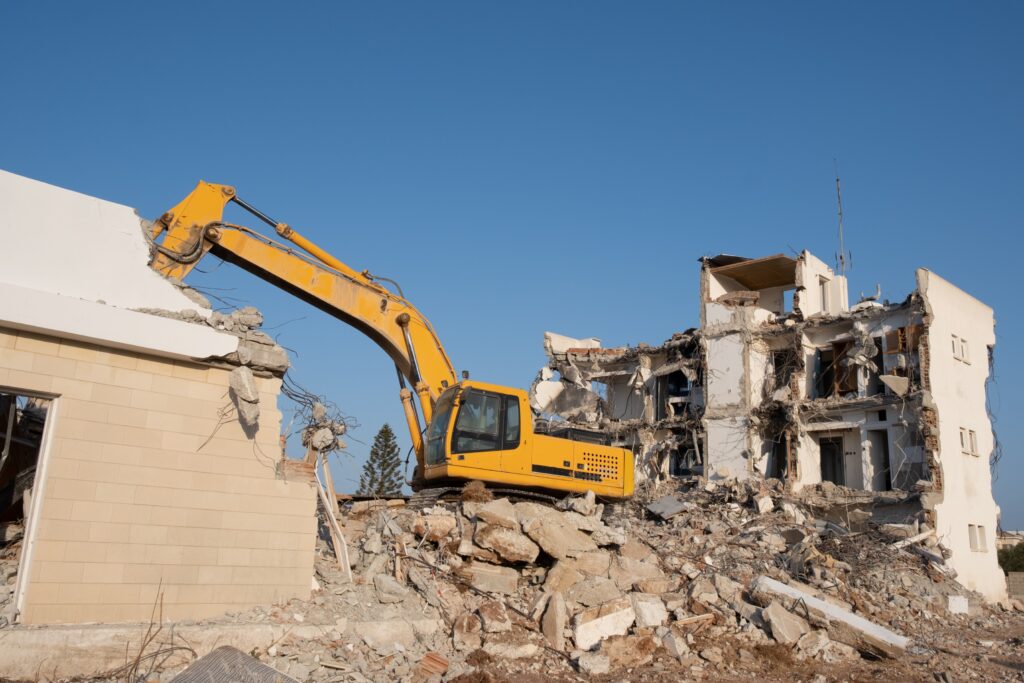
Before exploring the array of options, assess your demolition needs. Identifying the specific requirements of your project is the first step in choosing the right excavator. Key factors to consider include the size of the project, the materials involved, and the specific tasks you need to accomplish.

Think about the scale of your demolition work. Are you tackling a small residential project or a large industrial site? The size of the project determines the type of excavator needed, with smaller jobs favouring compact excavators. For larger demolition tasks, you’ll need equipment that offers high stability and strong hydraulic power to handle reinforced structures.

Don’t forget to consider the site layout. The right demolition excavator must be reliable and versatile, capable of manoeuvring through various materials and adhering to safety requirements. Thoroughly evaluating these factors will help you select the right equipment and the right demolition equipment for your project.

Understanding Excavator Types and Sizes
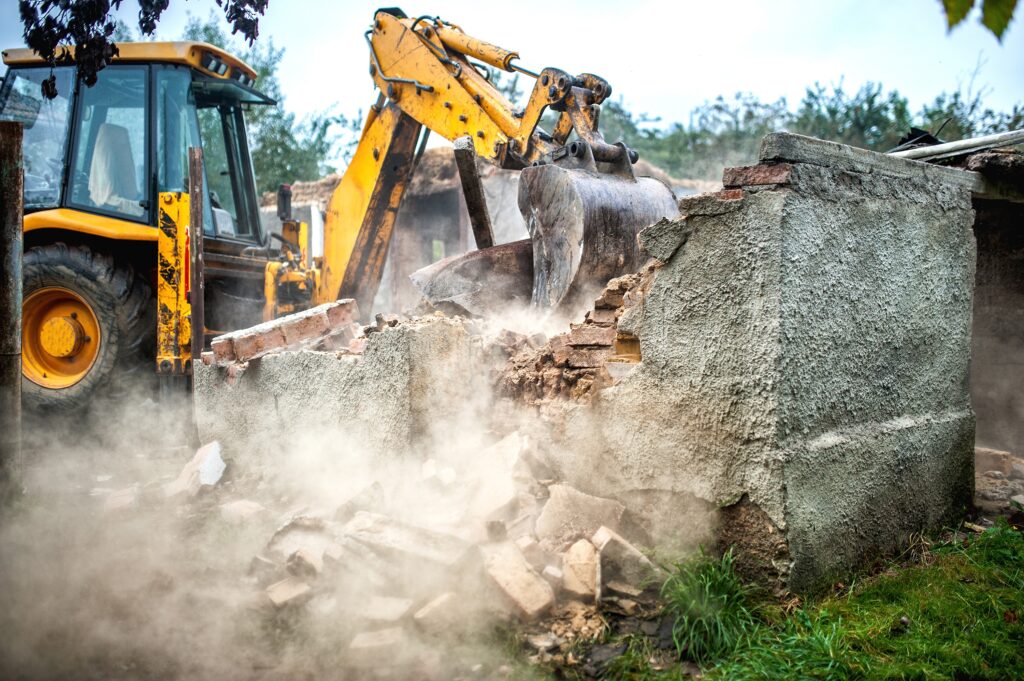
Choosing the correct size and type of excavator ensures smooth operation and helps avoid costly mistakes. Excavators range from 1-ton mini models to 90-ton giant machines, each suited for different demolition tasks. Grasping these differences can make all the difference in selecting the appropriate equipment.

Here are the primary categories of excavators to guide your decision-making:

Mini Excavators (1–6 tons)

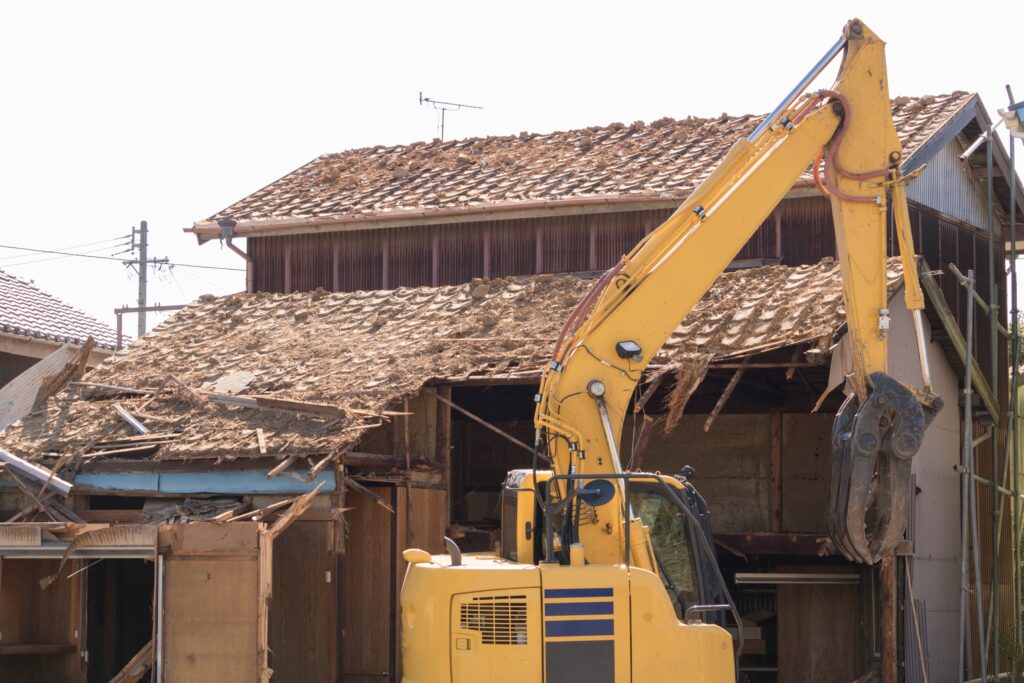
Mini excavators are a marvel in confined spaces. Their exceptional agility allows them to navigate narrow or congested areas with ease. Reduced tail swing models and compact excavators are ideal for limited access areas, making them a perfect choice for urban environments and small-scale demolition projects.

These lightweight machines are not only efficient but also versatile. They can be equipped with various attachments, such as hydraulic breakers, to enhance their capabilities. Whether it’s working in tight corners or delicate demolition tasks, mini excavators prove to be indispensable tools in the construction site arsenal.

Standard Excavators (7–45 tons)

Standard excavators, ranging from 7 to 45 tons, offer a balance between power and flexibility. Key points include:

  • Brands like John Deere and Komatsu are notable in this category.
  • Their versatility makes them ideal for medium-sized demolition projects.
  • They provide both power and manoeuvrability required for such tasks with a standard excavator.

These machines can handle a variety of tasks, from breaking concrete to handling debris. Their adaptability allows them to be equipped with different attachments, enhancing their utility in diverse demolition scenarios. Standard excavators are the go-to choice for contractors looking for a reliable and versatile workhorse.

Large & Specialized Excavators (45+ tons)

Large and specialised excavators excel in serious demolition tasks. They are:

  • Designed to handle multi-storey and industrial buildings
  • Built for heavy-duty work
  • Preferred in brands like Liebherr for their robust construction and reliability
  • Effective in tackling reinforced concrete and steel structures

These powerful excavators come with features such as extra counterweight and durable machines built to withstand the rigours of large-scale demolition. For example, their capability to handle the toughest, robust materials makes them indispensable for many contractors dealing with extensive demolition projects.

High Reach vs. Long Reach Excavators
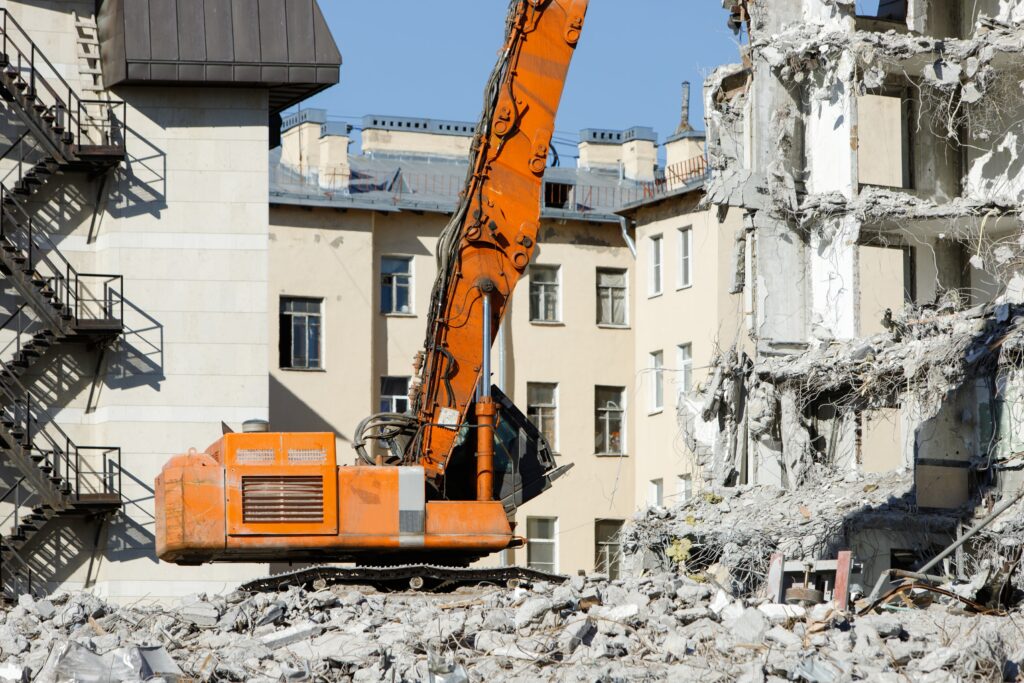
Choosing between high-reach and long-reach excavators depends on the specific needs of your project. High-reach excavators are designed for vertical demolitions, making them perfect for deconstructing tall structures safely. These machines come with high-reach booms that can extend up to 18 meters, allowing for precise and safe demolition from heights.

On the other hand, long-reach excavators excel in tasks requiring extended horizontal reach. They are suitable for deep excavation projects and provide a balance of power and efficiency, making them cost-effective for heavy-duty tasks. Super long reach models offer even greater reach, enhancing their utility for challenging jobs.

1. Importance of Boom Configuration

The boom configuration of an excavator directly influences its reach and precision during demolition tasks. Two-piece booms offer several advantages:

  • Enhanced flexibility allows operators to work efficiently in constrained spaces.
  • Parallel digging capabilities result in cleaner trenches.
  • Reduced operator fatigue due to improved design.

Selecting a boom requires consideration of the working environment to maintain safety and productivity. The stability of a demolition rig, featuring wider track frames and greater counterweights, is crucial for safe high-reach operations. The right boom configuration significantly impacts the efficiency and safety of demolition.

2. Selecting the Right Attachments

Attachments are the unsung heroes of demolition work. Specialised attachments include:

  • Hydraulic breakers and shears are essential for executing demolition tasks effectively with the right tools.
  • Dedicated shear attachments are designed to cut through metal and other tough materials with precision.
  • Multi-quick processors, which can handle various materials, allow for efficient recycling during demolition.

A combination of attachments greatly enhances the versatility of excavators in demolition projects. Evaluating the weight capacity and hydraulic flow is critical in determining compatibility. Consulting with your equipment provider for fitment specifications guarantees you have the appropriate tools for the job.

3. Evaluating Safety Features

Safety features in demolition excavators are paramount. These include:

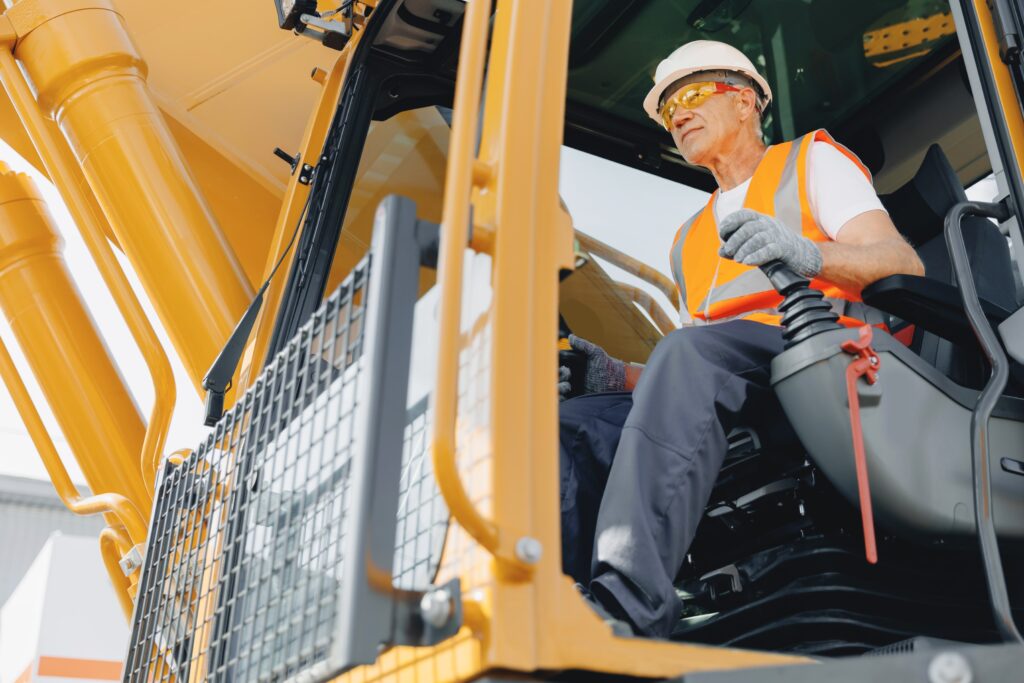
  • Reinforced cabins for operator protection during demolition
  • Improved visibility to enhance safety
  • Purpose-built machines that provide proper guarding, full support, and reinforced frames
  • A tilting cab feature that offers operators a better view, improving safety during operations

The stability of a long-reach excavator can be affected by its extended boom, especially during full extension and can significantly impact stability under various operating conditions. A large footprint undercarriage and hydraulic extendable undercarriage enhance stability.

Site safety measures, such as barriers and site delimitations, are equally important to protecting workers and passersby during demolition.

4. Renting vs. Owning an Excavator
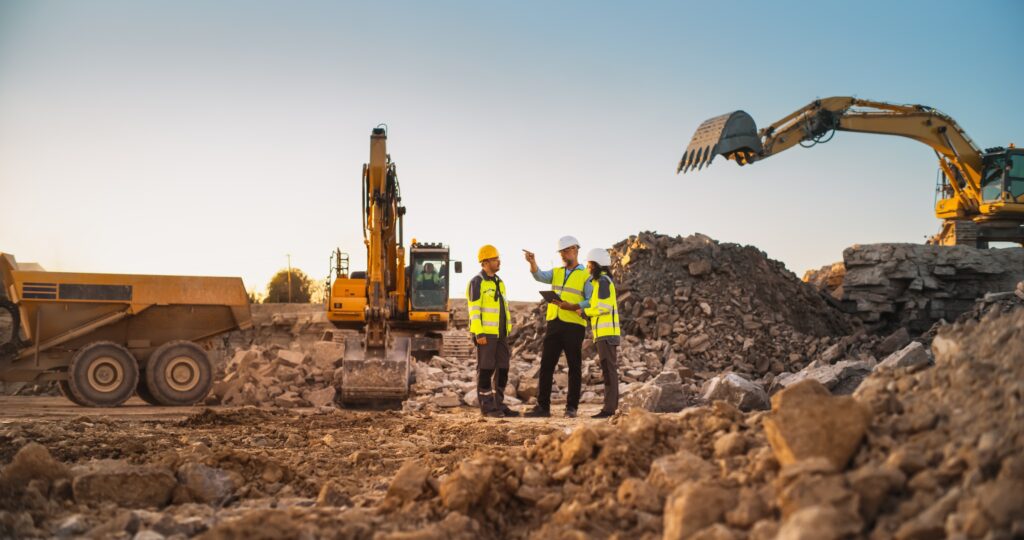
Deciding whether to rent or own a demolition excavator depends on your project’s duration and budget. Renting benefits short-term projects with:

  • Lower upfront costs and no long-term financial commitment
  • Maintenance responsibilities are typically handled by rental companies, reducing the burden for renters
  • Flexibility to select various types of excavators based on specific project needs

However, long-term rental expenses can accumulate and may surpass the total cost-effectiveness of purchasing an excavator. High-demand periods could limit the availability of rental excavators, impacting project timelines.

Owning an excavator can lead to long-term savings despite a higher initial investment due to the removal of ongoing rental fees. Additionally, owning equipment allows for tax benefits through depreciation, which can help manage operating costs.

5. Considering Transport and Accessibility

Transporting and accessing construction sites with excavators can pose unique challenges:

  • Larger excavators often require special permits and escort vehicles for transport.
  • Transporting smaller excavators usually requires a specialised trailer.
  • Urban environments, with their restricted movement and tight spaces, present additional hurdles.

Compact and reduced tail swing excavators are particularly suited for navigating limited access areas. These machines can manoeuvre through confined spaces, making them ideal for urban demolition projects. Evaluating transport and accessibility factors is crucial for a smooth and cost-effective demolition process.

6. Technological Enhancements

Technological advancements have significantly impacted the demolition industry. Advanced technologies include:

  • Telematics, which provide real-time data on machine performance, enable more efficient management of demolition operations.
  • Remote control systems which improve operational efficiency and safety.
  • Load weighing systems, which enhance operational efficiency and safety.

Remote control systems allow operators to manage excavators from a safe distance, minimising risk in hazardous environments. Load weighing systems help ensure excavators are not overloaded, enhancing safety and operational efficiency while considering operating weight. AI and smart machinery integration enhances accuracy and reduces human error, increasing demolition project efficiency with intuitive controls and the right machine.

Kocurek’s Innovations in Demolition Equipment

Kocurek Excavators has been at the forefront of innovation in the demolition equipment industry. Specialising in advanced machines with telescopic booms and conventional three-piece high reach arms, Kocurek has tailored their equipment for specific demolition tasks. The weight range of base machines that Kocurek High Reach Demolition Equipment can be fitted to ranges from 25 to 85 tons.

Kocurek’s Telescopic Demolition Equipment achieves a working pin height that reaches up to 15.5 meters, making it ideal for high-reach demolition projects. Kocurek, the sole manufacturer of Telescopic Demolition Equipment, has set a high industry standard. Their innovations have made significant contributions to the efficiency and safety of demolition projects worldwide.

Summary

Choosing the right demolition excavator involves assessing your demolition needs, understanding excavator types and sizes, and considering factors like boom configuration, attachments, safety features, and whether to rent or own. Each aspect plays a crucial role in ensuring the success of your demolition project.

By following these must-know tips, you can make informed decisions that will enhance the efficiency, safety, and cost-effectiveness of your demolition work. Remember, the right equipment can make all the difference in achieving your demolition goals.

Frequently Asked Questions


What is the weight range of base machines that Kocurek High Reach Demolition Equipment can be fitted to?


Kocurek High Reach Demolition Equipment can be fitted to base machines weighing between 25 and 85 tons. This range ensures compatibility with various demolition tasks.


What is the working pin height range for Kocurek High Reach Demolition Equipment?


The working pin height range for Kocurek High Reach Demolition Equipment is 15.5 meters.


Who are the only manufacturers of Telescopic Demolition Equipment?


The only manufacturer of Telescopic Demolition Equipment is Kocurek.


What has Kocurek achieved with their Telescopic Demolition Equipment?

Kocurek has achieved a remarkable working pin height with their Telescopic Demolition Equipment, enhancing its capabilities for high-reach demolition tasks. This innovation allows for efficient operations in challenging environments.


What has Kocurek observed over the years in the demolition market?

Kocurek has observed that trends in the demolition market vary significantly based on geographical location. This indicates a complex and dynamic industry influenced by local factors.
Explore The Benefits of Long Reach Excavators

Long-reach excavators are essential for construction projects, offering extended reach, improved safety, and increased efficiency. These machines can easily access challenging areas and handle complex tasks. This article explores the major benefits of using long-reach excavators on your job sites.

Key Takeaways

  • Long-reach excavators offer enhanced reach and versatility, allowing for effective operation in challenging terrains and reducing the need for multiple equipment.
  • Their ability to boost productivity by covering larger areas without frequent repositioning leads to time and cost savings on construction projects.
  • Safety is improved with long-reach excavators as they enable operators to work from a safe distance, minimising risks associated with hazardous environments.

Enhanced Reach and Versatility

Long-reach excavators stand out due to their extended arms and booms, enabling them to reach farther and dig deeper than standard machines. Key features and uses include:

Long-reach excavators stand out due to their extended arms and booms, enabling them to reach farther and dig deeper than standard machines. Key features and uses include:

  • Reach capability ranging from 40 to over 100 feet
  • Ability to access challenging areas that would otherwise be out of reach
  • Suitability for tasks such as deep trenching, dredging, grading work, and boom operations.

One of the key advantages of long-reach excavators is their ability to access hard-to-reach areas. Whether it’s navigating through wetlands or working on steep inclines, these machines excel in diverse terrains. This versatility ensures that they can efficiently handle a variety of construction applications, from large-scale earthmoving and land reclamation to intricate infrastructure developments.

Imagine working on a bridge construction project where accessing certain areas is nearly impossible with standard equipment. Long-reach excavators can bridge that gap, literally and figuratively. Their ability to work from floating platforms and reach tall structures makes them invaluable for high-reach demolition and other complex tasks, maximising efficiency and enhancing productivity on the job site.

Moreover, these machines are designed to handle a wide range of materials, making them ideal for material handling and other challenging tasks. Their extended reach and versatility translate to fewer repositioning needs, which means projects can be completed more quickly and efficiently. The benefits of long-reach excavators are clear: they offer more power, precision, and the ability to tackle projects that would otherwise require additional equipment.

Improved Productivity

Long-reach excavators are a game-changer when it comes to boosting productivity on construction projects. Their ability to cover larger areas without the need for frequent repositioning means tasks can be completed faster, contributing to enhanced productivity on the job site. This is especially beneficial for project managers who are always looking for ways to save money and maximise efficiency.

Long-reach excavators are a game-changer when it comes to boosting productivity on construction projects. Their ability to cover larger areas without the need for frequent repositioning means tasks can be completed faster, contributing to enhanced productivity on the job site. This is especially beneficial for project managers who are always looking for ways to save money and maximise efficiency.

These specialised machines are designed for continuous operations, which significantly reduces downtime during excavation activities, allowing operators to work faster and more efficiently with long-reach excavators, speeding up project timelines and reducing overall costs. Their multifunctionality also means that they can perform various tasks such as digging and lifting without the need for additional machinery, further enhancing overall project efficiency.

Long-reach excavators are also highly usable across diverse construction sites, including those with challenging terrains. This versatility ensures that they can meet various project needs, making them an indispensable asset for many construction projects. The ability to work faster and more efficiently not only leads to lower costs but also contributes to reducing downtime and saving time, ensuring that projects are completed on schedule.

Increased Safety

Safety is a paramount concern on any construction site, and long-reach excavators excel in this area. One of the key advantages of these machines is their ability to allow operators to work from a safe distance, minimising the risks associated with hazardous work sites. This extended reach capability means that operators can perform tasks without being directly exposed to potentially dangerous environments, significantly enhancing jobsite safety.

In demolition projects, long-reach excavators provide the advantage of safe demolition from a distance. This reduces the risk to both the machine and operator while ensuring the demolition process is efficient and safe. In waste management operations, these machines can sort and compact materials from a safe distance, further enhancing worker safety and reducing the risk of accidents. Additionally, working from various distances allows for greater flexibility in handling different tasks.

The safety benefits of long-reach excavators are significant. These machines allow operators to work from a safe distance, reducing the risk of accidents and enhancing overall job site safety. This focus on safety, combined with their other capabilities, makes long-reach excavators an essential piece of equipment for any construction project.

Cost Savings

One of the most compelling reasons to invest in long-reach excavators is the significant cost savings they offer. These machines are designed to perform work that would typically require multiple pieces of equipment, thereby reducing overall project costs. Their ability to operate effectively in challenging areas also leads to reduced project expenses, making them a cost-effective choice for many construction projects.

The initial investment in long-reach excavators might be higher. However, the long-term benefits significantly outweigh the costs. These machines offer lower operating costs over time, thanks to their enhanced productivity and efficiency. By reducing the need for additional equipment and minimising downtime, long-reach excavators contribute to significant cost savings throughout the project lifecycle.

The overall cost savings associated with long-reach excavators are a testament to their efficiency and effectiveness. By enabling projects to be completed more quickly and efficiently, these machines not only save money but also ensure that project timelines are met. The benefits of long-reach excavators extend beyond just cost savings; they also contribute to enhanced productivity, safety, and overall project success.

Precision and Control

Long-reach excavators offer unparalleled precision and control, making them ideal for specialised tasks. Their extended reach allows operators to achieve the accuracy needed to complete tasks such as utility installation and material excavation. This precision is particularly valuable in sensitive projects where disturbing the surrounding environment needs to be minimised.

In tight spaces, the longer arms of these machines facilitate the precise execution of excavation tasks, ensuring that the work is done accurately and efficiently. Whether it’s landscaping, clearing sediment from waterways, or shaping landscapes, long-reach excavators provide the control needed to complete these delicate operations successfully. Their ability to perform with such precision makes them an indispensable tool for complex and sensitive construction projects.

Environmental Benefits

Environmental considerations are becoming increasingly important in construction projects, and long-reach excavators are designed with this in mind. These machines reduce ground disturbance and minimise the environmental impact compared to standard excavators. Their ability to operate from a distance means less disruption to the surrounding environment, making them an eco-friendly choice for many projects.

For projects involving sensitive ecosystems, such as dredging rivers or working on steep slopes, long-reach excavators offer significant advantages. By working from the water’s edge or other obstacles, these machines reduce the need for heavy machinery in fragile environments, thereby minimising the footprint of construction activities. This capability ensures that construction projects can be carried out in an environmentally responsible manner, enhancing fleet management practices through slope grading.

The benefits of long-reach excavators extend beyond just reducing ground disturbance; they also enable effective work in sensitive areas without causing harm to the environment. This makes them an essential tool for construction companies committed to sustainability and eco-friendly operations, providing a significant benefit.

Lower Maintenance Costs

Long-reach excavators are known for their robust construction, which often results in lower maintenance costs. Their durable design means that they can withstand the rigours of heavy use, reducing the need for frequent repairs and maintenance. This not only saves money but also ensures that the machines remain operational for longer periods, contributing to overall project efficiency.

Regular maintenance is crucial. It ensures that long-reach excavators operate at their best. By following a regular maintenance schedule, operators can ensure the longevity of these machines, resulting in lower maintenance costs over time. This proactive approach to maintenance ensures that the excavators remain reliable and efficient throughout their lifespan, ultimately reducing fuel consumption.

The lower maintenance costs associated with long-reach excavators are a significant advantage for construction companies. By investing in these machines, companies can save money on repairs and maintenance, while also benefiting from enhanced productivity and efficiency. The durable design and cost-effective operation of long-reach excavators make them a valuable asset for any construction project.

Selecting the Right Long Reach Excavator

Choosing the right long-reach excavator is crucial for maximising efficiency and safety on the job site. Assessing project requirements and understanding machine size are essential steps in this process. Selecting an excavator tailored to project needs ensures effective and efficient performance.

Different attachments and other attachments can greatly affect the capabilities of long-reach excavators. For instance, specialised attachments can make these machines suitable for tasks such as high-reach demolition or deep excavation projects. Understanding the requirements of the project and selecting the appropriate attachments will ensure that the excavator can meet the specific demands of the job.

Consider factors like proximity to service centres and brand reputation when choosing a long-reach excavator. Considering these factors helps construction companies choose a machine that meets project requirements while offering reliable performance and easy maintenance. Selecting the right long-reach excavator is a critical step in ensuring the success of construction projects.

Summary

In summary, long-reach excavators offer a multitude of benefits for construction projects. From their enhanced reach and versatility to improved productivity and safety, these machines are designed to meet the diverse needs of modern construction. They provide significant cost savings, precision and control, and even environmental benefits, making them an indispensable tool for any construction company.

The key to maximising the benefits of long-reach excavators lies in selecting the right machine for the job. By assessing project requirements, understanding machine size, and considering factors such as attachments and service centre proximity, construction companies can ensure that they choose the best excavator for their needs. With their many advantages, long-reach excavators are set to continue playing a vital role in the construction industry.

Frequently Asked Questions


What is the maximum reach capability of long-reach excavators?


The maximum reach capability of long reach excavators can extend from 40 feet to over 100 feet, depending on the specific model and design features. This extensive reach enables operators to perform tasks in challenging environments effectively.


How do long-reach excavators contribute to cost savings?


Long-reach excavators contribute to cost savings by reducing the need for multiple machines and lowering operating costs while minimising downtime. This efficiency leads to significant financial benefits for operations.


Why are long-reach excavators considered safer for operators?


Long-reach excavators are considered safer for operators because they enable work from a safe distance, thereby minimising exposure to hazardous environments and reducing the risk of accidents.


How do long-reach excavators benefit the environment?


Long-reach excavators benefit the environment by reducing ground disturbance, minimising environmental impact, and enabling work in sensitive areas without causing harm. Their design facilitates environmentally conscious operations, leading to more sustainable project outcomes.


What should be considered when selecting a long-reach excavator?


When selecting a long-reach excavator, it is essential to assess project requirements, understand the machine size, and consider attachments and the proximity of service centres to ensure the excavator meets specific needs. This careful evaluation leads to more efficient project execution and reduced downtime.

Top Benefits of Using Teledipper Excavators on Construction Sites

Teledipper excavators are game-changers for deep excavation projects. They offer significant advantages over standard excavators, such as reaching greater depths and operating with precision in tight spaces. This article examines the key teledipper excavator benefits, including enhanced efficiency, improved safety, and diverse applications on construction sites.

Key Takeaways

  • Teledipper excavators offer deep excavation capabilities up to 140 feet, providing increased precision and efficiency for construction projects.
  • Their advanced hydraulic systems and telescopic boom design enhance operational efficiency and extend reach, making them ideal for a variety of applications, particularly in confined spaces.
  • Regular maintenance and proper operator training are essential for optimal performance of teledipper excavators, ensuring safety and reducing operational downtime.

Enhancing Deep Excavation Capabilities

Teledipper excavators stand out in the realm of deep excavation, offering capabilities that far surpass those of standard excavators. These machines can reach depths of up to 140 feet, making them indispensable for projects that involve extensive trenching and foundation work. Such depth capabilities are not just about digging deeper but also about doing so with enhanced precision and control, which is crucial for maintaining safety and effectiveness on-site.

The advantage of these excavators lies in their ability to perform deep excavation tasks efficiently, significantly reducing the time and labour traditionally required for such projects. The specialised design of teledipper excavators, including their telescopic booms and advanced hydraulics, enables them to reach greater depths with ease, making them a preferred choice for construction professionals worldwide.

High Precision in Confined Spaces

One of the standout features of teledipper excavators is their high precision in confined spaces. The innovative design, featuring multi-stage expansion and folding mechanisms, allows these machines to operate effectively even in the tightest of spaces. This compactness does not come at the expense of performance; rather, it ensures that deep excavation can be carried out with enhanced precision, reducing the risk of errors and accidents.

Operating in confined spaces demands a level of control that only specialised equipment like teledipper excavators and additional equipment can provide. These machines are engineered to navigate hard-to-reach areas with ease, making them ideal for urban construction sites where space is often limited.

The cutting-edge technology integrated into these excavators ensures that they can perform with remarkable accuracy, even in the most challenging conditions.

Versatility Across Various Applications

The versatility of teledipper excavators extends across a wide range of applications, making them a valuable asset in numerous industries. From construction and mining to dredging, these machines are designed to handle various tasks with optimal performance. The increasing demand for infrastructure projects and advancements in attachment technologies have further driven the adoption of teledipper excavators.

Their adaptability is particularly evident in tasks such as metro station construction and canal clearance, where the unique challenges of each project necessitate a flexible and efficient solution. The advanced features of teledipper excavators, including their extended reach and load capacity, enhance productivity and ensure that these machines can meet the demands of modern construction projects.

Significant Advantages Over Standard Excavators

When it comes to deep excavation tasks, teledipper excavators offer significant advantages over standard models. Their ability to provide increased reach and flexibility makes them ideal for projects that require extensive digging and manoeuvring in varied conditions. Unlike standard excavators, teledipper models excel in deep excavation, achieving remarkable reach and precision in tight spaces.

These specialised machines are equipped with advanced hydraulics, which allow for precise control during operation and enable them to outperform standard excavators in demanding tasks. The robust performance and versatility of teledipper excavators make them a preferred choice for a range of applications, from urban development to mining and disaster recovery.

Extended Reach and Greater Depths

Teledipper excavators are renowned for:

  • Their extended reach, achieving a maximum of up to 65 feet or more
  • Their ability to access greater depths, often unattainable with standard excavators
  • Enhanced effectiveness in deep excavation tasks
  • Allowing operators to access hard-to-reach areas, such as deep trenches and underground spaces, with ease

Compared to standard excavators, which typically have a maximum reach of 20 to 40 feet, teledipper excavators offer unparalleled flexibility and adaptability:

  • Ultra-long reach models can extend up to 95 feet, making them ideal for challenging environments where depth and precision are crucial.
  • The telescopic boom design allows adaptation to varying depths.
  • This design further enhances the productivity and safety of these machines.

The extended reach and depth capabilities of teledipper excavators not only improve productivity by reducing the need for frequent repositioning but also enhance safety by allowing operators to work from a safer distance. This makes them an invaluable tool for projects that require precise and efficient deep excavation.

Improved Operational Efficiency

Operational efficiency is a critical factor in the success of any construction project, and teledipper excavators excel in this regard. These machines are designed for faster cycle times, which leads to reduced excavation costs and improved overall productivity. The productivity gain from using telescopic excavators compared to traditional methods can be as high as 30%.

The design of teledipper excavators, featuring a compact build and advanced hydraulic systems, ensures smooth operation and maximum efficiency. Smart technologies, such as GPS and IoT, further enhance operational efficiency by enabling real-time monitoring and predictive maintenance, reducing downtime and operational costs.

The use of interchangeable attachments also increases the adaptability and multifunctionality of these machines, making them a choice for various construction tasks with greater versatility.

Enhanced Safety Features

Safety is paramount in any construction project, and teledipper excavators are equipped with advanced features to ensure the well-being of operators and workers on-site. Modern excavators come with collision detection systems and 360-degree cameras, significantly improving safety and reducing the risk of accidents.

Remote control technology allows operations to be conducted from a safe distance, further enhancing operational safety. Real-time face-monitoring systems and autonomous safety features, such as collision avoidance systems, can reduce accidents by almost 25%, making teledipper excavators some of the safest machines in the industry.

Regular safety drills and effective operator training also play a crucial role in maintaining a safe working environment.

Key Components and Cutting-Edge Technology

The advanced components and cutting-edge technology integrated into teledipper excavators are what set them apart from standard models. The telescopic boom structure, with its adaptability for various excavation heights and depths, plays a crucial role in the versatility and efficiency of these machines. Modern teledipper excavators utilise a patented gravity extend system, which significantly reduces the number of components and enhances reliability.

These excavators also boast a material handling capacity of up to 1.5 cubic yards in dredging projects, showcasing their strength and durability in demanding environments. The combination of these key components and advanced technology ensures that teledipper excavators can meet the diverse needs of modern construction projects.

Telescopic Boom Design

The telescopic boom design is one of the most critical aspects of teledipper excavators. This feature allows the boom to extend and retract using hydraulic power, providing varying reach and depth during excavation tasks. Innovations in telescopic boom design, such as compactness, multi-stage expansion, and folding mechanisms, enhance the precision and versatility of these machines, including the telescopic dipper arm.

The structural design of the telescopic boom is engineered to withstand heavy-duty environments, with features like a sliding mechanism that allows for variable lengths, extending the maximum distance some models can achieve to an impressive 50 feet, making them suitable for a wide range of applications.

Hydraulic System Power

The hydraulic system is the powerhouse of the teledipper hydraulic excavator, providing the necessary power and precision for control and stability. Advancements in hydraulic technologies have optimised power distribution, improving the efficiency and effectiveness of these machines. The hydraulic system plays a crucial role in the smooth operation of teledipper excavators, enabling maximum reach and performance in various construction tasks.

The overall capabilities of teledipper excavators are significantly enhanced by their hydraulic systems, making them highly effective in demanding environments. The integration of better systems and control technologies ensures that these machines can operate efficiently, even under challenging conditions.

Specialised Attachments for Specific Tasks

The use of specialised attachments greatly enhances the functionality and versatility of teledipper excavators. Interchangeable attachments allow these machines to handle a broader range of applications, from deep trenching to material handling. Clamshell buckets, for example, can be used with teledipper excavators if they are compatible with the hydraulic system and attachment points, further expanding their capabilities.

Selecting attachments for long arm excavators requires careful consideration of their weight. This is important as it affects the machine’s balance and lifting capacity. This ensures that the excavators can operate effectively and safely, regardless of the specific tasks they are performing.

Practical Applications in Construction Projects

Teledipper excavators are invaluable in a variety of construction projects, thanks to their deep excavation capabilities and versatility. They are essential for foundation work and material handling, significantly enhancing construction efficiency. Hydraulic excavators play a significant role in infrastructure projects, including roadwork, pipeline laying, and demolition, due to their adaptability and strength.

These machines are particularly effective for underwater excavation tasks, enabling precise work in challenging conditions. The ability to perform very deep trenching and excavation in narrow spaces makes teledipper excavators ideal for specialised tasks in construction projects.

Urban Construction Sites

Urban construction sites often pose unique challenges, such as limited space and the need for deep excavation. Teledipper excavators are well-suited for these environments, providing greater reach and the ability to navigate constrained workspaces effectively. These machines help optimise workflows in urban areas where space is at a premium, allowing for more efficient and timely project completion.

Their ability to perform deep excavation tasks with precision and control makes teledipper excavators an invaluable asset in urban construction projects. Whether it’s foundation work or material handling, these machines ensure that projects are completed safely and efficiently.

Civil Engineering Projects

In civil engineering projects, teledipper excavators play a crucial role in improving overall safety and efficiency. Their key aspects include:

  • Essential for projects requiring deep foundation work due to their advanced features and precision, ensuring tasks are completed accurately and safely.
  • Utilised in a wide range of projects, including construction, landscaping, and infrastructure.
  • Valued for their versatility and strength.

Excavators are particularly important in infrastructure projects such as airport expansions and urban subway systems, where precision and efficiency are paramount. The integration of new technologies, like GPS, has further improved the precision of these machines, reducing construction time and operational costs.

Underwater Excavation

Teledipper excavators are indispensable tools for underwater excavation projects, enabling precise and efficient work in challenging conditions. These machines can perform precise excavative tasks underwater, making them essential for projects like pipeline installation. The ability to manage different environmental challenges and perform precise cuts makes teledipper excavators invaluable for underwater operations.

Using teledipper excavators in underwater settings enhances efficiency and safety, particularly in complex projects. Their advanced features and capabilities ensure that underwater excavation tasks are completed accurately and effectively, reducing the risk of errors and accidents.

Maintenance and Best Practices for Optimal Performance

Maintaining optimal performance for teledipper excavators requires regular inspections and servicing. These machines are complex and rely on advanced technology, so consistent upkeep is crucial to ensure they operate efficiently and safely. Scheduled maintenance checks can identify potential problems before they lead to costly breakdowns, helping maintain operational reliability and extend the machine’s lifespan.

Key aspects of regular servicing for teledipper excavators include:

  • Routine cleaning and checking hydraulic connections for leaks
  • Maintaining cleanliness to prevent dirt and debris from affecting the operation
  • Utilising advanced hose management systems in hydraulic technology to reduce wear and tear
  • Promoting a longer operational life for components
  • Enhancing overall productivity

Regular Inspection and Servicing

Regular inspections are critical in identifying potential issues before they escalate, ensuring the operational reliability of teledipper excavators. During maintenance, it is important to check hydraulic fluid levels, telescopic arm wear, and attachment security to prevent any operational disruptions. Maintaining the machine’s cleanliness is essential. Additionally, addressing issues promptly can enhance its lifespan and efficiency.

Companies that utilise telematics-assisted maintenance practices can achieve up to a 15% reduction in downtime, highlighting the benefits of effective maintenance strategies. This proactive approach not only enhances productivity but also contributes to the overall safety and reliability of the equipment, demonstrating its cost-effectiveness.

Operator Training and Safety Protocols

Proper training is essential for the safe operation of teledipper excavators, especially when operating long-arm excavators at maximum reach. Adherence to safety protocols minimises risks during excavator operation, ensuring that both the operators and the job site remain safe. Regular safety drills and comprehensive training programs enhance the proficiency and confidence of operators, leading to safer and more efficient operations.

Understanding load limits and the specific capabilities of the excavator is crucial for preventing accidents and ensuring the equipment is used effectively. By investing in thorough training and emphasising safety protocols, companies can significantly reduce the risk of accidents and enhance the overall well-being of their workforce.

Selecting the Right Equipment for the Job

Choosing the right equipment for a specific job is critical to achieving optimal performance and efficiency. Assessing site conditions and specific project needs is the first step in selecting the appropriate teledipper excavator and attachments. Understanding the job site conditions, such as the terrain and space constraints, helps in making informed decisions about the equipment required.

Evaluating the terrain and project requirements ensures that the selected teledipper excavator can operate effectively and safely. This careful selection process not only enhances productivity but also ensures that the equipment is used to its full potential, leading to successful project outcomes.

Summary

Teledipper excavators are a game-changer in the construction industry, offering unmatched deep excavation capabilities, enhanced operational efficiency, and superior safety features. Their ability to reach greater depths and navigate confined spaces with precision makes them an invaluable asset for a wide range of construction projects. Whether it’s urban construction, civil engineering, or underwater excavation, these machines excel in delivering optimal performance and productivity.

By investing in teledipper excavators, construction companies can significantly enhance their project outcomes, reduce operational costs, and ensure a safer working environment. The advanced technology and specialised attachments further expand their versatility, making them a wise choice for modern construction needs. As we continue to push the boundaries of construction, teledipper excavators will undoubtedly play a crucial role in shaping the future of the industry, for more information on various types of excavators and their uses.

Frequently Asked Questions


What are teledipper excavators, and how do they differ from standard excavators?


Teledipper excavators are specialised machines with telescopic booms, enabling them to reach greater depths and work efficiently in confined spaces. They differ from standard excavators by excelling in deep excavation tasks while providing enhanced operational efficiency and safety features.


What are the key components of teledipper excavators?


The key components of teledipper excavators are the telescopic boom, advanced hydraulic system, and specialised attachments. These elements collectively enhance the machine’s versatility and performance in construction tasks.


How do teledipper excavators improve operational efficiency?


Teledipper excavators significantly enhance operational efficiency by leveraging faster cycle times, advanced hydraulic systems, and smart technologies such as GPS and IoT. These innovations lead to reduced excavation costs, minimised downtime, and improved overall productivity.


What maintenance practices are essential for teledipper excavators?


Regular inspections, checking hydraulic connections for leaks, routine cleaning, and scheduled servicing are essential maintenance practices for teledipper excavators. Implementing these practices early can prevent issues, ensuring optimal performance and longevity of the equipment.


How can companies ensure the safe operation of teledipper excavators?


To ensure the safe operation of teledipper excavators, companies should focus on providing thorough operator training, adhering to safety protocols, and implementing advanced safety features, such as collision detection systems. Regular safety drills are also essential for maintaining a high standard of operational safety.

What Makes a Plasma Cutting System So Effective? Let’s Explore

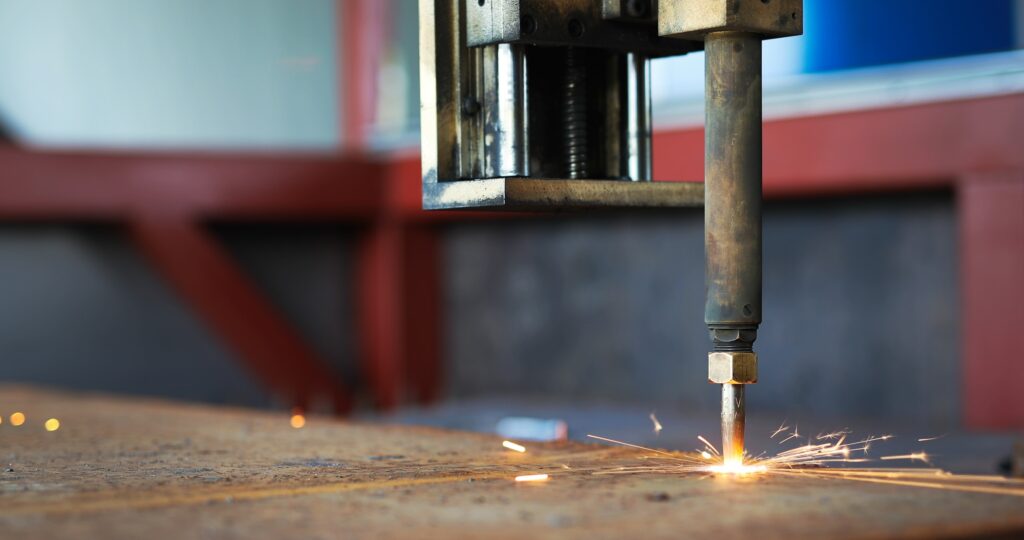
A plasma cutting system uses a jet of ionised gas to cut through metal. An electric arc ionises the gas, turning it into plasma that melts the metal. This article explains how a plasma cutting system works, detailing its components and the process involved.

A plasma cutting system uses a jet of ionised gas to cut through metal. An electric arc ionises the gas, turning it into plasma that melts the metal. This article explains how a plasma cutting system works, detailing its components and the process involved.

Key Takeaways

  • Plasma cutting utilises ionised gas at temperatures exceeding 20,000°C to efficiently slice through electrically conductive materials, with precision suitable for both thick and thin applications.
  • A plasma cutting system consists of key components such as the power supply, plasma torch, and various plasma gases, each playing a critical role in achieving high-quality cuts.
  • While plasma cutting offers advantages like speed, precision, and lower costs compared to other methods, it also presents safety challenges and requires proper training and precautions for operators.

Understanding Plasma and Its Role in Cutting

Plasma is often referred to as the fourth state of matter. It is formed when plasma gas is heated to extremely high temperatures, causing the atoms within the gas to split and electrons to separate from the nuclei. This ionisation process transforms the gas into plasma, a state that can conduct electricity and release vast amounts of energy, including the various parts of a plasma.

Plasma is often referred to as the fourth state of matter. It is formed when plasma gas is heated to extremely high temperatures, causing the atoms within the gas to split and electrons to separate from the nuclei. This ionisation process transforms the gas into plasma, a state that can conduct electricity and release vast amounts of energy, including the various parts of a plasma.

But why is plasma so effective for cutting? The answer lies in its properties:

  • The charged ions and free electrons within the ionised gas enable it to conduct electricity, which is crucial for cutting applications.
  • When the plasma is generated, it releases tremendous energy as electrons collide with ions, creating a powerful plasma jet that can slice through electrically conductive materials with ease.
  • The temperatures in plasma cutting can exceed 20,000°C, allowing it to melt through metal effortlessly.

In a plasma cutting system:

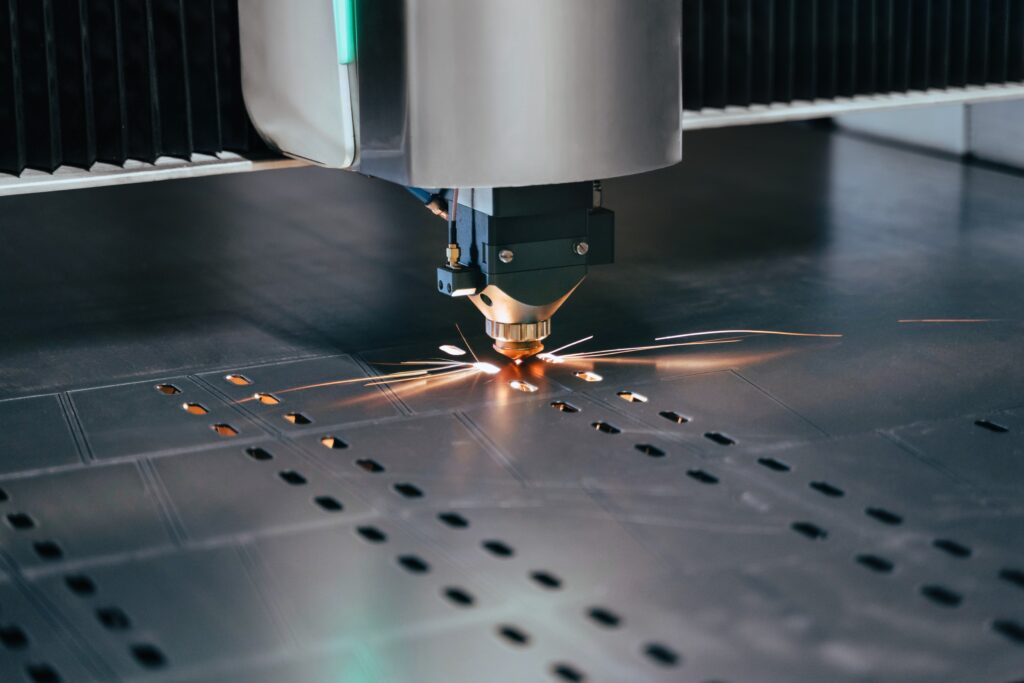
  • An electric arc is created between the cutter and the workpiece, ionising the gas and producing plasma.
  • This high-speed plasma jet is directed onto the material, melting it.
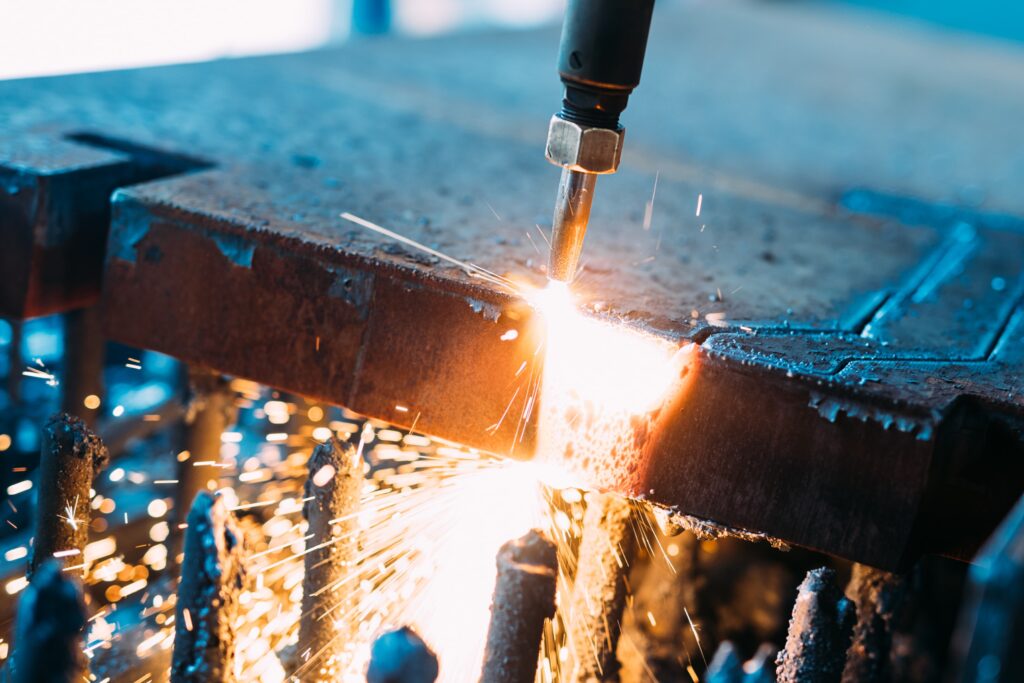
  • The compressed gas blows away the molten metal, resulting in a clean cut. Plasma cutters work by utilising these principles effectively. The plasma arc cutting process is an essential technique in modern fabrication.

The precision of this method makes it suitable for high-precision cutting of both thick and thin materials, especially when using a cutting tip.

The Core Components of a Plasma Cutting System

A plasma cutting system is composed of several vital components, each playing a crucial role in the cutting process. Understanding these components is essential for anyone looking to master the art of plasma cutting. The primary components include the power supply, the plasma torch, and the plasma gases.

The components involved in plasma cutting include:

  • The power supply provides the necessary electrical energy to create the plasma arc.
  • The plasma torch, containing electrodes, nozzles, and swirl rings, controls and directs the plasma arc.
  • The plasma gases, such as air, oxygen, nitrogen, and argon, are used to generate the plasma and assist in the cutting process.

Let’s delve into each of these components in detail.

Power Supply

The power supply in a plasma cutting system is the heart of the operation. It converts AC voltage to a stable DC voltage, which is crucial for maintaining a consistent and effective plasma arc. This conversion is essential because the plasma arc requires a steady and controlled flow of electricity to function correctly, making the control system vital for optimal performance.

The process begins with the power supply converting AC power from an outlet into DC voltage and current. This DC voltage is then used to generate the electric arc needed to create plasma. The stability of this voltage is vital as it ensures that the plasma arc remains consistent throughout the cutting process, providing precise and high-quality cuts.

Plasma Torch

The plasma torch is where the magic happens. Its primary function is to cut materials by controlling the plasma arc. The torch contains several key components, each playing a specific role in ensuring the efficiency and precision of the cutting process: plasma torches.

  • Electrodes
  • Nozzles
  • Swirl rings
  • Retaining cap

The electrode conducts the current to create and maintain the arc. The nozzle controls and directs the plasma arc, ensuring it is focused on the cutting area. The swirl ring stabilises the plasma column, protecting the nozzle from excessive heat and ensuring efficient cuts. The retaining cap keeps all these consumable parts aligned, ensuring a reliable arc.

Plasma Gases

The choice of plasma cutting gases significantly impacts the quality and efficiency of the cutting process. Commonly used gases include:

  • Air
  • Oxygen
  • Nitrogen
  • Argon. Each gas has its advantages and is selected based on the material being cut and the desired cut quality.

Economical Air is often used for cutting low-carbon steel due to its availability and speed. Nitrogen is preferred for cutting thick metals as it enhances cut quality and minimises oxidation.

Argon, being an inert gas, provides a stable arc and longer component life but can cause slag issues due to its high surface tension. Oxygen is used for high-temperature cutting but requires oxidation-resistant electrodes.

Initiating the Plasma Cutting Process

There are several key steps to begin the plasma cutting process. It is important to follow these steps carefully:

  1. Connect the system to a power source and gas supply.
  2. Properly ground the workpiece.
  3. Set the right amperage for the material being cut.
  4. In handheld systems, engage the trigger to initiate gas flow, which builds up pressure before creating the plasma jet.

Once everything is set up, the next step is to start the plasma arc. This can be done using various methods, which we will discuss in the next section. Ensuring all connections are secure and the setup is correct is crucial for effective and safe plasma cutting.

Arc Starting Methods

There are several methods to initiate the plasma arc in a cutting system. The high-frequency start method is one of the oldest and most cost-effective techniques. It uses high voltage and a high-frequency spark to ignite the plasma arc.

Another method is the pilot arc method, which involves creating a small, initial arc that does not require contact with the workpiece. This method prolongs the life of consumable parts by reducing wear.

The spring-loaded start method involves pressing the torch against the workpiece to create a short circuit, starting the arc and enabling non-contact cutting thereafter.

How Plasma Cutters Operate

The operation of plasma cutters is a fascinating process that combines high-tech engineering with simple physics. The cutting processes involve:

  • Generating plasma by sending an electric arc through a gas
  • Squeezing the plasma at high speed through a nozzle
  • Ionising the gas to create a plasma jet
  • Reaching temperatures close to 40,000°F with the plasma jet, this enables the plasma cutter to pierce through metal.

The process works as follows:

  • When the power is applied to the negative electrode, it generates a spark that heats the gas to create plasma.
  • As the gas flows through the nozzle, it forms a high-speed plasma jet directed onto the workpiece, melting the metal.
  • The high-temperature plasma arc melts the metal.
  • The high-speed gases blow away the molten material, resulting in a clean cut.

Additionally, a secondary shielding gas can be used to enhance the quality of cuts by further constricting the plasma arc. The gas flow through the torch not only promotes cooling but also directs the gas toward the cutting area, ensuring a consistent and high-quality cut.

Types of Plasma Cutting Systems

Plasma cutting systems come in various types, each suited for different applications and environments. Portable handheld plasma cutters offer:

  • Flexibility for fieldwork and small projects
  • Ideal use for DIY enthusiasts and small businesses
  • Ease of use
  • Portability to various locations

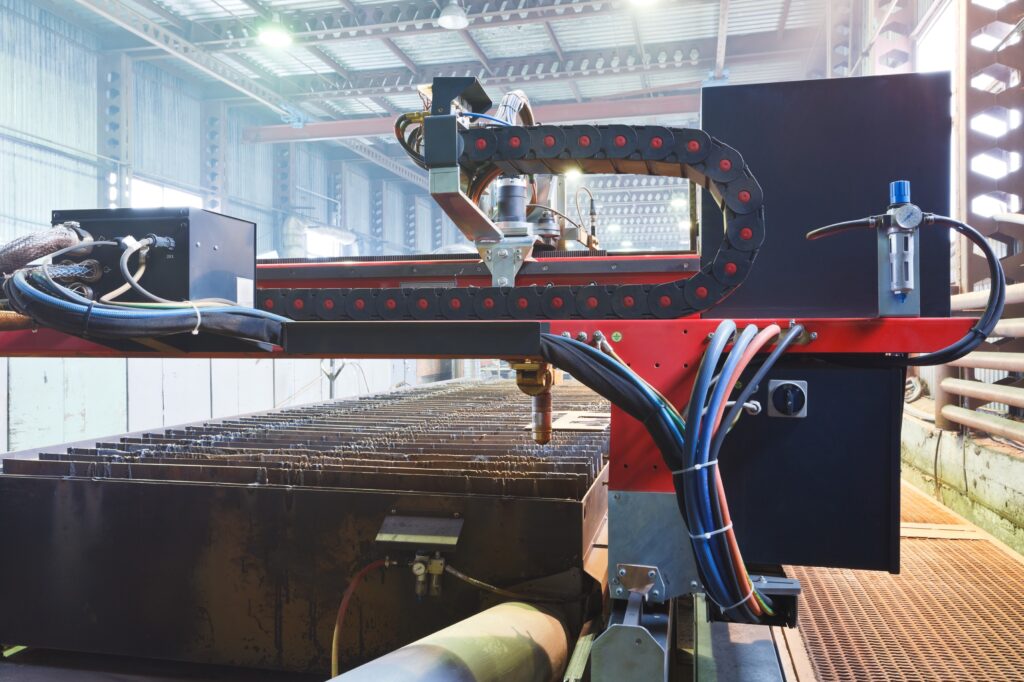
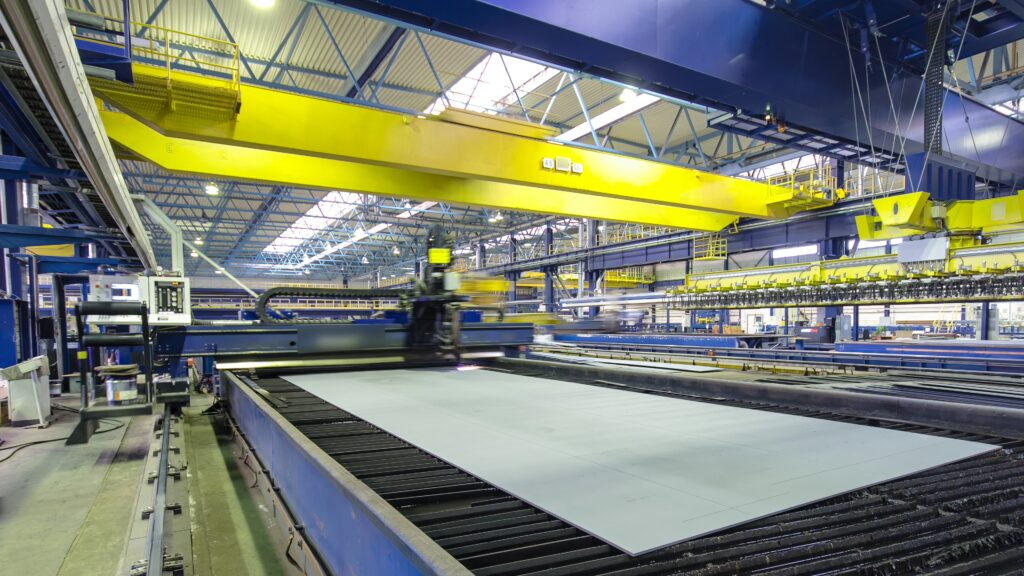
For more complex and precise cutting tasks, computer numerically controlled CNC plasma cutters are the go-to option. These automated systems allow for intricate and accurate cuts through computer programming.

Robotic plasma cutters enhance safety and efficiency by using robotic arms to perform cutting tasks, reducing human exposure to hazards. Additionally, 3D plasma cutting technology is gaining traction for its ability to cut along multiple axes, which is particularly useful in industries like architecture and automotive.

Materials Suitable for Plasma Cutting

Plasma cutting is effective for a wide range of electrically conductive metals, including:

  • Mild steel
  • Stainless steel
  • Aluminum
  • Brass
  • Copper Steel, particularly low-carbon steel, is the most commonly used material for plasma cutting due to its versatility and ease of cutting metals.

However, plasma cutting is limited to cutting conductive metals, meaning non-metals such as wood and plastic cannot be cut using this method. Aluminium and stainless steel require careful handling and specific gas selection to prevent warping due to their high thermal conductivity.

Despite these limitations, plasma cutting remains a versatile method for processing various metals.

Advantages of Using Plasma Cutting Systems

The advantages of plasma cutting systems are numerous:

  • Modern plasma cutters can regulate the current output, enhancing cutting precision.
  • They allow for finer and higher-quality cuts compared to conventional systems.
  • This precision makes plasma cutting ideal for detailed metal fabrication projects.

Plasma cutting offers several advantages:

  • Significantly improves productivity and reduces the time required for metal fabrication.
  • Quicker and more cost-effective for plates starting from 15 mm.
  • Generally, it is more affordable to install compared to other methods like laser cutting.
  • Lower operating and equipment costs make it a cost-effective option for fabricating materials like aluminium.

Additionally, plasma cutting offers:

  • Higher productivity
  • Versatility
  • Precision
  • Surface quality

These benefits make it a preferred method in various industries. The ability to produce high-quality cuts quickly and affordably is a significant advantage that makes plasma cutting systems indispensable in modern manufacturing and supports mass production.

Disadvantages and Challenges

While plasma cutting systems offer numerous benefits, they are not without their drawbacks. One of the main challenges is the generation of minimal waste, which, although economically sensible, still requires proper disposal and handling.

Safety concerns are also significant when using plasma cutters. The high-temperature plasma and exposure to harmful gases present risks that must be carefully managed to ensure the safety of operators. Proper training and safety measures are essential to mitigate these risks and ensure a safe working environment.

Comparing Plasma Cutting to Other Methods

When compared to other cutting methods, plasma cutting stands out for:

  • Its efficiency and speed
  • Significantly lowering production costs due to high efficiency and speed, making it cost-effective for many applications.
  • Reaching temperatures ten times higher than those in oxyacetylene cutting, allowing for faster cutting speeds

However, when it comes to cutting thinner materials, plasma cutting may not achieve the same precision tolerances as laser cutting. Laser cutting offers tighter tolerances and a smaller heat-affected zone, which can be crucial for specific applications.

On the other hand, plasma cutting is advantageous for operations involving reflective metals, which can be challenging for laser cutting. Despite its limitations, plasma cutting remains a versatile and efficient method, especially for thicker materials where laser cutting falls short. The choice between plasma cutting and other methods depends largely on the specific requirements of the project and the materials involved.

Applications of Plasma Cutting

Plasma cutting is employed in a wide range of industries due to its versatility and efficiency. In the automotive industry, it is used for customising and creating chassis and frames. Construction companies rely on plasma cutters to fabricate huge beams and metal-sheet goods, essential for building infrastructure.

The furniture industry also benefits from plasma cutting, using it to shape metal components for modern furniture designs. Artists find plasma cutting invaluable for creating intricate two-dimensional designs from metal sheets. The ability to cut reflective metals with ease makes plasma cutting a preferred method in industries that deal with such materials.

Plasma cutting is used for:

  • Shaping metal components for modern furniture designs
  • Creating intricate two-dimensional designs from metal sheets by artists
  • Cutting reflective metals with ease in various industries

The plasma cutting machine market is projected to grow significantly, indicating a trend towards increased efficiency and precision in cutting technologies. This growth underscores the importance of plasma cutting in modern manufacturing and its wide range of applications.

Recent Innovations in Plasma Cutting Technology

Recent innovations in plasma cutting technology have significantly enhanced its efficiency and precision. The introduction of high-definition plasma cutters in the 1990s marked a significant improvement in energy density, durability, and precision. These advancements have made plasma cutting more accessible and effective for various applications.

Modern plasma cutting technology features selectable pilot arc control modes, which optimise consumable life during cutting. Enhanced automation in plasma cutting leads to consistent and repeatable cutting results, thus improving overall efficiency.

The continued evolution of plasma cutting technology demonstrates an ongoing commitment to improving cutting speed, precision, and energy efficiency.

Summary

In summary, plasma cutting systems have revolutionised the metal fabrication industry with their speed, precision, and versatility. By understanding the science behind plasma and the core components of a plasma cutting system, we can appreciate how these systems operate and why they are so effective. From the power supply to the plasma torch and the various gases used, each component plays a critical role in the plasma cutting process.

As we’ve explored, plasma cutting offers numerous advantages, including higher productivity, cost-effectiveness, and the ability to cut a variety of materials. Despite some challenges, such as safety concerns and waste management, the benefits far outweigh the drawbacks. With ongoing innovations and a growing market, plasma cutting technology continues to advance, promising even greater efficiency and precision in the future.

Frequently Asked Questions


What materials can be cut using a plasma cutter?

Plasma cutters can efficiently cut various electrically conductive metals, such as mild steel, stainless steel, aluminium, brass, and copper. This versatility makes them valuable for a range of industrial and fabrication applications.


How does the power supply in a plasma cutting system work?


The power supply in a plasma cutting system converts AC voltage to a stable DC voltage, ensuring a consistent and effective plasma arc for optimal cutting performance. This conversion is vital for maintaining precision in the cutting process.


What are the safety concerns associated with plasma cutting?


Safety concerns associated with plasma cutting include the risk of burns from high-temperature plasma and exposure to harmful gases, which underscores the need for proper training and adequate safety precautions.


How do plasma cutters compare to other cutting methods, like laser cutting?


Plasma cutters are more efficient and cost-effective for cutting thicker materials, whereas laser cutting excels in providing tighter precision for thinner materials. Thus, the choice between the two depends on the specific requirements of the cutting task.


What recent innovations have been made in plasma cutting technology?


Recent innovations in plasma cutting technology feature high-definition plasma cutters, selectable pilot arc control modes, and improved automation, ensuring consistent and repeatable cutting results. These advancements significantly enhance efficiency and precision in various applications.

Material Handling Equipment: Is It Right for Your Business?

Material handling equipment includes tools and machines used to move, store, and manage goods. It ranges from simple hand trucks to complex conveyor systems. Understanding what material handling equipment is can help businesses improve efficiency and reduce costs. This article will cover the types of equipment available and their benefits.

Key Takeaways

  • Material handling equipment is essential for optimising supply chain efficiency, reducing costs, and enhancing safety across various industries, including warehousing, logistics, and manufacturing.
  • Understanding the different types of material handling equipment, such as storage systems, industrial trucks, and engineered systems, is crucial for businesses to choose the right solutions tailored to their operational needs.
  • Investing in material handling equipment improves operational efficiency, reduces labour costs, and enhances workplace safety, making it a strategic decision for improving overall productivity.

Understanding Material Handling Equipment

Material handling equipment refers to tools and devices used to move, lift, store, and manage materials. The primary goal of material handling is to ensure an efficient flow of products through the supply chain, enhancing overall operational efficiency. Specialised equipment helps businesses streamline processes, minimise delays, and reduce costs related to product movement.

Material handling principles aim to optimise workflow, ensure safety, and integrate handling systems. Grouping items into unit loads simplifies handling and reduces the time spent on manual tasks. Industries that rely heavily on these principles to maintain smooth operations include:

  • Warehousing
  • Logistics
  • Manufacturing
  • Healthcare

In warehouses, material handling equipment plays a crucial role in daily operations, from moving items and organising inventory to preparing shipments. Efficient practices help increase productivity, protect goods during storage and transit, and improve customer satisfaction. Selecting the appropriate equipment also enhances safety and reduces physical stress on workers.

Types of Material Handling Equipment

Material handling equipment encompasses a wide range of machines and tools designed to transport, process, store, or package materials. The primary categories of material handling equipment are:

  • Storage and handling equipment
  • Bulk material handling equipment
  • Industrial trucks
  • Engineered systems

Each type serves specific functions and applications, ensuring that various material handling tasks are completed efficiently.

The diversity of material handling equipment includes:

  • Forklifts
  • Conveyor belts
  • Shelving units
  • Hand trucks

The following sections delve deeper into each category, exploring its unique features and benefits. Understanding the different types of equipment will help you make informed decisions tailored to your business needs.

Storage and Handling Equipment

Storage and handling equipment are essential for organising and maximising space in commercial settings. These tools are primarily used to store products and materials for inventory or production purposes, including storage equipment. Examples include storage racks, pallet racks, and shelving units, which help keep items organised and accessible.

Maximising vertical and floor space, high-density storage and handling equipment improve warehouse operations and maximise space utilisation. This organisation not only improves workflow efficiency but also clears clutter, making it easier to locate and retrieve items quickly.

Overall, these systems play a vital role in maintaining efficient operations.

Bulk Material Handling Equipment

Bulk material handling equipment is designed to manage loose-form materials, including liquids, food, minerals, stones, rocks, and metals. These tools are essential for handling large quantities of bulk materials, which are often too heavy for standard forklifts.

Motorised methods are commonly used for the vertical or horizontal transportation of these materials, ensuring efficient material movement within both indoor and outdoor environments. Examples include conveyor systems, which streamline the handling of items like grains, rocks, and consumer packaged goods.

Automating the transportation of bulk materials enhances operational flow and productivity by streamlining processes.

Industrial Trucks

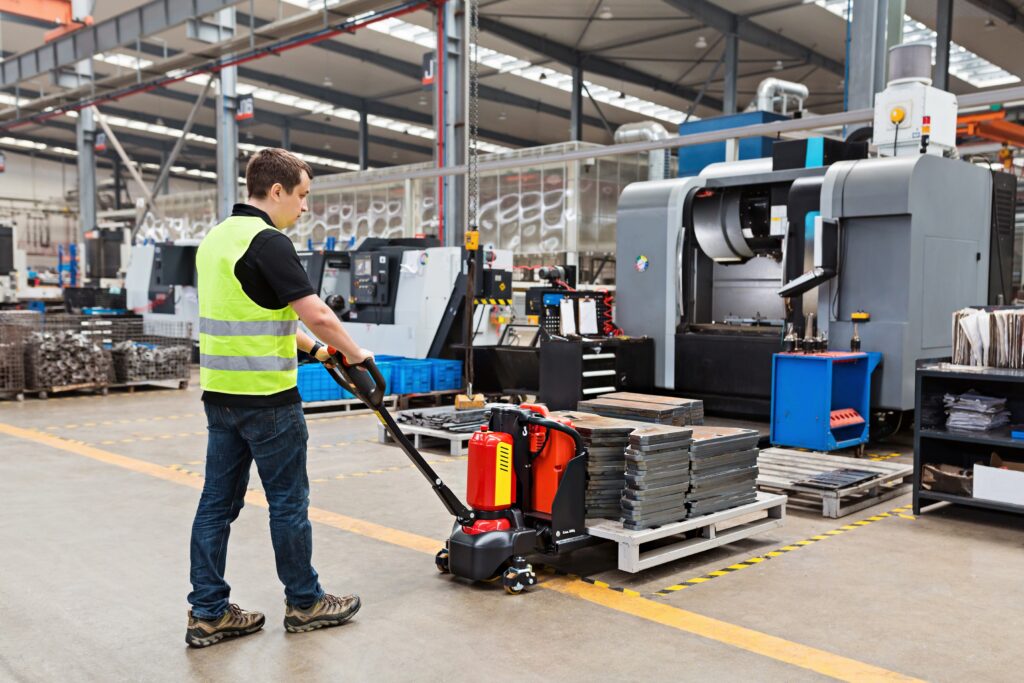
Industrial trucks, such as forklifts, pallet jacks, pallet trucks, and telehandlers, are crucial for transporting goods within warehouses and distribution centres. These vehicles come in various types, each with specific lifting capacities and height ranges to suit different material handling needs, including forklift attachments.

Pallet jacks, for example, can lift loads to 8 feet and support weights between 4,000 and 5,000 pounds. Sit-down rider forklifts are ideal for prolonged use and can lift to 20-25 feet with a weight capacity of 3,000-4,000 pounds. Telehandlers, on the other hand, can reach heights of 50-60 feet and handle weights from 6,000 to 14,000 pounds.

The versatility of industrial trucks makes them indispensable in managing material flow efficiently.

Engineered Systems

Engineered systems represent the pinnacle of automation in material handling. These systems use advanced technology to store and transport goods with minimal human intervention. Automated storage and retrieval systems (AS/RS), robotic delivery systems, and automated guided vehicles (AGVs) are examples of engineered systems that enhance operational efficiency.

One of the key benefits of engineered systems is their ability to relieve skilled employees of repetitive tasks, thereby reducing manual labour and improving productivity. These systems are typically controlled by sophisticated management software, ensuring seamless integration with basic storage and handling equipment.

As technology evolves, engineered systems continue to become more intelligent and complex, offering reliable material handling solutions for various industrial settings.

Benefits of Using Material Handling Equipment

Investing in material handling equipment offers numerous benefits that can transform your business operations:

  • An effective materials handling system shortens picking and transport time.
  • It enables real-time inventory control.
  • It streamlines the flow of goods.
  • By maximising storage space and reducing transportation and picking times, businesses can achieve significant cost savings and operational efficiency.

Moreover, material handling equipment enhances workplace safety by reducing the likelihood of injuries during material transport. Automated solutions boost accuracy and productivity, leading to improved inventory management and customer service.

In the following subsections, we will explore these benefits in greater detail.

Enhances Operational Efficiency

Material handling equipment significantly boosts operational efficiency by automating processes that would otherwise require manual labour. Automated systems, such as AGVs and automated storage and retrieval systems, maximise storage capacity and ensure efficient use of available space. These material handling systems streamline operations, enabling businesses to handle larger volumes of materials with greater speed and accuracy.

Evaluating current operations can identify areas to improve efficiency. By selecting equipment that fits within the available space and combining manual and automated systems, businesses can achieve greater operational flexibility and enhance productivity. This hybrid approach allows for adaptability to varying production needs, ultimately enhancing overall operational excellence.

Reduces Labour Costs

Material handling equipment helps reduce labour costs by decreasing the need for manual handling of heavy materials. Automated solutions streamline processes, allowing businesses to operate more efficiently without requiring additional workforce.

By investing in material handling equipment, companies can achieve significant cost savings while maintaining high levels of productivity and efficiency. This not only minimises operational costs but also ensures a more organised and streamlined production process, minimising costs overall. The reduction in manual labour also means fewer workplace injuries and a safer working environment for employees.

Improves Workplace Safety

Safety is a paramount concern in any industrial setting, and material handling equipment plays a crucial role in mitigating workplace hazards. Automated tools reduce the need for heavy lifting and repetitive movements, which are common causes of injuries. Minimising these risks ensures a safer working environment for employees engaged in manual material handling.

Proper use of material handling equipment also reduces fatigue among workers, preventing injuries and improving overall workplace morale. Enhanced safety measures contribute to better productivity and a more positive work environment, making material handling equipment a valuable investment for any business.

How to Choose the Right Material Handling Equipment

Choosing the right material handling equipment is crucial for optimising your operations. The process involves:

  • Understanding your specific operational tasks and requirements is the first step in making an informed decision.
  • Assessing current processes and identifying inefficiencies.
  • Selecting equipment that enhances productivity and cost-effectiveness.

Consider both operational efficiency and cost-effectiveness when selecting material handling equipment. Kocurek offers a range of solutions tailored to meet specific material handling needs, ensuring reliable performance across different projects.

In the following subsections, we will discuss the steps involved in choosing the right equipment for your business.

Assessing Your Needs

The initial step in implementing material handling solutions involves:

  • Assessing your current handling processes.
  • Reviewing internal data such as accident logs and production metrics to identify areas for improvement.
  • Understanding the specific tasks required in your operation aids in the selection of appropriate material handling equipment.

Material handling solutions facilitate a more organised workflow, allowing for quicker access to items and minimising lost time. Automated systems often require additional floor space due to their infrastructure needs, impacting layout decisions. Planning and adhering to guiding principles are essential for successful integration.

Considering Space and Layout

Effective material handling equipment should be compatible with the available warehouse layout. Optimising space utilisation is essential for maximising the efficiency of your operations. Adding a mezzanine can significantly increase available space, allowing for better organisation and storage.

Carefully considering your warehouse’s spatial dimensions helps in selecting equipment that enhances operational flow and productivity. This ensures that your material handling systems are not only effective but also efficiently integrated into your existing layout.

Balancing Automation and Manual Handling

Balancing automation with manual handling is crucial for maintaining flexibility and efficiency in your operations. Automation significantly increases operational efficiency by streamlining processes and reducing manual labour. However, a hybrid approach, combining automated and manual systems, allows businesses to adapt to varying production needs effectively.

For example, using robotic delivery systems to transport items to human workers for packaging combines the strengths of both autonomous mobile robots and manual handling, highlighting the importance of human effort. This balance ensures that you leverage the benefits of automation while retaining the adaptability and personal touch provided by manual handling.

Implementing Material Handling Solutions

Once you have selected the appropriate material handling equipment, the next step is implementation. Producing a detailed specification for the required equipment is essential for a smooth transition to mechanical handling solutions. This specification should outline the specific requirements and functionalities needed to meet your operational goals.

Ensuring proper training for your staff and integrating the new systems into your existing workflow are crucial steps in the implementation process. Following these steps ensures seamless integration and maximises the benefits of material handling solutions.

The Role of Kocurek Excavators Ltd in Material Handling

Kocurek Excavators Ltd is a leader in the design and manufacture of bespoke excavator equipment and modifications. Specialising in providing custom solutions, Kocurek enhances the application of excavators in various material handling scenarios. Their expertise ensures that businesses receive tailored equipment that meets their specific needs.

The company has been recognised with numerous industry awards for its innovative contributions to the materials handling equipment sector. By partnering with Kocurek, businesses can access reliable material handling systems that enhance their operational efficiency and productivity.

Summary

In conclusion, material handling equipment plays a pivotal role in modern business operations, enhancing efficiency, reducing costs, and improving safety. By understanding the different types of equipment—storage and handling equipment, bulk material handling equipment, industrial trucks, and engineered systems—you can make informed decisions tailored to your business needs. Whether it’s maximising warehouse space with storage racks or automating processes with advanced engineered systems, the right equipment can transform your operations.

Partnering with industry leaders like Kocurek Excavators Ltd ensures you have access to bespoke solutions that meet your specific material handling requirements. Their expertise and innovation in the field provide reliable and efficient systems that drive productivity and safety. Investing in the right material handling equipment is not just a decision for today but a strategic move for the future.

Frequently Asked Questions


What is material handling equipment?


Material handling equipment encompasses tools and devices designed for the movement, lifting, storage, and management of materials, thereby enhancing efficiency within the supply chain. This equipment is essential for improving operational workflows and ensuring effective material management.


What are the main types of material handling equipment?


The primary categories of material handling equipment include storage and handling equipment, bulk material handling equipment, industrial trucks, and engineered systems, each tailored to perform distinct material handling tasks. Understanding these categories is essential for optimising operational efficiency in any material handling process.


How does material handling equipment improve workplace safety?


Material handling equipment significantly improves workplace safety by reducing the need for manual lifting and repetitive movements, thereby minimising injury risks. This leads to a safer and more efficient work environment.


Why should I consider Kocurek Excavators Ltd for material handling solutions?


Kocurek Excavators Ltd offers customised excavator equipment and modifications, ensuring that their material handling solutions are specifically tailored to meet your operational needs. This specialisation can significantly enhance your efficiency and effectiveness in handling materials.


How do I choose the right material handling equipment for my business?


To choose the right material handling equipment for your business, assess your operational needs, consider your space and layout, and balance automation with manual handling. Understanding these factors will lead to selecting the most effective equipment.

October 2024 Update

October 2024 

Kocurek Excavators are pleased to continue our support of the World Demolition Summit 2024, and will be in attendance for the duration of the event. This year it is being held in Stockholm, Sweden on 6 & 7 of November.

Do make sure you come and say hi to the team, it’s always great to catch up with existing friends and clients as well as meeting new customers.

We wish all those shortlisted for the awards the best of luck!