

Key Takeaways
- Excavator sizes are usually classified by operating weight, from micro and mini excavators through midi excavators, standard excavators, and large excavators.
- Size affects dig depth, bucket capacity, reach, access, hire price, transport, fuel costs, and whether the machine can be operated safely on the job site.
- Choosing the wrong size excavator can add days to a construction project and significantly increase fuel consumption, haulage costs, and idle time.
- Compact excavators and cat mini excavators suit tight spaces and residential construction, while crawler excavators and larger excavators are better for bulk earthmoving, commercial projects, and infrastructure.
- This guide helps you hire according to project needs; for more details, see our full range of excavators and compare specs and sizes for common excavators.
Introduction: Why Excavator Size Matters On Every Job
On a busy work site, the wrong excavator is not just inconvenient. A machine that is too small can leave operators digging for days longer than planned. A machine that is too large can damage finished surfaces, struggle to easily manoeuvre around buildings, or require transport arrangements that delay the start of the excavation project.
Excavator size usually means three things: operating weight in tonnes, practical dig depth, and the excavator bucket size or bucket capacity. Those figures influence how much weight the machine can handle, how far it can reach, and how efficiently it can move excavated materials.
In simple terms, compact excavators are suited to driveways, landscaping projects, and small spaces. Mid-size excavators and medium excavators are versatile workhorses for foundations, utilities, and general construction. Large excavators, including long-reach excavators, are built to dig deeper, lift heavy materials, and tackle tough jobs in quarrying, demolition, and bulk cut-and-fill.
The aim is not to hire the biggest cat excavator available. It is necessary to choose the right excavator for the specific construction site, access limits, ground conditions, and programme. Choosing the correct size for a construction project will maximise efficiency and save costs.
This guide is intended for contractors, site managers, and anyone planning construction or landscaping projects who needs to select the right excavator size for their needs.
Excavator Size Classes Explained
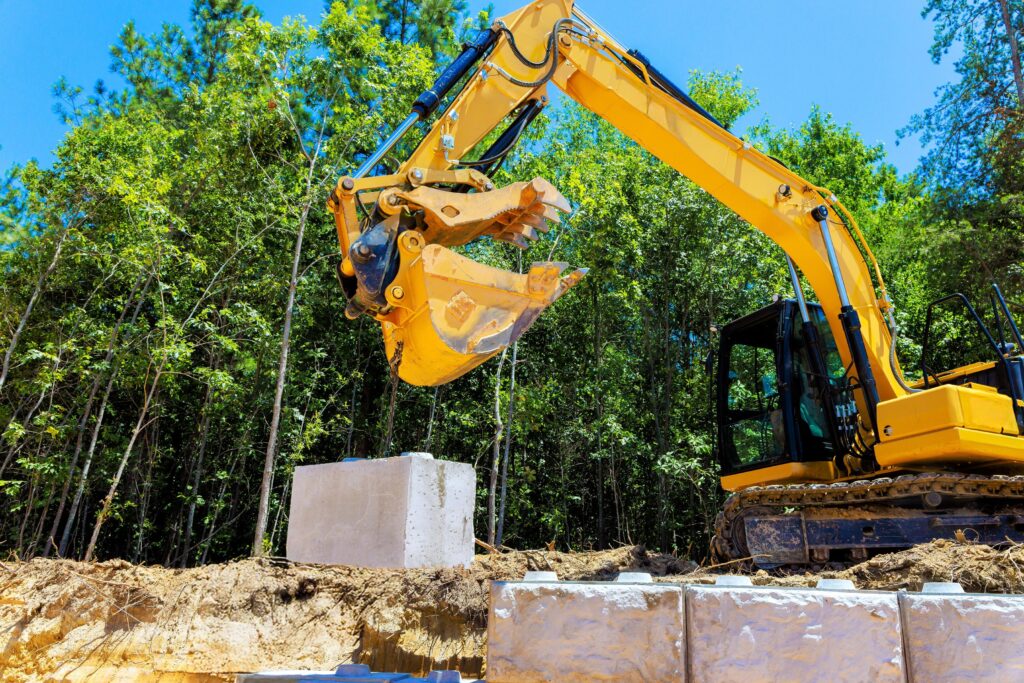
Excavators are typically categorised by their operating weight, which can range from mini excavators weighing less than 7 metric tons to large excavators exceeding 45 metric tons. This matters because operating weight affects stability, transport, ground pressure, and maximum digging depth.
Here is a practical breakdown of different excavator sizes used across UK and European job sites:
- Micro excavators: up to around 1 tonne. These are the smallest machines, often used for garden access, internal works, and very tight spaces. Typical dig depth is around 1.4–2.3m, with small buckets of roughly 0.02–0.05m³.
- Mini/compact excavators: around 1–6 tonnes. Mini excavators, also known as compact excavators, are designed for tight job sites and typically weigh less than 7 metric tons, making them ideal for small landscaping jobs and projects requiring precision. Mini excavators typically have an operating weight ranging from 2,000 to 22,000 pounds, or 1 to 11 tons, with classifications of small, medium, and large based on weight. Typical bucket capacity ranges from about 0.05–0.3m³.
- Midi excavators: around 6–10 tonnes. These are useful where small excavators lack reach or hydraulic power. Typical maximum dig depth is around 4.5–5.5m, and bucket sizes may sit around 0.3–0.8m³.
- Standard excavators: around 10–30 tonnes in many hire fleets. Standard excavators generally weigh between 7 and 45 metric tons and are the most common size for commercial construction projects, offering a balance of power and manoeuvrability. Standard excavators, also known as crawler excavators, are designed for heavy-duty construction, mining, farming, and landscaping, featuring a boom, stick, and bucket arm attachment that allows for 360-degree rotation and excellent stability on rugged terrain.
- Large excavators: 30 tonnes and above, often 45 tonnes plus on major works. Large excavators, which can weigh more than 45 metric tons, are best suited for heavy-duty work such as commercial construction and demolition, providing significant digging and lifting capabilities. They suit heavy-duty projects, heavy-duty jobs, quarries, deep basements, and major infrastructure.
Wheeled excavators operate on wheels instead of tracks, making them suitable for urban construction and roadwork, as they can be driven from one job site to another without needing a trailer. A backhoe loader sits slightly outside the excavator size spectrum: backhoe excavators, often confused with standard excavators, feature a boom at the back and a bucket at the front, allowing them to perform versatile tasks such as digging, loading, and levelling.
You may also see specialist types. Long-reach excavators are designed with extended arms and booms, allowing them to reach areas that are difficult to access, making them ideal for demolition and excavation tasks in tight spaces. Dragline excavators are heavy-duty machines used for large applications such as harbour construction and strip mining, utilising a bucket system that drags along the surface with chains and wire rope.
Well-known examples include cat mini excavators, John Deere compact and mid-size machines, Case excavators, and other heavy equipment brands. The brand matters less than whether the right machine matches the task.
Matching Excavator Size To Your Project Type
The fastest way to shortlist an excavator is to start with the type of construction project, then check access, reach, and ground conditions.
- Gardens, patios, driveways, and small landscaping projects: A micro excavator, mini digger, or 1.5–3t compact excavator is often enough. These smaller machines have rubber tracks, compact radius designs, and zero tail swing or near-zero tail swing options for small spaces.
- Residential construction and house extensions: A three-house extension project may need a 3–5t compact excavator with 3m+ dig depth for services and foundations. For deeper foundations, reduced levels, or firm clay, an 8t midi machine may offer better control and more power.
- Utilities, drainage, and digging trenches: A 3–8t machine often works well for domestic services. For deeper sewers, large ducts, or trench boxes, medium excavators are the most widely used machines in the construction industry, balancing power, digging depth, and transportability.
- Commercial construction and basements: Standard crawler excavators in the 14–30t range are common because they combine reach, heavy lifting capacity, and stability. A very deep 20m basement or attenuation tank becomes a specialist temporary-works problem, often requiring larger excavators, staged excavation, long reach excavators, shoring, and engineering input rather than a simple hire choice.
- Road, rural, and scattered utility jobs: A backhoe loader or wheeled excavators may be more practical than crawler excavators because travel speed between work zones can increase efficiency.
- Demolition and site clearance: Large excavators provide the power, height, and attachment capacity for breakers, grabs, and shears. In confined demolition, however, smaller machines with compact radius tails may be safer.
The trade-off is simple: small excavators can reduce disruption and improve fuel economy, but they may take longer. Larger excavators move more material per hour, but they need haul roads, laydown space, delivery access, and sometimes permits.
Key Specs That Determine Excavator Size
When comparing equipment, focus on the specifications that affect real output, not just model names.
- Operating weight: This is the in-work weight of the excavator, usually including fluids, standard bucket, fuel, and operator. It affects transport, stability, ground pressure, and maximum operating weight limits on slabs, gardens, or made ground.
- Maximum dig depth: Excavator dig depth is a crucial factor when selecting the appropriate size, as different projects may require varying depths for effective excavation. The maximum dig depth for mini excavators can vary significantly, with some models capable of digging depths exceeding 15 feet, making them suitable for various tasks such as foundation work and trenching. Always allow for working room, trench width, battering, shoring, and spoil placement.
- Reach: The maximum reach of an excavator is another important consideration, as it will determine how far the machine can extend to complete tasks effectively. “Max reach at ground level” is especially useful when loading lorries or working across obstacles.
- Bucket capacity: Bucket capacity affects cycle times. A larger bucket can move more material, but oversizing the bucket on a smaller machine can reduce breakout force, strain hydraulic power, and compromise stability.
- Width, height, and tail swing: Overall dimensions decide whether the machine can pass through gateways, under scaffolding, or beside existing structures. Tail swing radius is critical near live traffic, walls, and underground services.
- Attachments: Breakers, augers, grabs, and tilt buckets all need compatible hydraulic flow and machine weight. The right digger must be matched to attachments as well as the digging depth.
Keep a simple quote checklist: required depth, trench width, access width, ground type, attachment needs, programme, and spoil strategy. You can also review specs and sizes for common excavators before comparing hire options.
How To Assess Your Site: Access, Ground Conditions, And Space
The site often decides the machine before the drawings do. When choosing an excavator size, consider the project site restrictions, as the size of the excavator needed will depend on the specific requirements of the job and the available space.
Measure access routes before hire. A small mini digger may pass through a gateway close to 1m wide if it has a retractable undercarriage, while an 8t excavator may need roughly 2.2m or more. Standard crawler excavators often need much wider access and a suitable unloading area.
Ground conditions matter just as much. Soft clay, steep slopes, made ground, and finished landscaping can limit how much weight the ground can support. Rotating tracks spread the load better than wheels on rough ground, but larger machines may still need mats or a prepared platform. Small excavators are designed for restricted urban spaces, medium machines are versatile workhorses for general construction, and large excavators handle heavy-duty earthmoving, quarrying, and structural demolition.
Tail swing and counterweight overhang also affect safety. Mini excavators are designed for tight job sites and often feature zero or near-zero tail swing, allowing them to operate safely in confined spaces without damaging surrounding structures. Even so, the boom, bucket, and people nearby still need a clear exclusion zone.
A useful planning step is to sketch the site. Mark access, spoil heaps, lorry positions, services, overhead cables, and slew zones. This quickly shows whether a bigger machine will actually improve your team’s productivity or spend the day repositioning.
Excavator Sizes For Common Tasks (With Practical Examples)
Use these examples as starting points, not fixed rules.
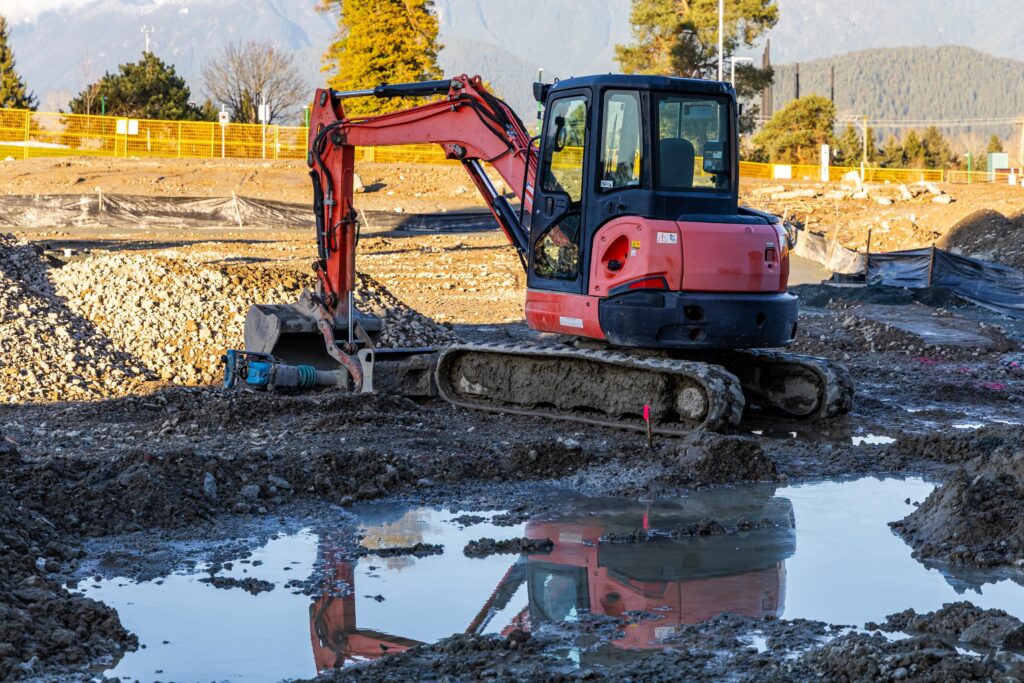
- Small garden landscaping: 0.8–3t micro or mini excavator. Good for limited access, lower operating costs, and less surface damage.
- Driveways and patios: 1.5–3t compact excavators are usually sufficient, especially where precision and better fuel economy matter more than speed.
- Residential foundations: 3–5t compact excavator for many trenches up to around 2.5–3m. Step up to 8–14t if you need to dig deeper from reduced levels.
- Deep utilities trenching: 8–22t midi or standard excavators may be needed for reach, trench boxes, and safe spoil handling.
- Bulk excavation for commercial basements: 20–30t crawler excavators, or larger excavators on heavy materials, can save days on programme.
- Demolition or site clearance: 14t+ machines with suitable attachments, or long reach excavators where height and stand-off distance are needed.
- Roadside or farm works: A backhoe loader can be a practical alternative where digging, loading, grading, and travelling between locations are all required.
Using Charts And Spec Sheets To Compare Excavator Sizes
Spec sheets and an excavator bucket size chart help you compare machines objectively. For bucket matching, manufacturers and steel suppliers such as SSAB publish guidance showing how material density changes the safe bucket size for each machine class.
| Typical role | Approx. max dig depth | Typical bucket capacity | Notes |
|---|---|---|---|
| Gardens, tight access | 2.2–2.6m | 0.03–0.08m³ | Often zero tail swing |
| Domestic works | 2.7–3.2m | 0.08–0.15m³ | Good precision |
| Utilities, foundations | 4.1–4.5m | 0.25–0.45m³ | Midi class |
| commercial projects | 5–6m | 0.5–0.9m³ | General site work |
| Bulk excavation | 6.5m+ | 0.8–1.3m³ | Heavy production |
For compact excavators, cat mini excavators, john deere models, and similar machines generally sit in the 1–6t range, although some mini categories extend higher. Read “transport width” as the width during haulage, not always the working width. Read “max reach at ground level” as a horizontal reach figure, not dig depth.
Cost, Transport, And Hire Duration Considerations
The true cost of an excavator is not just the daily hire rate. It includes delivery, fuel costs, operator time, attachments, setup, and delay risk.
Smaller machines usually offer excellent fuel efficiency and lower hire rates, but they may need more days to finish the same volume. Larger excavators use more fuel per hour, but for bulk digging, they can reduce total fuel consumption and labour by completing the work faster.
Transport changes by size. Very small machines can often be delivered on compact trailers, while larger standard excavators may need plant lorries. Heavy machines can require low-loaders, delivery windows, permits, and suitable access roads.
Before booking, estimate daily output, shift length, spoil removal, and whether breakers or augers are needed. The best hire duration is based on realistic productivity, not guesswork.
How We Can Help You Choose The Right Excavator Size
We specialise in excavators and related solutions, helping contractors match machine size, configuration, and attachments to specific project requirements.
Our knowledgeable team can review drawings, dig depth requirements, access photos, soil reports, lift duties, and site constraints. For complex work, such as deep excavations in urban areas, specialist input can help balance reach, stability, and access while keeping the machine operated safely.
If you are unsure which size excavator is right for your next project, see how we can help and get tailored advice before committing to hire. Hiring according to project needs usually leads to safer, faster, and more profitable construction outcomes.
FAQ: Excavator Sizes And Project Planning
These answers cover common questions about excavator sizes, planning, and practical hire decisions.
Many single-storey and two-storey house foundations in the UK are between 1m and 2.5m deep. A 3–5t compact excavator with around 3m dig depth is often sufficient, provided access allows.
Deeper piles, basements, or engineered ground improvement may require 8–14t machines for reach and stability, especially when working from reduced levels. Confirm depth and trench width from drawings or your structural engineer before booking.
Some mini excavators can dig surprisingly deep, often around 2–3m, and certain models can exceed 15 feet. However, large crawler excavators can routinely achieve greater dig depth and reach, often 6m, 8m, or more, while staying stable.
The limit is not only the maximum digging depth. You also need safe spoil placement, benching, and enough room to load away from the excavation edge.
Yes, in the right setting. A backhoe loader combines a front loader bucket with a rear excavator arm, making it useful for road, farm, and utility work where travel speed matters.
For sustained digging in one location, a 6–10t midi excavator usually outperforms it. For scattered works, the backhoe loader may be the more efficient machine.
Safe clearance depends on tail swing radius, boom reach, people, vehicles, and nearby structures. As a rule, keep a clear working envelope equal to the full swing radius plus at least 0.5–1m.
Zero tail swing machines still need lateral clearance for the boom and bucket. Always check overhead hazards, scaffolding, power lines, and the model’s operating manual.
Provide the project type, required dig depth, approximate excavation volume, access dimensions, ground conditions, preferred dates, hire duration, and whether attachments such as breakers or augers are needed.
Photos, sketches, and layout drawings help the hire or engineering team recommend the right excavator instead of a generic default. That usually means more accurate pricing, better machine selection, and fewer delays when the excavator arrives on site.