
Material handling equipment includes tools and machines used to move, store, and manage goods. It ranges from simple hand trucks to complex conveyor systems. Understanding what material handling equipment is can help businesses improve efficiency and reduce costs. This article will cover the types of equipment available and their benefits.
Key Takeaways
- Material handling equipment is essential for optimising supply chain efficiency, reducing costs, and enhancing safety across various industries, including warehousing, logistics, and manufacturing.
- Understanding the different types of material handling equipment, such as storage systems, industrial trucks, and engineered systems, is crucial for businesses to choose the right solutions tailored to their operational needs.
- Investing in material handling equipment improves operational efficiency, reduces labour costs, and enhances workplace safety, making it a strategic decision for improving overall productivity.
Understanding Material Handling Equipment
Material handling equipment refers to tools and devices used to move, lift, store, and manage materials. The primary goal of material handling is to ensure an efficient flow of products through the supply chain, enhancing overall operational efficiency. Specialised equipment helps businesses streamline processes, minimise delays, and reduce costs related to product movement.
Material handling principles aim to optimise workflow, ensure safety, and integrate handling systems. Grouping items into unit loads simplifies handling and reduces the time spent on manual tasks. Industries that rely heavily on these principles to maintain smooth operations include:
- Warehousing
- Logistics
- Manufacturing
- Healthcare
In warehouses, material handling equipment plays a crucial role in daily operations, from moving items and organising inventory to preparing shipments. Efficient practices help increase productivity, protect goods during storage and transit, and improve customer satisfaction. Selecting the appropriate equipment also enhances safety and reduces physical stress on workers.
Types of Material Handling Equipment
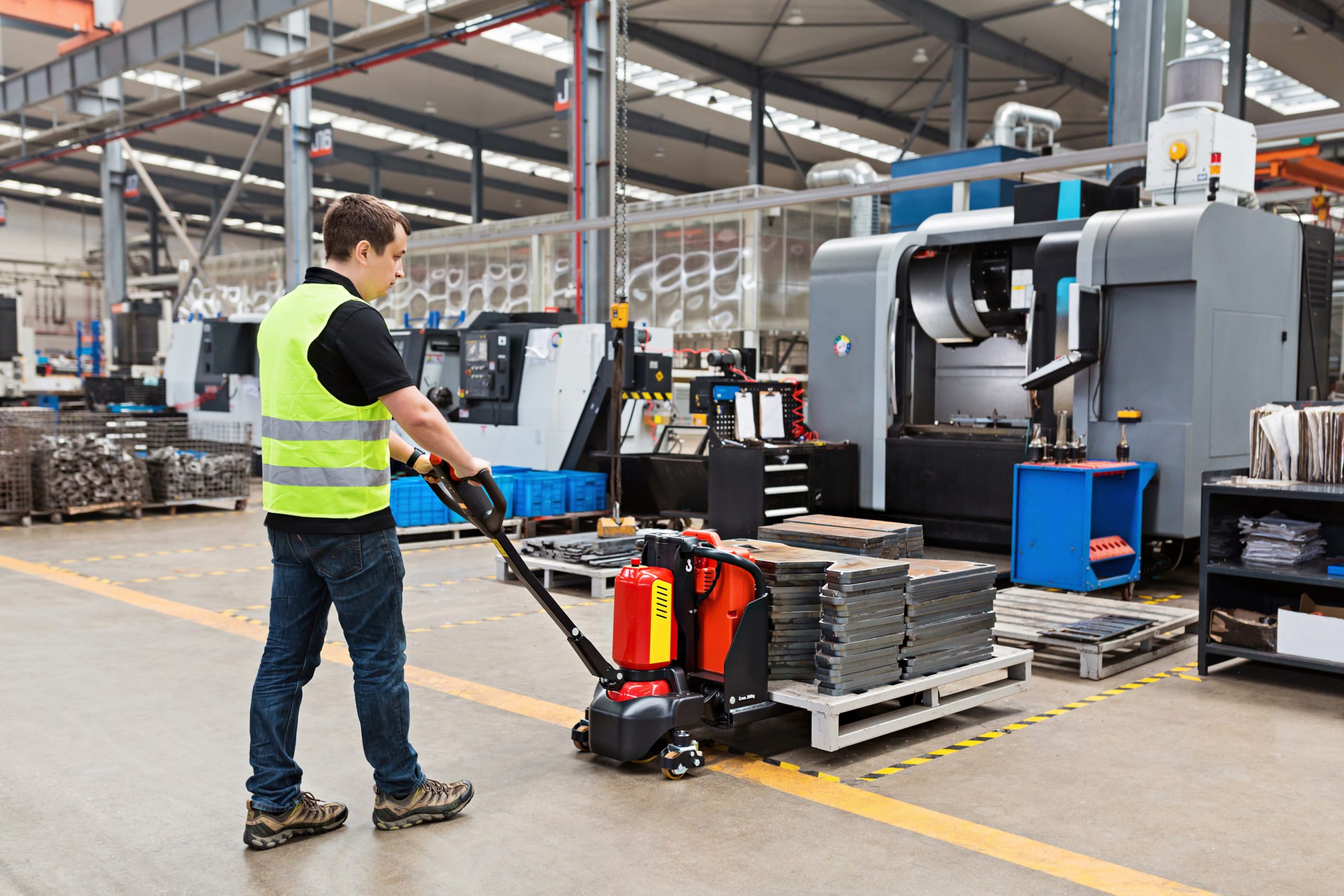
Material handling equipment encompasses a wide range of machines and tools designed to transport, process, store, or package materials. The primary categories of material handling equipment are:
- Storage and handling equipment
- Bulk material handling equipment
- Industrial trucks
- Engineered systems
Each type serves specific functions and applications, ensuring that various material handling tasks are completed efficiently.
The diversity of material handling equipment includes:
- Forklifts
- Conveyor belts
- Shelving units
- Hand trucks
The following sections delve deeper into each category, exploring its unique features and benefits. Understanding the different types of equipment will help you make informed decisions tailored to your business needs.
Storage and Handling Equipment
Storage and handling equipment are essential for organising and maximising space in commercial settings. These tools are primarily used to store products and materials for inventory or production purposes, including storage equipment. Examples include storage racks, pallet racks, and shelving units, which help keep items organised and accessible.
Maximising vertical and floor space, high-density storage and handling equipment improve warehouse operations and maximise space utilisation. This organisation not only improves workflow efficiency but also clears clutter, making it easier to locate and retrieve items quickly.
Overall, these systems play a vital role in maintaining efficient operations.
Bulk Material Handling Equipment
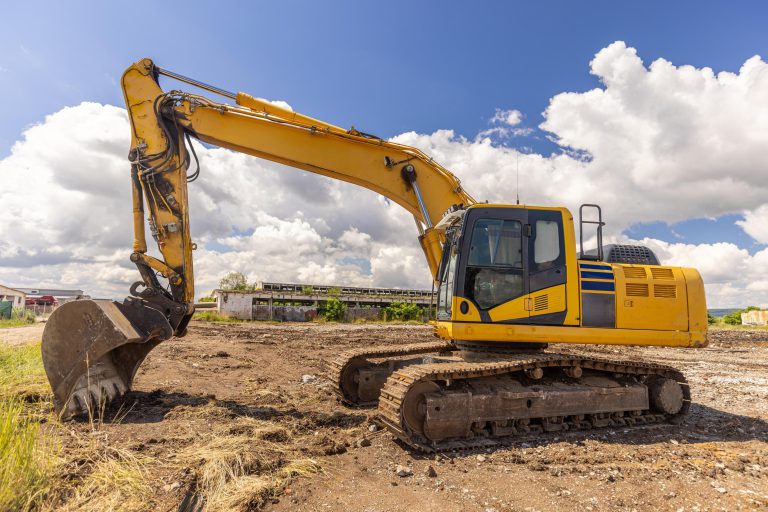
Bulk material handling equipment is designed to manage loose-form materials, including liquids, food, minerals, stones, rocks, and metals. These tools are essential for handling large quantities of bulk materials, which are often too heavy for standard forklifts.
Motorised methods are commonly used for the vertical or horizontal transportation of these materials, ensuring efficient material movement within both indoor and outdoor environments. Examples include conveyor systems, which streamline the handling of items like grains, rocks, and consumer packaged goods.
Automating the transportation of bulk materials enhances operational flow and productivity by streamlining processes.
Industrial Trucks
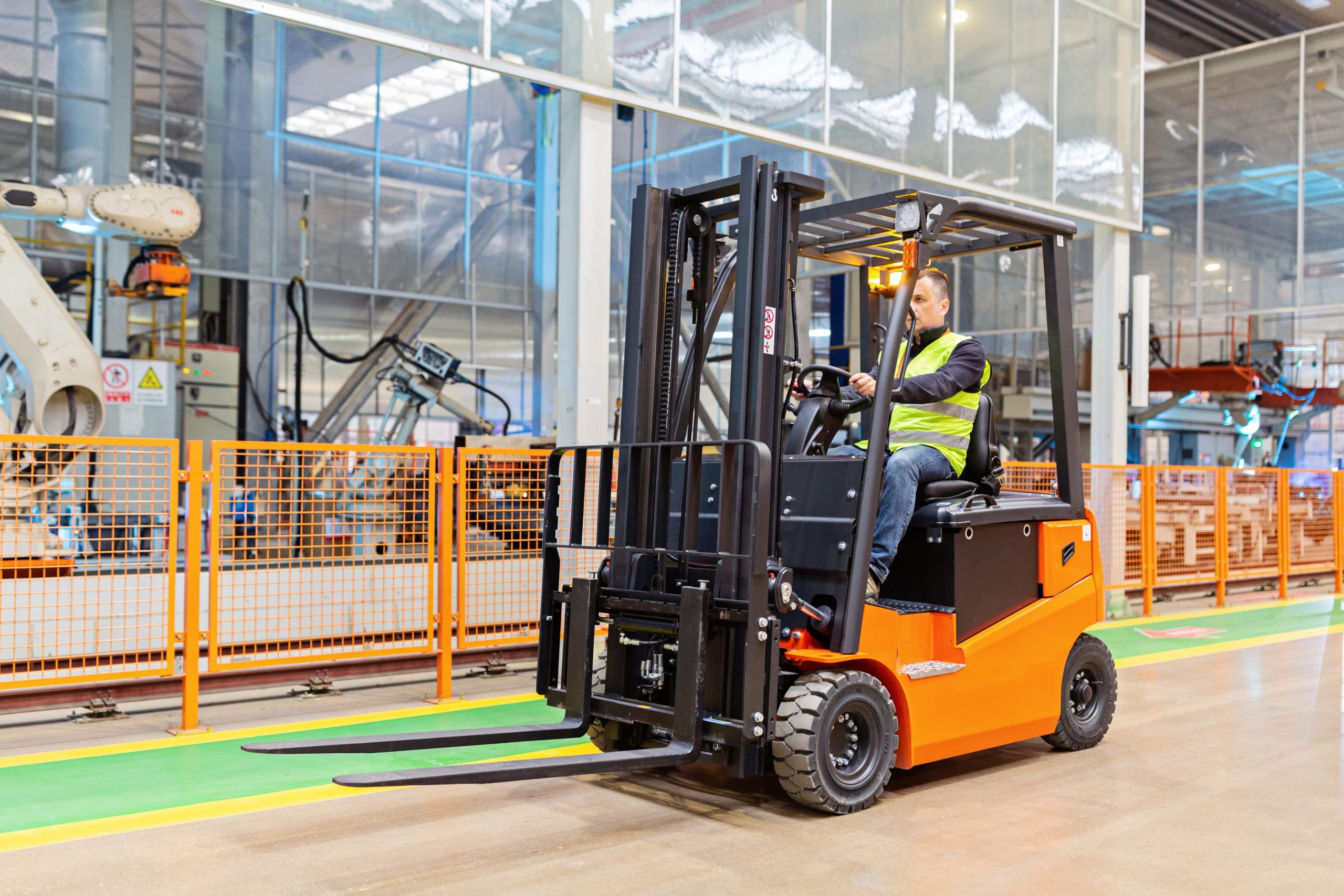
Industrial trucks, such as forklifts, pallet jacks, pallet trucks, and telehandlers, are crucial for transporting goods within warehouses and distribution centres. These vehicles come in various types, each with specific lifting capacities and height ranges to suit different material handling needs, including forklift attachments.
Pallet jacks, for example, can lift loads to 8 feet and support weights between 4,000 and 5,000 pounds. Sit-down rider forklifts are ideal for prolonged use and can lift to 20-25 feet with a weight capacity of 3,000-4,000 pounds. Telehandlers, on the other hand, can reach heights of 50-60 feet and handle weights from 6,000 to 14,000 pounds.
The versatility of industrial trucks makes them indispensable in managing material flow efficiently.
Engineered Systems
Engineered systems represent the pinnacle of automation in material handling. These systems use advanced technology to store and transport goods with minimal human intervention. Automated storage and retrieval systems (AS/RS), robotic delivery systems, and automated guided vehicles (AGVs) are examples of engineered systems that enhance operational efficiency.
One of the key benefits of engineered systems is their ability to relieve skilled employees of repetitive tasks, thereby reducing manual labour and improving productivity. These systems are typically controlled by sophisticated management software, ensuring seamless integration with basic storage and handling equipment.
As technology evolves, engineered systems continue to become more intelligent and complex, offering reliable material handling solutions for various industrial settings.
Benefits of Using Material Handling Equipment
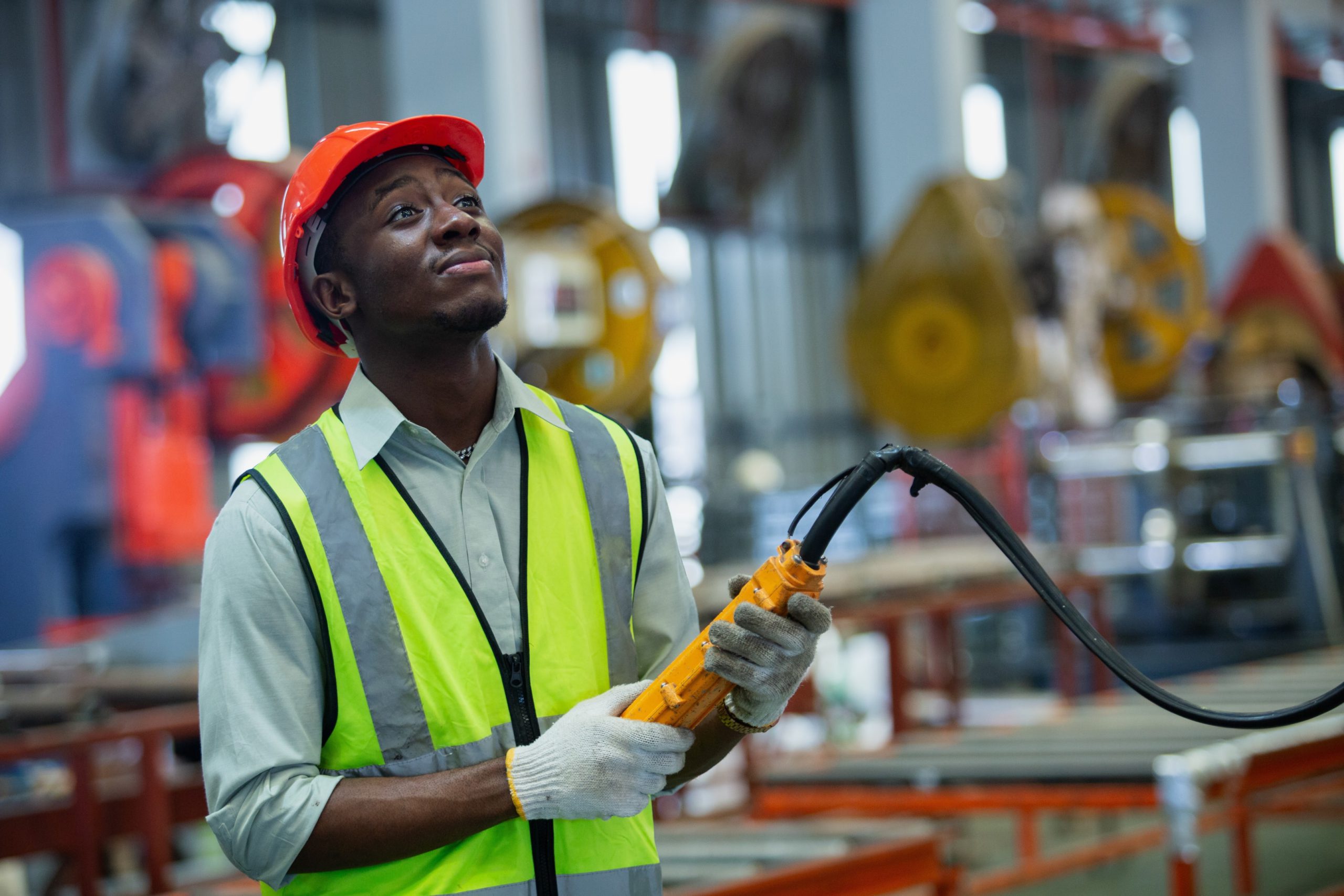
Investing in material handling equipment offers numerous benefits that can transform your business operations:
- An effective materials handling system shortens picking and transport time.
- It enables real-time inventory control.
- It streamlines the flow of goods.
- By maximising storage space and reducing transportation and picking times, businesses can achieve significant cost savings and operational efficiency.
Moreover, material handling equipment enhances workplace safety by reducing the likelihood of injuries during material transport. Automated solutions boost accuracy and productivity, leading to improved inventory management and customer service.
In the following subsections, we will explore these benefits in greater detail.
Enhances Operational Efficiency
Material handling equipment significantly boosts operational efficiency by automating processes that would otherwise require manual labour. Automated systems, such as AGVs and automated storage and retrieval systems, maximise storage capacity and ensure efficient use of available space. These material handling systems streamline operations, enabling businesses to handle larger volumes of materials with greater speed and accuracy.
Evaluating current operations can identify areas to improve efficiency. By selecting equipment that fits within the available space and combining manual and automated systems, businesses can achieve greater operational flexibility and enhance productivity. This hybrid approach allows for adaptability to varying production needs, ultimately enhancing overall operational excellence.
Reduces Labour Costs
Material handling equipment helps reduce labour costs by decreasing the need for manual handling of heavy materials. Automated solutions streamline processes, allowing businesses to operate more efficiently without requiring additional workforce.
By investing in material handling equipment, companies can achieve significant cost savings while maintaining high levels of productivity and efficiency. This not only minimises operational costs but also ensures a more organised and streamlined production process, minimising costs overall. The reduction in manual labour also means fewer workplace injuries and a safer working environment for employees.
Improves Workplace Safety
Safety is a paramount concern in any industrial setting, and material handling equipment plays a crucial role in mitigating workplace hazards. Automated tools reduce the need for heavy lifting and repetitive movements, which are common causes of injuries. Minimising these risks ensures a safer working environment for employees engaged in manual material handling.
Proper use of material handling equipment also reduces fatigue among workers, preventing injuries and improving overall workplace morale. Enhanced safety measures contribute to better productivity and a more positive work environment, making material handling equipment a valuable investment for any business.
How to Choose the Right Material Handling Equipment
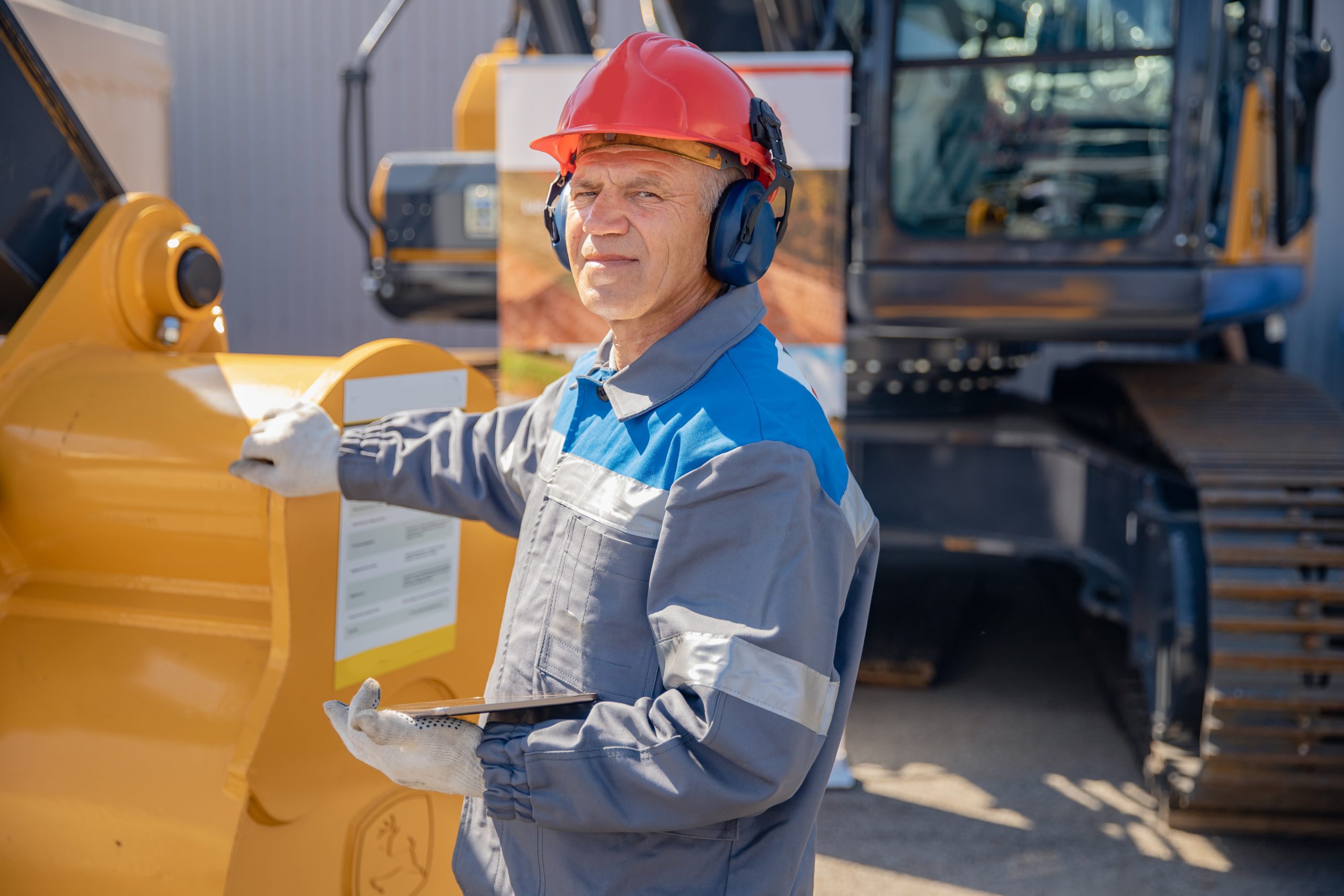
Choosing the right material handling equipment is crucial for optimising your operations. The process involves:
- Understanding your specific operational tasks and requirements is the first step in making an informed decision.
- Assessing current processes and identifying inefficiencies.
- Selecting equipment that enhances productivity and cost-effectiveness.
Consider both operational efficiency and cost-effectiveness when selecting material handling equipment. Kocurek offers a range of solutions tailored to meet specific material handling needs, ensuring reliable performance across different projects.
In the following subsections, we will discuss the steps involved in choosing the right equipment for your business.
Assessing Your Needs
The initial step in implementing material handling solutions involves:
- Assessing your current handling processes.
- Reviewing internal data such as accident logs and production metrics to identify areas for improvement.
- Understanding the specific tasks required in your operation aids in the selection of appropriate material handling equipment.
Material handling solutions facilitate a more organised workflow, allowing for quicker access to items and minimising lost time. Automated systems often require additional floor space due to their infrastructure needs, impacting layout decisions. Planning and adhering to guiding principles are essential for successful integration.
Considering Space and Layout
Effective material handling equipment should be compatible with the available warehouse layout. Optimising space utilisation is essential for maximising the efficiency of your operations. Adding a mezzanine can significantly increase available space, allowing for better organisation and storage.
Carefully considering your warehouse’s spatial dimensions helps in selecting equipment that enhances operational flow and productivity. This ensures that your material handling systems are not only effective but also efficiently integrated into your existing layout.
Balancing Automation and Manual Handling
Balancing automation with manual handling is crucial for maintaining flexibility and efficiency in your operations. Automation significantly increases operational efficiency by streamlining processes and reducing manual labour. However, a hybrid approach, combining automated and manual systems, allows businesses to adapt to varying production needs effectively.
For example, using robotic delivery systems to transport items to human workers for packaging combines the strengths of both autonomous mobile robots and manual handling, highlighting the importance of human effort. This balance ensures that you leverage the benefits of automation while retaining the adaptability and personal touch provided by manual handling.
Implementing Material Handling Solutions
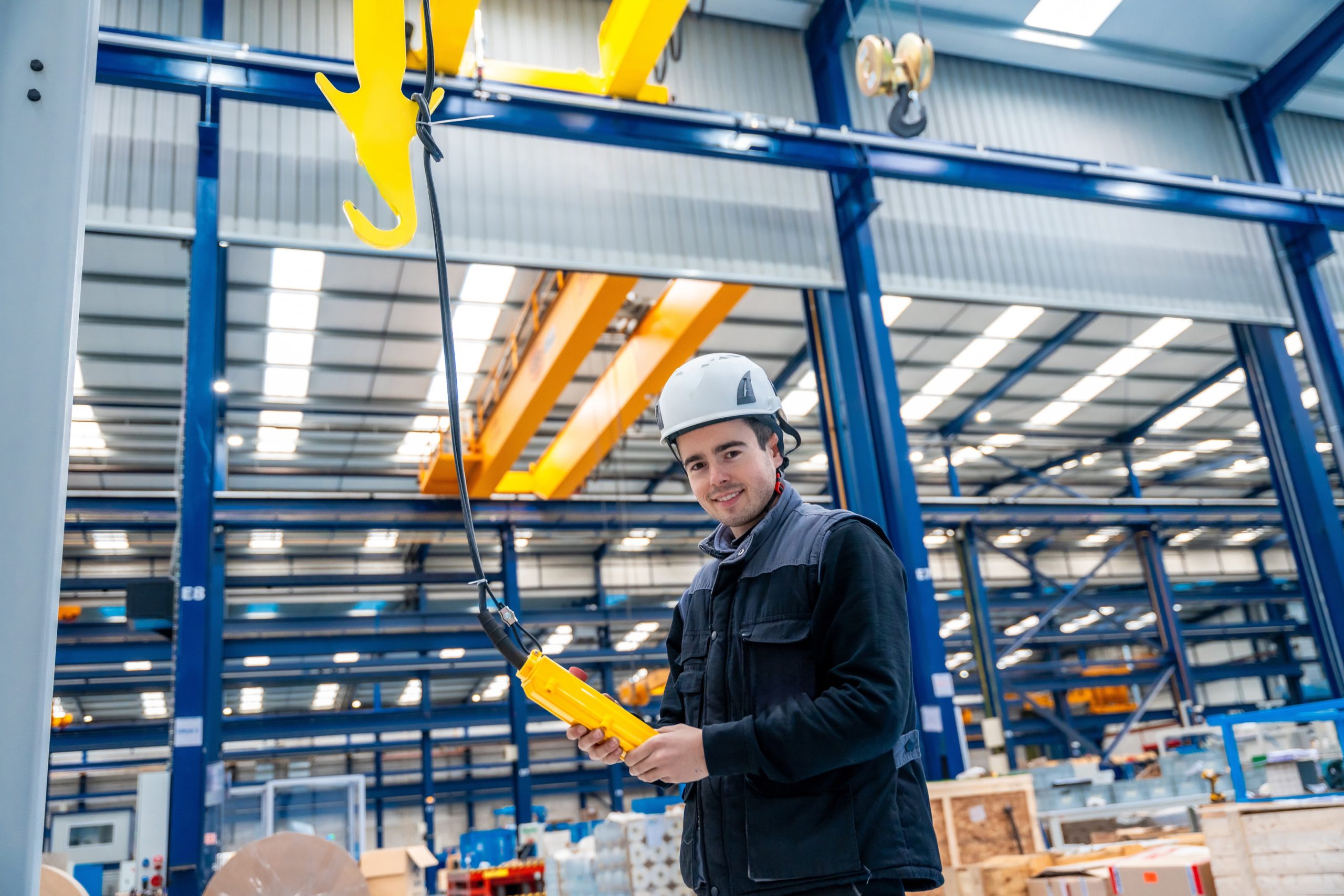
Once you have selected the appropriate material handling equipment, the next step is implementation. Producing a detailed specification for the required equipment is essential for a smooth transition to mechanical handling solutions. This specification should outline the specific requirements and functionalities needed to meet your operational goals.
Ensuring proper training for your staff and integrating the new systems into your existing workflow are crucial steps in the implementation process. Following these steps ensures seamless integration and maximises the benefits of material handling solutions.
The Role of Kocurek Excavators Ltd in Material Handling
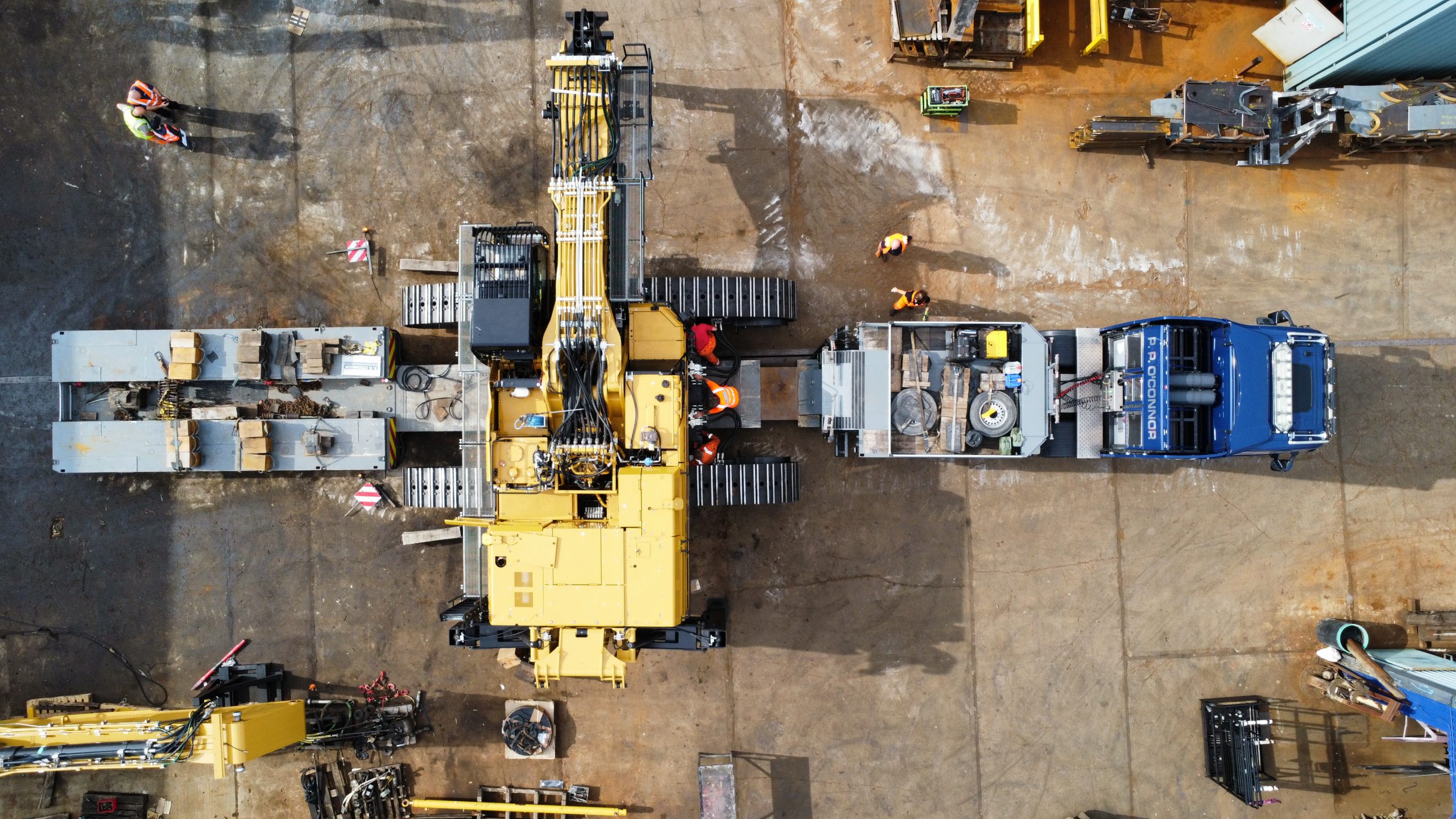
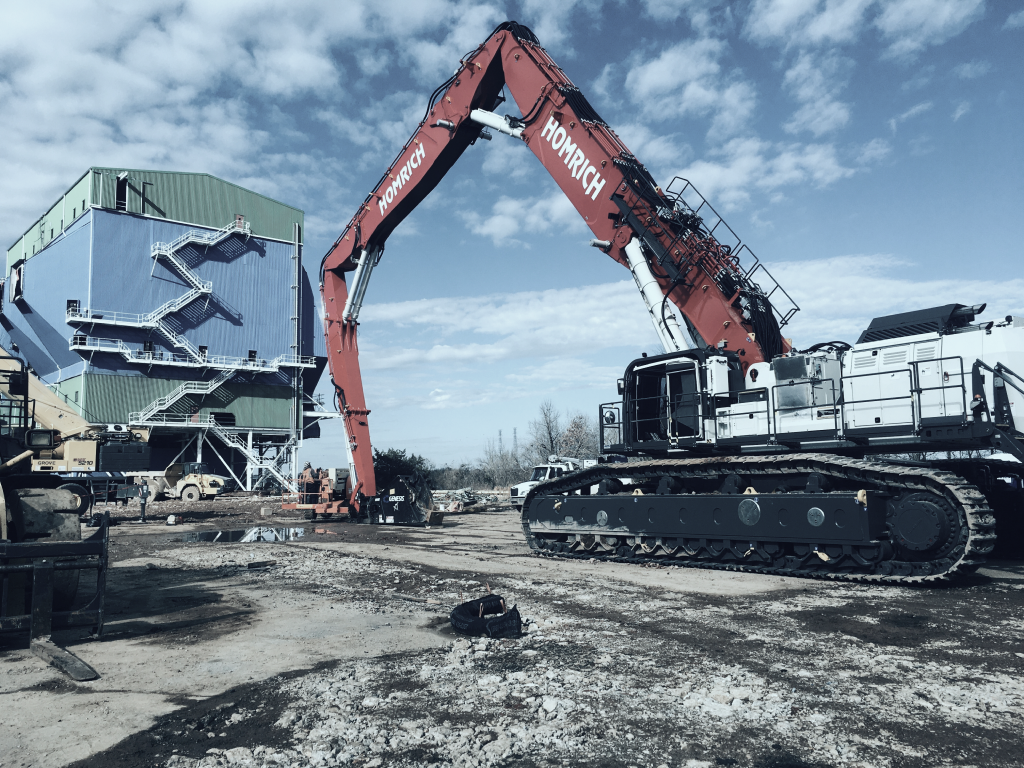
Kocurek Excavators Ltd is a leader in the design and manufacture of bespoke excavator equipment and modifications. Specialising in providing custom solutions, Kocurek enhances the application of excavators in various material handling scenarios. Their expertise ensures that businesses receive tailored equipment that meets their specific needs.
The company has been recognised with numerous industry awards for its innovative contributions to the materials handling equipment sector. By partnering with Kocurek, businesses can access reliable material handling systems that enhance their operational efficiency and productivity.
Summary
In conclusion, material handling equipment plays a pivotal role in modern business operations, enhancing efficiency, reducing costs, and improving safety. By understanding the different types of equipment—storage and handling equipment, bulk material handling equipment, industrial trucks, and engineered systems—you can make informed decisions tailored to your business needs. Whether it’s maximising warehouse space with storage racks or automating processes with advanced engineered systems, the right equipment can transform your operations.
Partnering with industry leaders like Kocurek Excavators Ltd ensures you have access to bespoke solutions that meet your specific material handling requirements. Their expertise and innovation in the field provide reliable and efficient systems that drive productivity and safety. Investing in the right material handling equipment is not just a decision for today but a strategic move for the future.
Frequently Asked Questions
What is material handling equipment?
Material handling equipment encompasses tools and devices designed for the movement, lifting, storage, and management of materials, thereby enhancing efficiency within the supply chain. This equipment is essential for improving operational workflows and ensuring effective material management.
What are the main types of material handling equipment?
The primary categories of material handling equipment include storage and handling equipment, bulk material handling equipment, industrial trucks, and engineered systems, each tailored to perform distinct material handling tasks. Understanding these categories is essential for optimising operational efficiency in any material handling process.
How does material handling equipment improve workplace safety?
Material handling equipment significantly improves workplace safety by reducing the need for manual lifting and repetitive movements, thereby minimising injury risks. This leads to a safer and more efficient work environment.
Why should I consider Kocurek Excavators Ltd for material handling solutions?
Kocurek Excavators Ltd offers customised excavator equipment and modifications, ensuring that their material handling solutions are specifically tailored to meet your operational needs. This specialisation can significantly enhance your efficiency and effectiveness in handling materials.
How do I choose the right material handling equipment for my business?
To choose the right material handling equipment for your business, assess your operational needs, consider your space and layout, and balance automation with manual handling. Understanding these factors will lead to selecting the most effective equipment.