
A plasma cutting system uses a jet of ionised gas to cut through metal. An electric arc ionises the gas, turning it into plasma that melts the metal. This article explains how a plasma cutting system works, detailing its components and the process involved.
A plasma cutting system uses a jet of ionised gas to cut through metal. An electric arc ionises the gas, turning it into plasma that melts the metal. This article explains how a plasma cutting system works, detailing its components and the process involved.
Key Takeaways
- Plasma cutting utilises ionised gas at temperatures exceeding 20,000°C to efficiently slice through electrically conductive materials, with precision suitable for both thick and thin applications.
- A plasma cutting system consists of key components such as the power supply, plasma torch, and various plasma gases, each playing a critical role in achieving high-quality cuts.
- While plasma cutting offers advantages like speed, precision, and lower costs compared to other methods, it also presents safety challenges and requires proper training and precautions for operators.
Understanding Plasma and Its Role in Cutting
Plasma is often referred to as the fourth state of matter. It is formed when plasma gas is heated to extremely high temperatures, causing the atoms within the gas to split and electrons to separate from the nuclei. This ionisation process transforms the gas into plasma, a state that can conduct electricity and release vast amounts of energy, including the various parts of a plasma.
Plasma is often referred to as the fourth state of matter. It is formed when plasma gas is heated to extremely high temperatures, causing the atoms within the gas to split and electrons to separate from the nuclei. This ionisation process transforms the gas into plasma, a state that can conduct electricity and release vast amounts of energy, including the various parts of a plasma.
But why is plasma so effective for cutting? The answer lies in its properties:
- The charged ions and free electrons within the ionised gas enable it to conduct electricity, which is crucial for cutting applications.
- When the plasma is generated, it releases tremendous energy as electrons collide with ions, creating a powerful plasma jet that can slice through electrically conductive materials with ease.
- The temperatures in plasma cutting can exceed 20,000°C, allowing it to melt through metal effortlessly.
In a plasma cutting system:
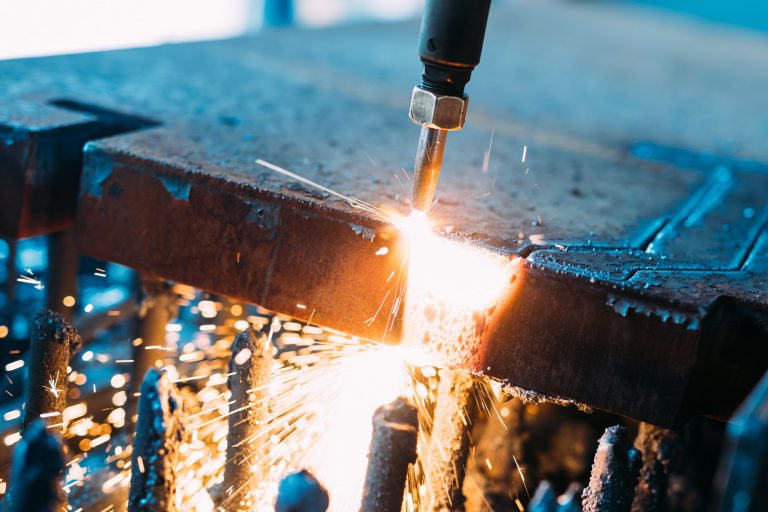
- An electric arc is created between the cutter and the workpiece, ionising the gas and producing plasma.
- This high-speed plasma jet is directed onto the material, melting it.
- The compressed gas blows away the molten metal, resulting in a clean cut. Plasma cutters work by utilising these principles effectively. The plasma arc cutting process is an essential technique in modern fabrication.
The precision of this method makes it suitable for high-precision cutting of both thick and thin materials, especially when using a cutting tip.
The Core Components of a Plasma Cutting System
A plasma cutting system is composed of several vital components, each playing a crucial role in the cutting process. Understanding these components is essential for anyone looking to master the art of plasma cutting. The primary components include the power supply, the plasma torch, and the plasma gases.
The components involved in plasma cutting include:
- The power supply provides the necessary electrical energy to create the plasma arc.
- The plasma torch, containing electrodes, nozzles, and swirl rings, controls and directs the plasma arc.
- The plasma gases, such as air, oxygen, nitrogen, and argon, are used to generate the plasma and assist in the cutting process.
Let’s delve into each of these components in detail.
Power Supply
The power supply in a plasma cutting system is the heart of the operation. It converts AC voltage to a stable DC voltage, which is crucial for maintaining a consistent and effective plasma arc. This conversion is essential because the plasma arc requires a steady and controlled flow of electricity to function correctly, making the control system vital for optimal performance.
The process begins with the power supply converting AC power from an outlet into DC voltage and current. This DC voltage is then used to generate the electric arc needed to create plasma. The stability of this voltage is vital as it ensures that the plasma arc remains consistent throughout the cutting process, providing precise and high-quality cuts.
Plasma Torch
The plasma torch is where the magic happens. Its primary function is to cut materials by controlling the plasma arc. The torch contains several key components, each playing a specific role in ensuring the efficiency and precision of the cutting process: plasma torches.
- Electrodes
- Nozzles
- Swirl rings
- Retaining cap
The electrode conducts the current to create and maintain the arc. The nozzle controls and directs the plasma arc, ensuring it is focused on the cutting area. The swirl ring stabilises the plasma column, protecting the nozzle from excessive heat and ensuring efficient cuts. The retaining cap keeps all these consumable parts aligned, ensuring a reliable arc.
Plasma Gases
The choice of plasma cutting gases significantly impacts the quality and efficiency of the cutting process. Commonly used gases include:
- Air
- Oxygen
- Nitrogen
- Argon. Each gas has its advantages and is selected based on the material being cut and the desired cut quality.
Economical Air is often used for cutting low-carbon steel due to its availability and speed. Nitrogen is preferred for cutting thick metals as it enhances cut quality and minimises oxidation.
Argon, being an inert gas, provides a stable arc and longer component life but can cause slag issues due to its high surface tension. Oxygen is used for high-temperature cutting but requires oxidation-resistant electrodes.
Initiating the Plasma Cutting Process
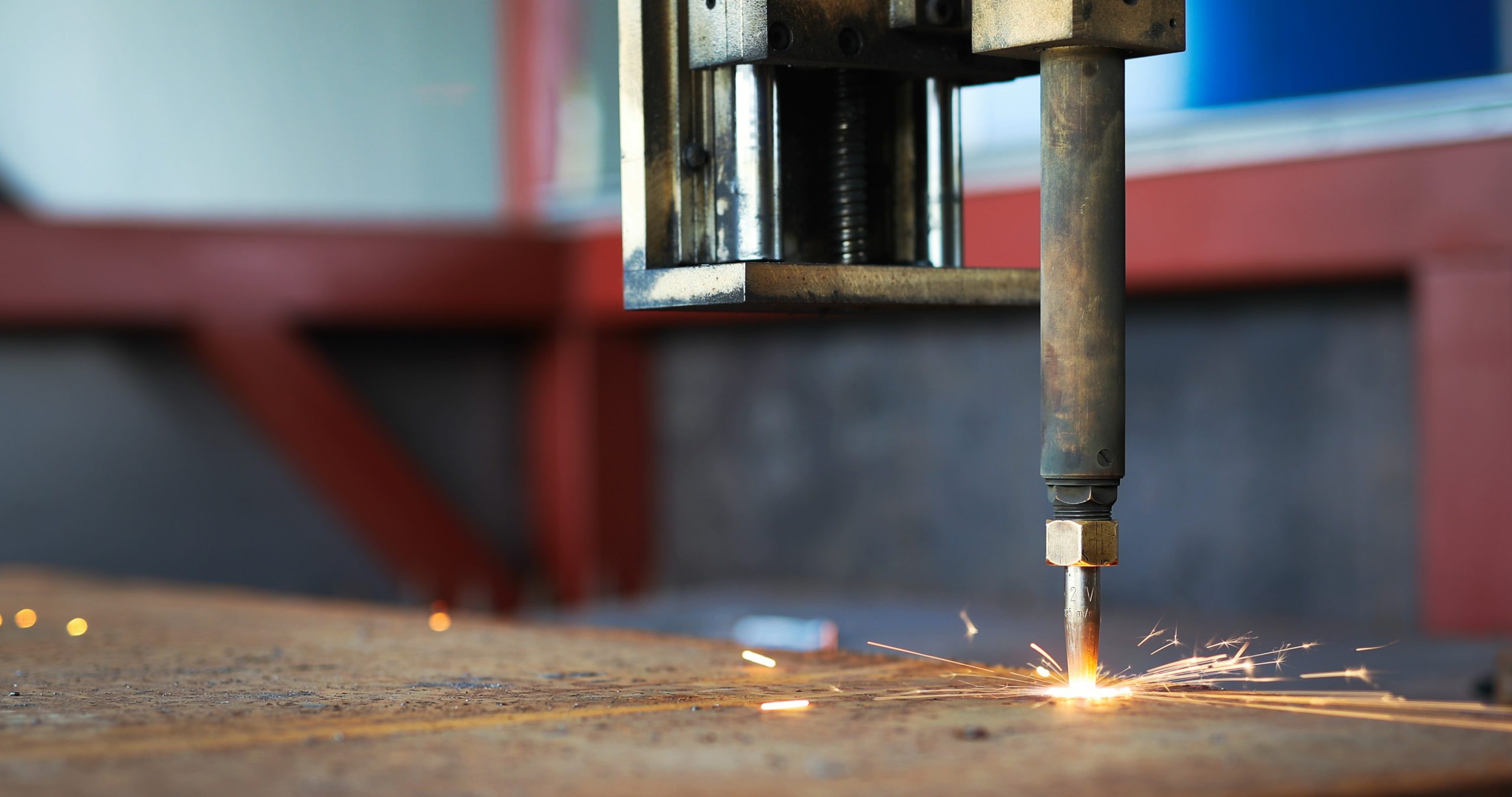
There are several key steps to begin the plasma cutting process. It is important to follow these steps carefully:
- Connect the system to a power source and gas supply.
- Properly ground the workpiece.
- Set the right amperage for the material being cut.
- In handheld systems, engage the trigger to initiate gas flow, which builds up pressure before creating the plasma jet.
Once everything is set up, the next step is to start the plasma arc. This can be done using various methods, which we will discuss in the next section. Ensuring all connections are secure and the setup is correct is crucial for effective and safe plasma cutting.
Arc Starting Methods
There are several methods to initiate the plasma arc in a cutting system. The high-frequency start method is one of the oldest and most cost-effective techniques. It uses high voltage and a high-frequency spark to ignite the plasma arc.
Another method is the pilot arc method, which involves creating a small, initial arc that does not require contact with the workpiece. This method prolongs the life of consumable parts by reducing wear.
The spring-loaded start method involves pressing the torch against the workpiece to create a short circuit, starting the arc and enabling non-contact cutting thereafter.
How Plasma Cutters Operate
The operation of plasma cutters is a fascinating process that combines high-tech engineering with simple physics. The cutting processes involve:
- Generating plasma by sending an electric arc through a gas
- Squeezing the plasma at high speed through a nozzle
- Ionising the gas to create a plasma jet
- Reaching temperatures close to 40,000°F with the plasma jet, this enables the plasma cutter to pierce through metal.
The process works as follows:
- When the power is applied to the negative electrode, it generates a spark that heats the gas to create plasma.
- As the gas flows through the nozzle, it forms a high-speed plasma jet directed onto the workpiece, melting the metal.
- The high-temperature plasma arc melts the metal.
- The high-speed gases blow away the molten material, resulting in a clean cut.
Additionally, a secondary shielding gas can be used to enhance the quality of cuts by further constricting the plasma arc. The gas flow through the torch not only promotes cooling but also directs the gas toward the cutting area, ensuring a consistent and high-quality cut.
Types of Plasma Cutting Systems
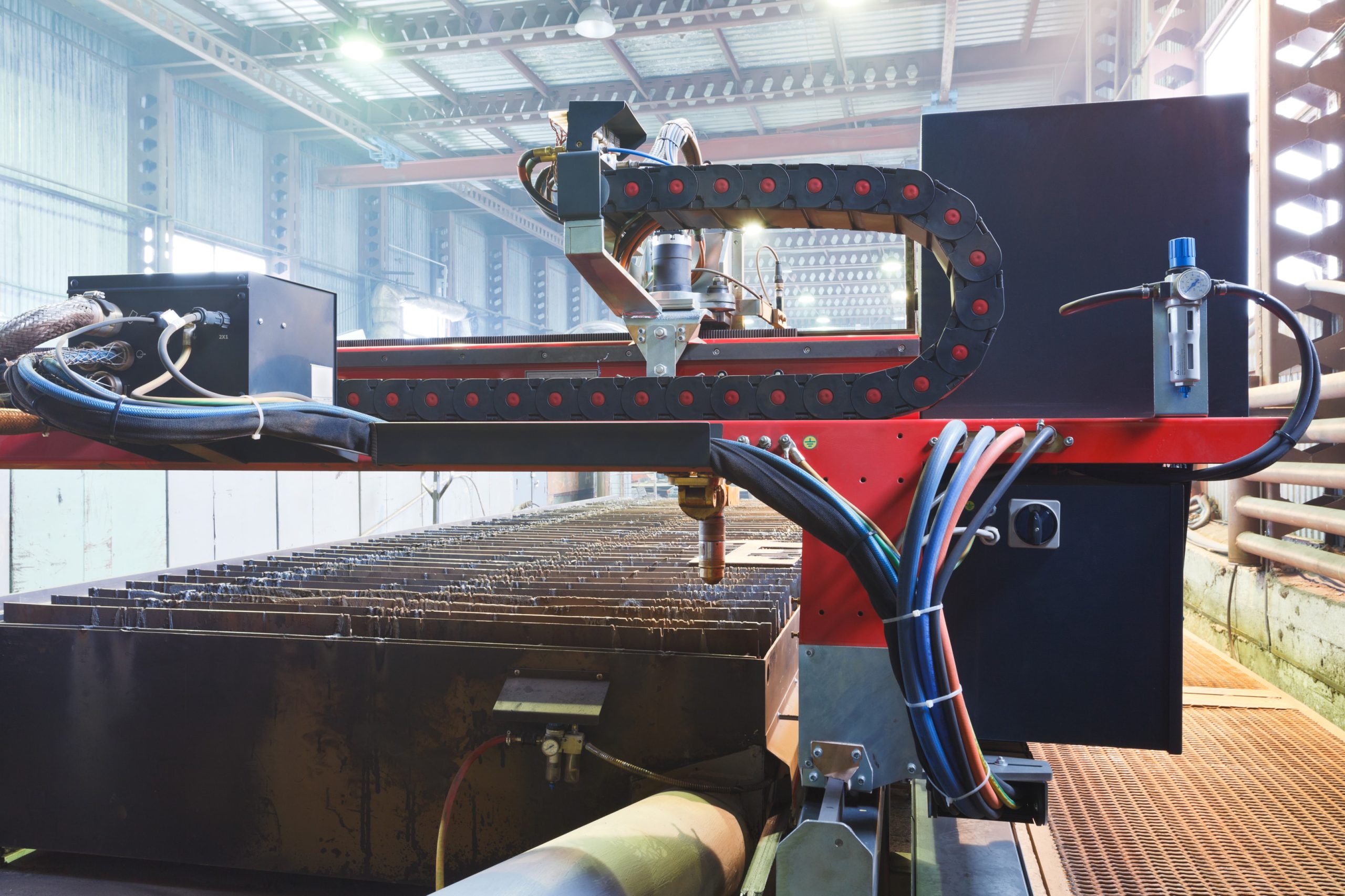
Plasma cutting systems come in various types, each suited for different applications and environments. Portable handheld plasma cutters offer:
- Flexibility for fieldwork and small projects
- Ideal use for DIY enthusiasts and small businesses
- Ease of use
- Portability to various locations
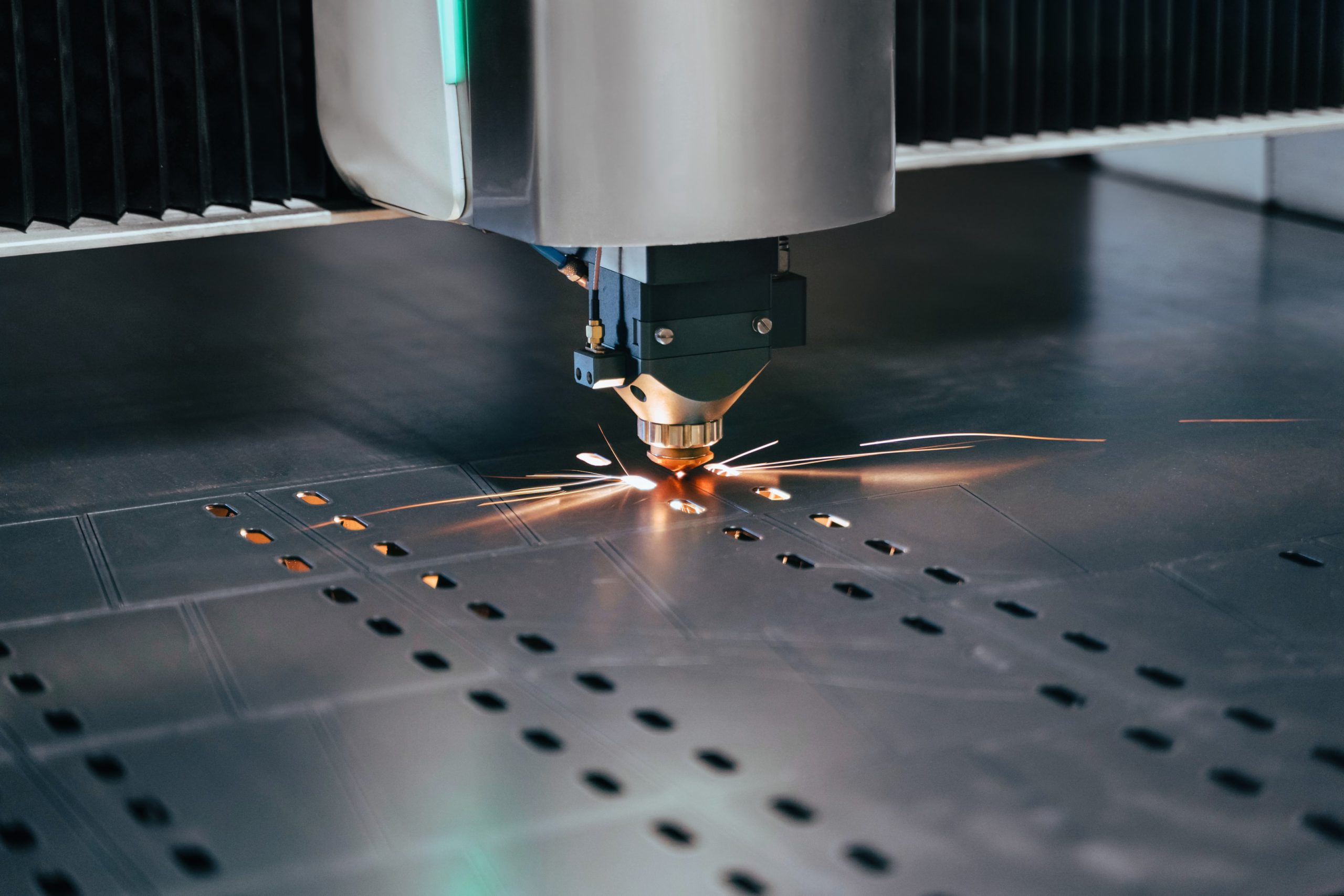
For more complex and precise cutting tasks, computer numerically controlled CNC plasma cutters are the go-to option. These automated systems allow for intricate and accurate cuts through computer programming.
Robotic plasma cutters enhance safety and efficiency by using robotic arms to perform cutting tasks, reducing human exposure to hazards. Additionally, 3D plasma cutting technology is gaining traction for its ability to cut along multiple axes, which is particularly useful in industries like architecture and automotive.
Materials Suitable for Plasma Cutting
Plasma cutting is effective for a wide range of electrically conductive metals, including:
- Mild steel
- Stainless steel
- Aluminum
- Brass
- Copper Steel, particularly low-carbon steel, is the most commonly used material for plasma cutting due to its versatility and ease of cutting metals.
However, plasma cutting is limited to cutting conductive metals, meaning non-metals such as wood and plastic cannot be cut using this method. Aluminium and stainless steel require careful handling and specific gas selection to prevent warping due to their high thermal conductivity.
Despite these limitations, plasma cutting remains a versatile method for processing various metals.
Advantages of Using Plasma Cutting Systems
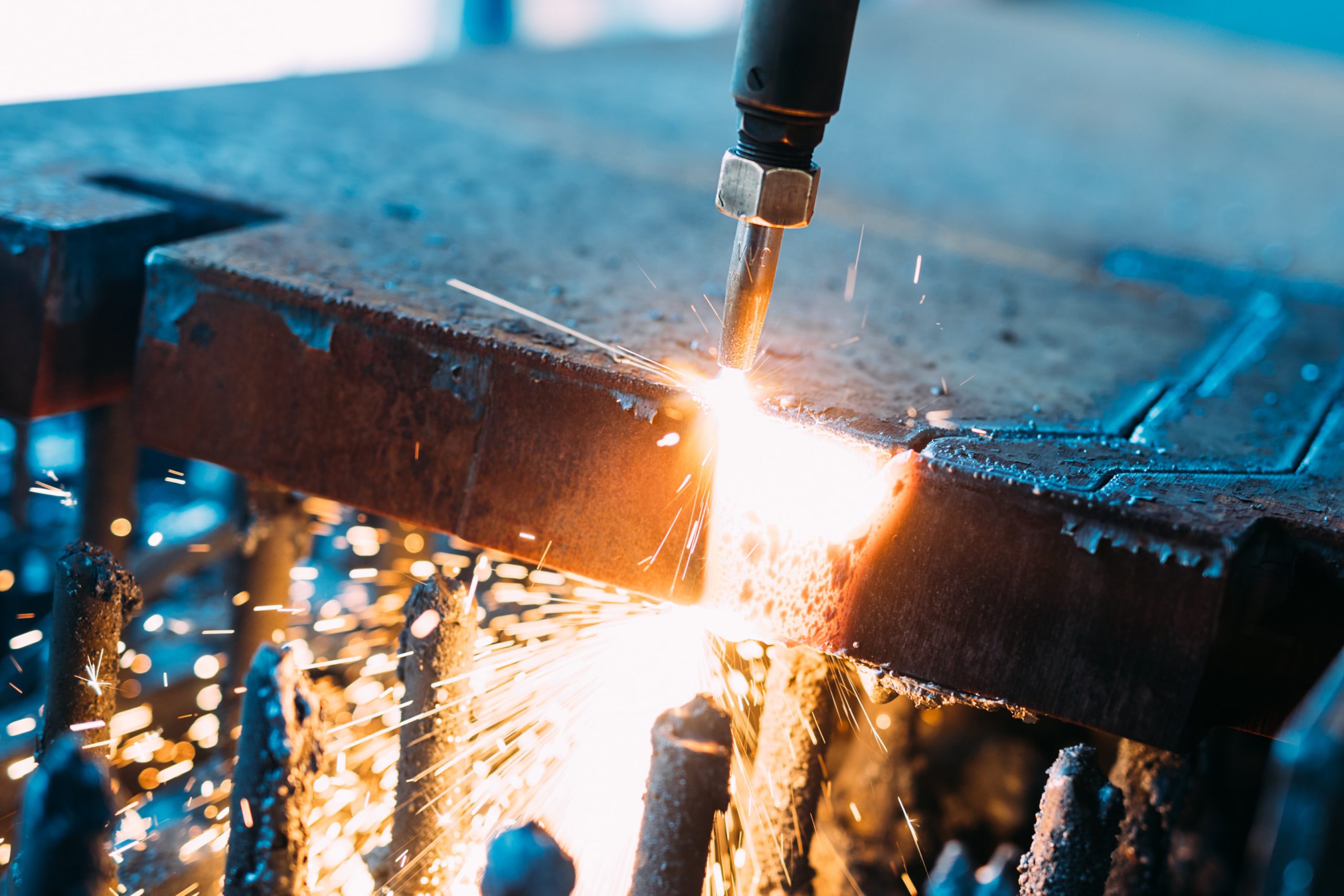
The advantages of plasma cutting systems are numerous:
- Modern plasma cutters can regulate the current output, enhancing cutting precision.
- They allow for finer and higher-quality cuts compared to conventional systems.
- This precision makes plasma cutting ideal for detailed metal fabrication projects.
Plasma cutting offers several advantages:
- Significantly improves productivity and reduces the time required for metal fabrication.
- Quicker and more cost-effective for plates starting from 15 mm.
- Generally, it is more affordable to install compared to other methods like laser cutting.
- Lower operating and equipment costs make it a cost-effective option for fabricating materials like aluminium.
Additionally, plasma cutting offers:
- Higher productivity
- Versatility
- Precision
- Surface quality
These benefits make it a preferred method in various industries. The ability to produce high-quality cuts quickly and affordably is a significant advantage that makes plasma cutting systems indispensable in modern manufacturing and supports mass production.
Disadvantages and Challenges
While plasma cutting systems offer numerous benefits, they are not without their drawbacks. One of the main challenges is the generation of minimal waste, which, although economically sensible, still requires proper disposal and handling.
Safety concerns are also significant when using plasma cutters. The high-temperature plasma and exposure to harmful gases present risks that must be carefully managed to ensure the safety of operators. Proper training and safety measures are essential to mitigate these risks and ensure a safe working environment.
Comparing Plasma Cutting to Other Methods
When compared to other cutting methods, plasma cutting stands out for:
- Its efficiency and speed
- Significantly lowering production costs due to high efficiency and speed, making it cost-effective for many applications.
- Reaching temperatures ten times higher than those in oxyacetylene cutting, allowing for faster cutting speeds
However, when it comes to cutting thinner materials, plasma cutting may not achieve the same precision tolerances as laser cutting. Laser cutting offers tighter tolerances and a smaller heat-affected zone, which can be crucial for specific applications.
On the other hand, plasma cutting is advantageous for operations involving reflective metals, which can be challenging for laser cutting. Despite its limitations, plasma cutting remains a versatile and efficient method, especially for thicker materials where laser cutting falls short. The choice between plasma cutting and other methods depends largely on the specific requirements of the project and the materials involved.
Applications of Plasma Cutting
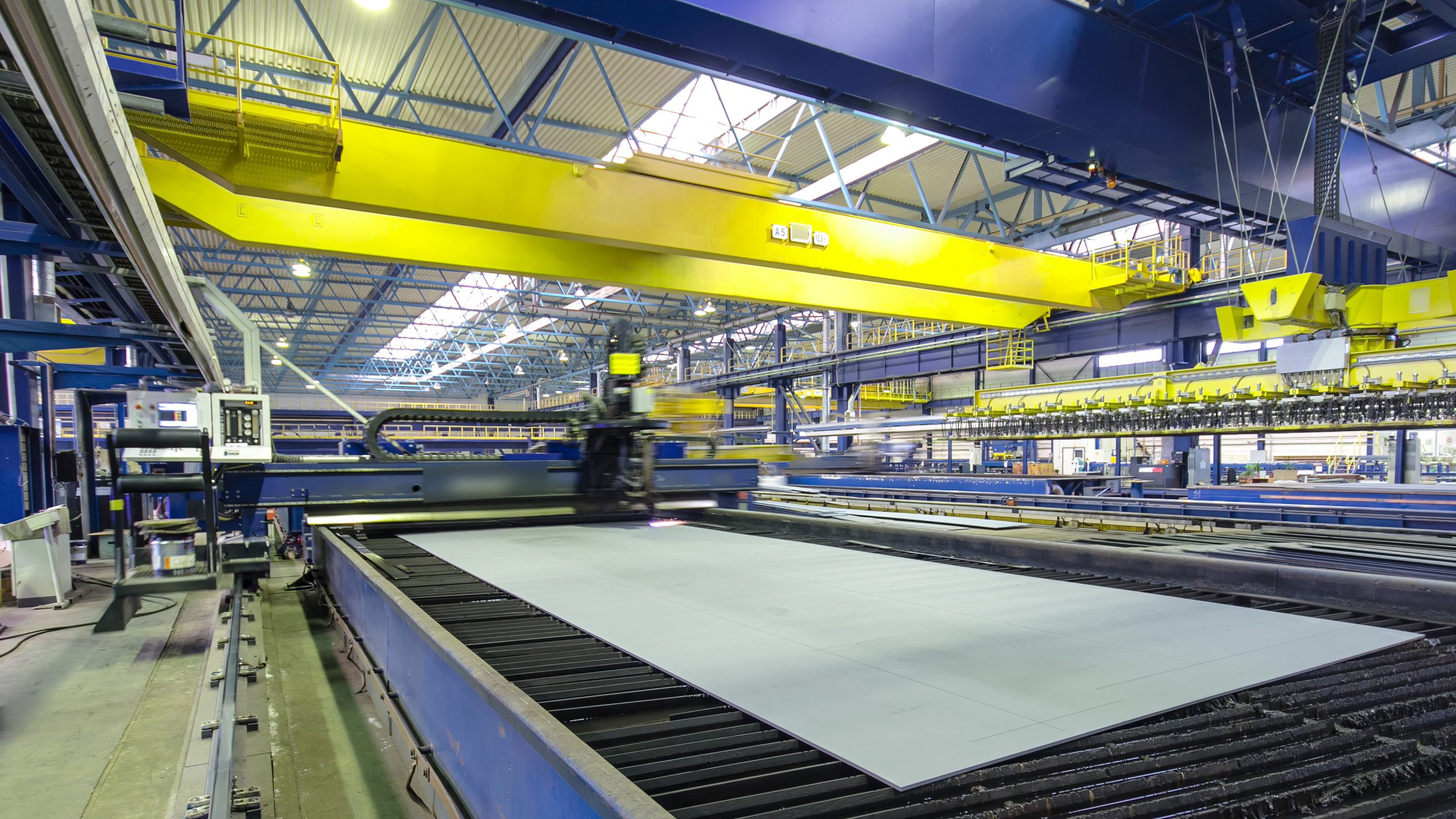
Plasma cutting is employed in a wide range of industries due to its versatility and efficiency. In the automotive industry, it is used for customising and creating chassis and frames. Construction companies rely on plasma cutters to fabricate huge beams and metal-sheet goods, essential for building infrastructure.
The furniture industry also benefits from plasma cutting, using it to shape metal components for modern furniture designs. Artists find plasma cutting invaluable for creating intricate two-dimensional designs from metal sheets. The ability to cut reflective metals with ease makes plasma cutting a preferred method in industries that deal with such materials.
Plasma cutting is used for:
- Shaping metal components for modern furniture designs
- Creating intricate two-dimensional designs from metal sheets by artists
- Cutting reflective metals with ease in various industries
The plasma cutting machine market is projected to grow significantly, indicating a trend towards increased efficiency and precision in cutting technologies. This growth underscores the importance of plasma cutting in modern manufacturing and its wide range of applications.
Recent Innovations in Plasma Cutting Technology
Recent innovations in plasma cutting technology have significantly enhanced its efficiency and precision. The introduction of high-definition plasma cutters in the 1990s marked a significant improvement in energy density, durability, and precision. These advancements have made plasma cutting more accessible and effective for various applications.
Modern plasma cutting technology features selectable pilot arc control modes, which optimise consumable life during cutting. Enhanced automation in plasma cutting leads to consistent and repeatable cutting results, thus improving overall efficiency.
The continued evolution of plasma cutting technology demonstrates an ongoing commitment to improving cutting speed, precision, and energy efficiency.
Summary
In summary, plasma cutting systems have revolutionised the metal fabrication industry with their speed, precision, and versatility. By understanding the science behind plasma and the core components of a plasma cutting system, we can appreciate how these systems operate and why they are so effective. From the power supply to the plasma torch and the various gases used, each component plays a critical role in the plasma cutting process.
As we’ve explored, plasma cutting offers numerous advantages, including higher productivity, cost-effectiveness, and the ability to cut a variety of materials. Despite some challenges, such as safety concerns and waste management, the benefits far outweigh the drawbacks. With ongoing innovations and a growing market, plasma cutting technology continues to advance, promising even greater efficiency and precision in the future.
Frequently Asked Questions
What materials can be cut using a plasma cutter?
Plasma cutters can efficiently cut various electrically conductive metals, such as mild steel, stainless steel, aluminium, brass, and copper. This versatility makes them valuable for a range of industrial and fabrication applications.
How does the power supply in a plasma cutting system work?
The power supply in a plasma cutting system converts AC voltage to a stable DC voltage, ensuring a consistent and effective plasma arc for optimal cutting performance. This conversion is vital for maintaining precision in the cutting process.
What are the safety concerns associated with plasma cutting?
Safety concerns associated with plasma cutting include the risk of burns from high-temperature plasma and exposure to harmful gases, which underscores the need for proper training and adequate safety precautions.
How do plasma cutters compare to other cutting methods, like laser cutting?
Plasma cutters are more efficient and cost-effective for cutting thicker materials, whereas laser cutting excels in providing tighter precision for thinner materials. Thus, the choice between the two depends on the specific requirements of the cutting task.
What recent innovations have been made in plasma cutting technology?
Recent innovations in plasma cutting technology feature high-definition plasma cutters, selectable pilot arc control modes, and improved automation, ensuring consistent and repeatable cutting results. These advancements significantly enhance efficiency and precision in various applications.